Where to stay in Dubrovnik comes down to a single fork in the road: sleeping inside the medieval walls, where atmosphere is unbeatable but prices run high, or basing yourself along the Riviera, where beaches and value are easier to find but the Old Town requires a bus or taxi ride. Pick the wrong base and it can color the whole trip, from your morning routine to your evening budget.
This guide walks through the trade-offs step by step. We compare the Old Town with the Riviera areas of Lapad and Babin Kuk, look at when to book for the best rates and availability, show how to spot the right room for your budget, and match each option to different travel styles. By the end, you should know exactly which base fits your trip length, your budget and whether beaches or sightseeing come first.
Why the Choice Between Old Town and Riviera Matters
Dubrovnik’s two main accommodation zones offer genuinely different experiences, and understanding the trade-off is the first step to a well-planned trip. Inside the walls, you get atmosphere that few European cities can match: limestone lanes, evening buzz and every major sight within a few minutes’ walk. The price is premium summer rates, plenty of stairs in historic buildings, and heavy day-trip crowds when cruise ships dock.
Head out to the Riviera and the picture changes. Areas like Lapad and Babin Kuk offer beaches, more space, easier parking and noticeably lower rates. The trade-off is distance: you will typically ride a local bus or taxi into the Old Town for sightseeing, which adds a little planning to every outing.
What should decide your base?
Three factors matter most. Trip length comes first, because a short sightseeing break rewards an Old Town base while a longer stay benefits from Riviera space and value. Budget matters too, since the price gap between the two areas can be significant in summer. Finally, think about priorities: if beaches and relaxation lead your list, the Riviera wins; if sightseeing, dining and atmosphere do, the Old Town is hard to beat.
Staying Inside Dubrovnik Old Town
Staying inside the Old Town means waking up before the cruise crowds arrive and having the city almost to yourself for an hour or two. The walls, the Stradun and the cable car to Mount Srd, which departs just outside the walls, are all within a few minutes’ walk of most rooms. Evenings are just as rewarding, when day-trippers leave and restaurants and bars fill with a more local rhythm.
The practical reality is that most accommodation here consists of small rooms in converted stone houses. Expect roughly 150 to 400+ EUR per night in summer, and check the fine print carefully: many buildings are historic, which often means steep stairs and no lifts. If you travel with heavy luggage, ask about access before booking.
Who is the Old Town really for?
This base works best for short stays of one to three nights focused on sightseeing, evening dining and atmosphere rather than space. If you plan to spend your days exploring and your nights out, the premium pays for itself in convenience. Travelers who value bigger rooms and beaches will likely be happier elsewhere, a trade-off similar to choosing between staying inside or just outside other historic European centers, as we explain in our guide to hotels near Prague Old Town.
Riviera Areas: Lapad, Babin Kuk and Beyond
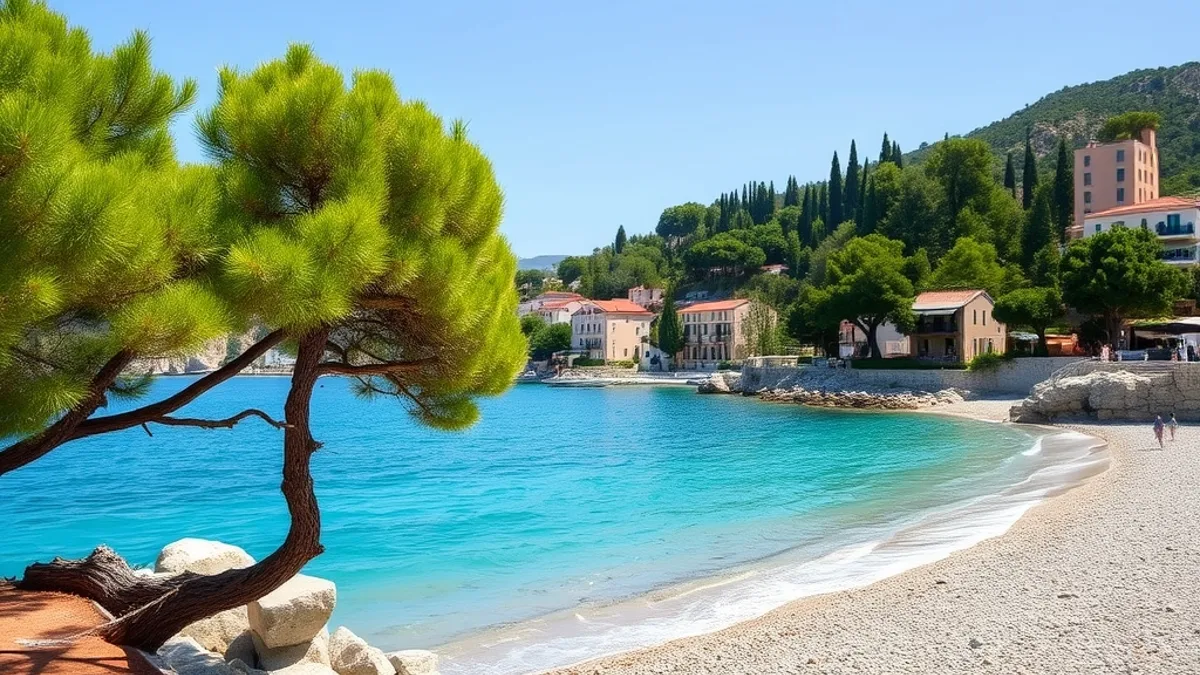
The Riviera stretches along the coast northwest of the Old Town, and it changes the math for most travelers. Lapad centers on a pedestrian promenade lined with cafes and shaded trees, backed by a string of pebble beaches where you can rent loungers for the day. Rooms here typically run around 90 to 200 EUR per night in summer, which leaves real room in the budget for dinners out or extra nights. Babin Kuk sits a little further out and suits beach-focused stays, with larger resort-style hotels, pools and green spaces, plus much easier parking if you rent a car for day trips along the coast.
Distance is the obvious concern, but it is more manageable than many first-time visitors expect. Lapad and Babin Kuk sit roughly 4-6 km from the Old Town, about 15-20 minutes by local bus or taxi. The route runs along the coast, so even your commute comes with views of the Adriatic and the city walls in the distance. That makes the Riviera workable even for a sightseeing-focused trip, as long as you plan around bus times rather than expecting to stroll out of your hotel and into the Old Town. Many travelers actually come to like the rhythm: sightseeing in the morning, then a swim and a quiet evening back on the Riviera.
- Check the bus frequency for your dates: local buses connect the Riviera to the Old Town regularly in summer, but timetables thin out in the off-season, so confirm the schedule for your travel dates before you book.
- Look at beach type, not just distance: most Riviera beaches are pebble rather than sand, so pack water shoes if you are traveling with children or simply prefer softer footing underfoot.
- Ask about sea views versus garden views: many Riviera hotels and guesthouses price rooms differently depending on the outlook, so a garden-facing room can stretch your budget further or fund an extra night.
- Consider evening options near your hotel: Lapad’s promenade restaurants and cafes mean you can enjoy a full evening out without riding back into town after dinner, which families and couples both tend to appreciate.
When to Book: Seasons and Lead Times
Dubrovnik’s calendar has a huge effect on where you should stay and what you’ll pay. Peak season runs from mid-June to late August, and this is when Old Town crowds and prices hit their highest levels. If your heart is set on July or August, book your accommodation 3-6 months ahead. Last-minute bargains in high summer are rare, especially inside the walls where room numbers are limited by the size of the historic buildings.
Timing also changes the math between the two areas. In peak summer, the price gap between the Old Town and the Riviera is at its widest, which pushes many travelers toward Lapad or Babin Kuk even when they’d prefer to sleep among the stone lanes.
The shoulder-season sweet spot
The shoulder months of May, early June, September and October offer milder weather, lower rates and much easier availability. The sea is still warm enough for swimming in these months, and the cruise-ship crush feels far less intense. This is when staying inside the Old Town becomes genuinely affordable, and the price difference versus the Riviera narrows to the point where atmosphere often wins.
If your dates are flexible, try shifting a July trip to early June or a late-August trip into September. You keep long daylight hours and beach weather while cutting both your nightly rate and the competition for the best rooms.
How to Spot the Best Room for Your Budget
Once you’ve picked an area, the difference between a great stay and a frustrating one often comes down to the details of the room itself. Dubrovnik’s accommodation stock is unusual compared to most European cities: centuries-old stone houses in the Old Town, and everything from family-run guesthouses to large resort hotels spread along the Riviera. Each type hides different pitfalls, from staircases to sound levels, so it pays to check a few practical things before you commit to a booking.
Start by reading recent reviews rather than relying on overall scores. A property can look perfect in photos while hiding a steep staircase, a thin wall or a bus stop that’s a fifteen-minute walk away. Recent guest feedback reveals these issues far more reliably than star ratings, which often reflect facilities like pools or breakfast rooms rather than the actual experience of sleeping there. Pay attention to how the owner or host responds to complaints, too, since that tells you how problems will be handled during your stay.
- Ask about luggage access in the Old Town: many houses are historic conversions with multiple flights of stairs and no lift, and some sit on alleys where taxis and shuttles can’t drop you at the door. If you’re traveling with heavy bags or limited mobility, message the host before booking and ask exactly how many steps you’ll face.
- Confirm air conditioning, not just “cooling”: stone buildings stay pleasant in spring but can hold heat through August nights. Check that the specific room type you’re booking has proper air conditioning, since some budget listings only offer fans or shared units.
- On the Riviera, map the bus route and beach walk: rather than headline star ratings, check how far the property sits from the nearest bus stop into town and from the closest beach. A cheaper room ten minutes further from both can cost you daily time and taxi fares.
- Filter reviews for the word “noise”: Old Town bars and late-night walkers can disturb light sleepers, and Riviera pool areas and evening entertainment at larger hotels can be just as loud. Look for comments from guests who stayed in the same season as your trip.
Matching Your Base to Your Travel Style
The right base depends less on which area is objectively better and more on how you travel. Two people can visit Dubrovnik in the same month, book similar budgets, and come home with opposite verdicts simply because one wanted candlelit evenings inside the walls and the other wanted mornings on a beach with the kids in tow. Neither is wrong; they just need different rooms in different neighborhoods.
Be honest about your trip length, too. A long stay changes the equation, because the savings from Riviera rates compound night after night, and the bus ride into town stops feeling like a chore once you settle into a routine. The same logic applies to beach destinations elsewhere; if you’re weighing city-center charm against seaside value, it’s worth reading how the trade-off plays out in Portugal beach hotels for summer holidays.
Your travel style matters just as much as your budget. Think honestly about how you spend a typical vacation day: do you linger over breakfast and head out late, or are you up at dawn chasing the sights before the heat and the tour groups arrive? The answers point clearly to one area or the other.
- Couples chasing atmosphere: if your ideal evening is dinner on a terrace, a stroll along the Stradun and a nightcap with views over the rooftops, prioritize the Old Town despite the premium. You’re paying for location and mood, not square meters, and for a short romantic break that trade usually pays off.
- Families and beach lovers: Lapad and Babin Kuk give you space to spread out, pebble beaches within walking distance, and rates that leave room in the budget for boat trips and meals out. Kids also tend to prefer easy beach access over sightseeing marathons.
- Longer stays of 4+ nights: the Riviera usually works best, with the Old Town saved for one or two full day visits. You’ll sleep better, eat more affordably, and arrive at the walls each morning rested rather than worn out by the crowds and stairs.
Wrapping Up Your Dubrovnik Base Decision
So, which base wins? If your trip is short and built around sightseeing, evening dining and soaking up atmosphere, the Old Town is hard to beat, despite summer rates that typically run from about 150 to 400+ EUR per night. If you want beaches, more space and lower prices, the Riviera areas of Lapad and Babin Kuk deliver, with the trade-off of a short bus or taxi ride into the walls.
Season and booking lead time shape the decision too. July and August stays reward early planning, while the shoulder months can narrow the price gap enough to make the Old Town genuinely affordable. Match your base to your travel style and trip length, and either choice can anchor a great Dubrovnik stay. If this helped you decide, leave a comment or share the article with a fellow traveler.