Rome is enormous, and each neighborhood delivers a completely different mix of sightseeing access and dining. Pick the wrong base and you can burn hours of a short trip on buses and metro rides instead of standing in front of the Pantheon or lingering over dinner. That is why deciding where to stay in Rome deserves more thought than most travelers give it.
This guide breaks the city down by travel style. We start with how to match an area to your trip, then look at Centro Storico for landmark hunters, Trastevere and Monti for food lovers, and the Termini area for budget-conscious visitors. We also cover when to visit and how far ahead to book, then finish with a quick recap to help you choose your neighborhood with confidence.
Where to Stay in Rome: Matching the Area to Your Trip
Rome rewards travelers who think about their priorities before they book. If this is your first visit and you want to chase the big landmarks, prioritize walkability above everything else. The Pantheon, Trevi Fountain and Piazza Navona sit close together in the historic center, and a hotel within easy walking distance of them lets you see far more in a day without ever checking a transit map.
If your trip revolves around eating, the calculus changes. Food-focused travelers usually get more atmosphere and better value in residential districts like Trastevere and Monti, where neighborhood trattorie and wine bars cater to locals as much as visitors. You trade a bit of distance to the monuments for livelier streets and a more authentic evening scene.
Match the area to the length of your stay
Trip length matters too. Short stays of 2-3 nights favor central areas, because every hour spent commuting is an hour lost from sightseeing. On longer trips you can trade location for space and price, choosing a quieter district with bigger rooms and spending the savings on good meals.
Centro Storico and the Pantheon Area for Sightseeing
Centro Storico, the historic center wrapped around the Pantheon, is the strongest choice for sightseeing on foot. Most major sights cluster within a 2-3 km radius of the historic center, so from a base here you can walk to the Trevi Fountain, Piazza Navona and the Spanish Steps without ever relying on public transport. Even the Vatican and the Colosseum are reachable on foot if you do not mind a longer stroll.
What to expect on price and availability
Convenience comes at a cost. Centro Storico hotel rooms typically range from about €120 to €300 per night in high season, and rates climb toward the top of that range the closer you get to the Pantheon itself. Check what a specific rate includes, since older buildings in this zone vary widely in room size and amenities.
Availability is the other challenge. For stays during April-June and September-October, book 2-4 months ahead, especially if you want a room in this zone at a reasonable price. The most charming small hotels near the Pantheon tend to fill first, so early booking gives you real choice rather than whatever is left.
Trastevere and Monti for Food-Lovers
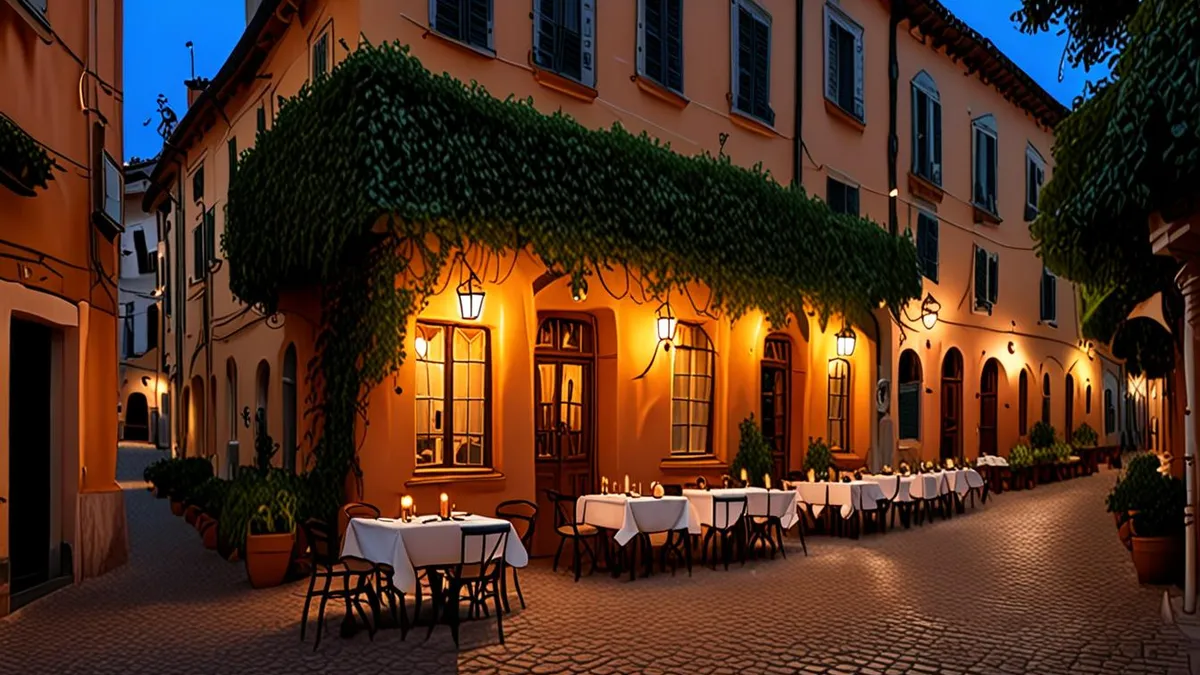
If food drives your trip more than monuments, Trastevere and Monti are the two districts to study. Trastevere sits across the river from the historic center, and its cobbled lanes fill with trattorie and wine bars once the evening arrives. The trade-off is distance: Trastevere is roughly a 20-30 minute walk from the Colosseum, so plan your sightseeing around the crossing rather than expecting to pop back and forth.
Monti: close to the ruins, bohemian in spirit
Monti works better if you want to stay near the ancient sites. This bohemian quarter mixes cafes, vintage shops and osterie, and it sits about a 10-15 minute walk from the Colosseum and Roman Forum. You get easy morning access to the ruins and a genuinely local-feeling neighborhood for dinner.
Both districts suit travelers who accept a longer walk to major monuments in exchange for livelier evenings. If your days are spent at the ruins and your nights matter just as much, this trade is usually worth it, and room rates tend to be friendlier than in the Pantheon area.
Termini and Budget-Friendly Alternatives
Rome does not have to be expensive if you are willing to trade postcard views for practicality. The blocks around Termini station, the city’s main railway hub, are the most reliable budget zone, and rooms here often cost 30-50% less than comparable hotels near the Pantheon. That difference adds up quickly over a three- or four-night stay.
The surroundings are plainer, no question about it. You will find fewer romantic piazzas and more traffic, and the architecture is mostly nineteenth-century apartment blocks rather than Renaissance palaces. What you get in exchange is arguably the best transport hub in the city: two metro lines converge at Termini, and dozens of bus routes fan out from the square in front of the station. Most of the historic center is a short metro or bus ride away, and the Colosseum is close enough to reach on foot if you feel like walking.
Who Termini Suits Best
This area is the natural choice for three kinds of travelers. First, anyone on a short stopover who arrives by train and wants to walk out of the station straight to their bed. Second, guests with an early morning departure, since being steps from the platforms removes all the stress of a pre-dawn taxi ride. Third, and most obviously, travelers watching their budget who would rather spend the savings on dinners and museum tickets than on a fancier address. If your days are packed with sightseeing and you only need a clean, well-connected room to sleep in, Termini makes a lot of sense.
When to Visit Rome and How to Book
Timing shapes both what you pay and how much you enjoy Rome, so it deserves as much thought as the neighborhood itself. The same hotel room can swing dramatically in price depending on the month, and the crowds around the Trevi Fountain follow a similar pattern. The good news is that a few simple booking habits protect you from the worst of it, and the same logic applies whether you are planning Rome or picking a base for a trip covered in our guide to choosing the right hotel area in a European old town.
Start by identifying your travel window. Peak season runs from April to June and again from September to October, when the weather is at its best and so are the crowds. If your dates fall in these months, expect the highest room rates of the year and plan accordingly. If your schedule is flexible, consider the shoulder months instead: March and November offer noticeably lower prices and thinner crowds, and the city feels more local. Shifting your trip by a few weeks can change both your budget and your experience.
Next, think about how far ahead to reserve. High-season stays, especially in the most central locations near the Pantheon, fill up earliest, so move faster if you have set your heart on that zone. Rates and availability shift constantly, so compare a couple of options and check cancellation terms before committing, favoring bookings you can adjust if plans change.
Once your dates are set, the rest becomes straightforward: pick the neighborhood that matches your priorities, lock in a rate you are comfortable with, and turn your attention to planning your days. Rome rewards travelers who combine good timing with a sensible base, and a little advance work on both fronts pays off from the moment you drop your bags.
Choosing Your Rome Neighborhood: Quick Recap
Rome rewards travelers who think about their base before they book. Each neighborhood has its own personality, and the wrong choice can quietly eat up hours of a short trip with unnecessary commutes. The fix is simple: match the area to what your trip is actually about, then commit.
As a quick recap, choose Centro Storico if you want maximum sightseeing on foot and are happy to pay premium prices for it. Pick Trastevere or Monti if food and evening atmosphere matter more, and you accept a longer walk to the major monuments. Opt for Termini if savings and transport links are your priority. And whenever your dates are flexible, aim for March or November to cut costs and dodge the thickest crowds. If this helped you plan your stay, leave a comment or share the article with a fellow traveler.