Where to stay in Tenerife is a bigger decision than most travelers expect. The island is large and varied enough that picking the wrong area or month can turn a villa holiday into a long drive to everything you actually came for. A hillside finca with ocean views might mean 30 minutes in the car every time the kids want the beach, while a south-coast villa in the wrong month can cost far more than the same trip deserves.
This guide breaks the island down by area and by season. We compare the south-coast resorts, the greener north, and the quieter rural and southwest corners, then match each one to different trip types, from family beach weeks to hiking breaks and stargazing escapes. We also cover when to book, what the seasons do to villa prices, and how far you’ll realistically drive from each base, so you can choose an area that fits your days rather than fights them.
Where to Stay in Tenerife: South Coast Villa Areas
The south coast is where most villa holidays in Tenerife happen, and for good reason. Costa Adeje, Los Cristianos and Playa de las Américas sit along a string of sheltered beaches with calm swimming conditions, promenades, and restaurants and shops within easy walking distance of most villa complexes. The area enjoys around 300 days of sunshine a year, which makes it the safest bet for travelers who want beach weather to be a given rather than a hope.
What the villas are like
Villas here tend to be modern and pool-focused, often built as part of gated communities with shared or private pools, terraces and sea views. That layout suits families and groups who don’t want to drive every day: supermarkets, beaches, playgrounds and evening dining are typically a short walk away, so the car can stay parked from arrival to departure.
What to expect on price
This is the island’s most in-demand region, so expect the highest demand and prices, especially for sea-view properties facing the sunset over La Gomera. Book well ahead for summer and holiday weeks, and compare hillside streets just above the front line, which often offer the same views with a bit more space and quiet for less money.
North Tenerife: Greener Villa Areas With a Local Feel
Cross to the other side of the island and the character changes completely. Puerto de la Cruz and the Orotava Valley offer black-sand beaches, historic towns and a lush, subtropical landscape fed by trade-wind moisture. Banana plantations climb the valley walls, the old town streets around Puerto de la Cruz are among the most atmospheric on the island, and everything is noticeably greener than the desert-like south.
The weather trade-off
The north is typically 5-8°C cooler and cloudier than the south, and that’s exactly the point: it suits travelers prioritizing scenery and culture over guaranteed beach weather. You can swim at beaches like Playa Jardín, but the sea is rougher and sunbathing days are less certain. If your ideal holiday mixes market towns, gardens and good food with a few swims, the north will feel like a bargain in every sense.
Inside a northern villa
Accommodation here leans toward traditional Canarian houses with gardens rather than resort-style pools. Think thick stone walls, wooden balconies, courtyard patios and grounds with fruit trees and views over the valley. Many sit in or near the Orotava Valley, where the surrounding greenery becomes part of the experience rather than a backdrop. These properties suit couples and culture-focused travelers far better than families who need a pool and a walk to the beach every day, and they often cost noticeably less than equivalent south-coast properties. If you’re torn between the two coasts, ask yourself honestly how many hours a day you plan to spend by the water: the answer usually makes the choice for you.
Quieter Alternatives: Rural and Southwest Villa Areas
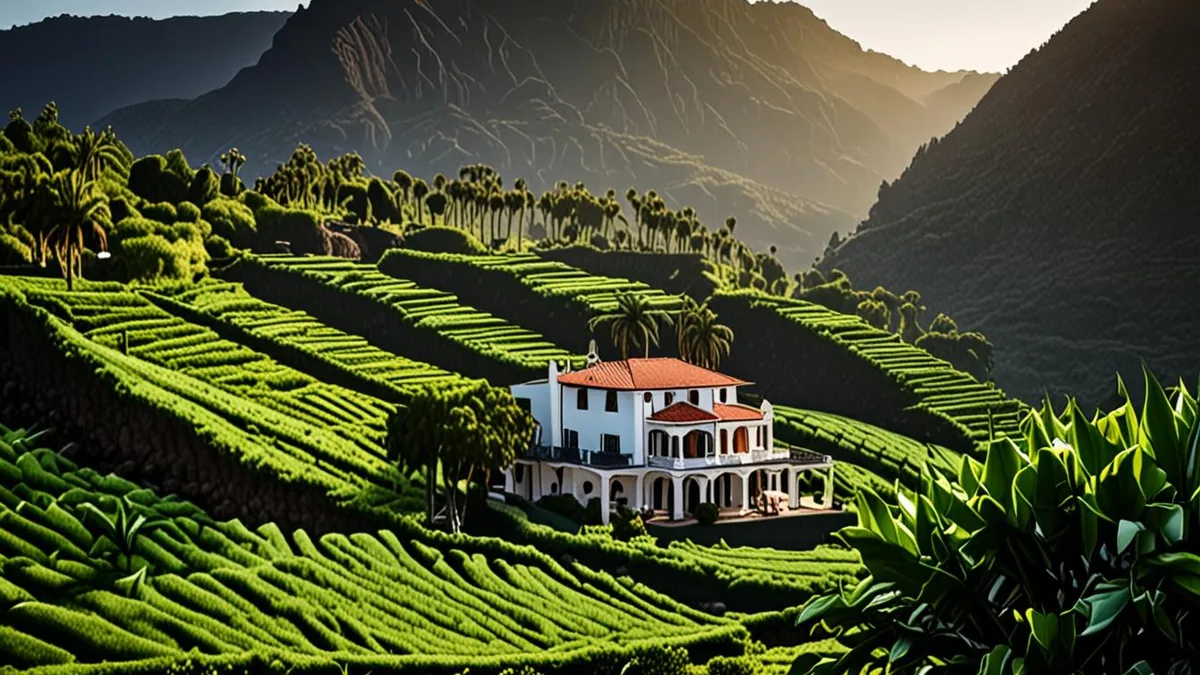
Inland from the resorts and toward the island’s southwest corner, Tenerife becomes quiet, steep and dramatic. The Adeje countryside, Guía de Isora and the Santiago del Teide area give mountain and ocean views with far fewer crowds, and villa options here often come with genuine privacy: walled finca plots, terraced gardens and terraces where the only sound is the wind. Meanwhile, rural fincas near La Laguna and the Anaga mountains suit walkers and travelers wanting a base for hiking rather than beach days, with cloud forest trails and historic villages close by. These areas also put you closer to working banana plantations, small family-run wineries and village festivals, giving a very different feel from the purpose-built resort strips.
The trade-off is simple: these areas require a rental car, and you should expect 20-40 minute drives to beaches and larger towns. Before committing to a rural villa, think through the practical realities:
- Roads in the southwest and Anaga are winding and slow, so check real drive times on a map app rather than trusting straight-line distances.
- Rural supermarkets and restaurants can close earlier and open fewer days than resort-area businesses, so plan shopping trips.
- Hillside and finca properties often have unpaved access tracks and steep driveways, which matters if you’re hiring a small car.
- Nights away from town lights are darker and cooler, which is a plus for stargazing from your own terrace but means packing layers even in summer.
For travelers happy to drive, these areas deliver the island’s best views at some of its lowest villa prices. Ask owners about exact access, parking and distances before booking, since photos rarely show how steep or remote a plot really is.
Choosing an Area by Trip Type
The simplest way to narrow your villa search is to begin with the kind of holiday you want, not with a place name. Tenerife is compact enough that you can see plenty from almost any base, but the day-to-day feel of staying in Costa Adeje is completely different from staying in a finca near Anaga. Choose the area first, and your villa shortlist almost builds itself.
As a broad rule of thumb: beach-and-amenities holidays point you toward the south coast, while trips focused on scenery, food and culture work well from a base in the island’s greener northern towns. Hikers and stargazers are usually happiest in the rural southwest or the Anaga mountains. Couples and families then need to refine that choice a little further.
- Couples seeking privacy: hillside villas above Costa Adeje give you ocean views and separation from the resort strip, while countryside fincas offer walled gardens and avocado groves where you may not see a neighbor at all.
- Families with young children: walkable south-coast areas mean you can reach a beach, a pharmacy and a supermarket without strapping anyone into a car seat, which makes naps and early dinners far easier.
- Mixed groups: if your party splits between beach days and walking days, a villa in the Adeje countryside keeps both options within a short drive, though you will need at least one rental car.
If you are traveling with kids and want more ideas on family-friendly villa stays, this guide to Portugal villas for family holidays covers similar ground on a neighboring Atlantic island group.
When to Book: Tenerife’s Seasons and Prices
Tenerife’s villa market follows a clear seasonal rhythm, and timing your booking well can save you a meaningful amount of money. High season runs from mid-June to early September, plus the Christmas and Easter weeks, when villa rates typically run 40-60% above shoulder-season prices. Sea-view properties in Costa Adeje and Los Cristianas see the sharpest increases, so those are the ones to lock in early.
The value months
April-May and October-November are the sweet spot. The sea is warm from months of sun, the crowds thin out noticeably, and villa rates drop to their most reasonable levels of the year. The weather is generally pleasant rather than scorching, which many travelers actually prefer for sightseeing and hiking. If your dates are flexible, shifting a trip by a few weeks into a shoulder month is the single easiest way to get a better villa for the same budget.
How far ahead to book
For peak-season stays, reserve 4-6 months ahead, especially if you want a specific feature like a heated pool or an uninterrupted sea view. In the shoulder months, 2-3 months is usually enough, though large groups traveling in school holidays should treat those dates as peak and book accordingly. Check current rates with villa platforms and owners directly, as pricing varies by property.
Getting Around From Your Villa Base
Where you stay shapes how much time you spend driving. The south-coast resorts are built for walking: from a villa in Costa Adeje or Los Cristianos, you can typically reach beaches, restaurants, supermarkets and pharmacies on foot, so a car becomes optional rather than essential. That can make a real difference to your budget, since you may only need the hire car for a couple of day trips instead of the whole week. Everywhere else on the island, a hire car is genuinely necessary for a villa stay, so factor rental costs and parking into your planning from the start.
That matters most for day trips. Tenerife looks compact on a map, but mountain roads slow everything down, and a “quick visit” to the capital can easily eat most of a day. Plan longer excursions deliberately rather than deciding on a whim after lunch, and check opening times for anything you want to see along the way.
- Teide National Park: allow roughly 1-1.5 hours’ drive from most southern villa areas; going up for sunrise means empty roads and clear light, while evening visits are prized for stargazing, so check sunset times before you set out.
- Santa Cruz and the northeast coast: figure on about 1-1.5 hours from Costa Adeje each way, so treat these as planned day trips with a rough itinerary, not casual drop-ins.
- Parking: in the south-coast resorts you may not need the car for days at a time, so look for villas with private parking and check whether nearby beaches have paid lots in busy periods.
If you would rather not drive at all, stay within the south-coast resorts and book organized excursions to Teide and Santa Cruz. It costs more than self-driving, but it removes the mountain-road stress entirely and lets everyone in the group relax and enjoy the scenery.
Wrapping Up Your Tenerife Villa Choice
Tenerife is big and varied enough that the wrong base really can turn a villa holiday into a long drive to everything you wanted. The fix is simple: match the area to your trip type first. Beach-and-amenities stays belong on the south coast, scenery and culture on the north, and hiking or quiet escapes in the rural southwest or around Anaga.
Timing matters just as much. The shoulder months of April-May and October-November balance warm sea and good weather with lower rates than high season, when villa prices typically run 40-60% above shoulder-season levels. If you’re set on peak season, book 4-6 months ahead to secure the villa you actually want rather than settling for what’s left. Get the area and the month right, and the rest of the trip tends to fall into place. If this helped you plan, leave a comment or share the article with a fellow traveler.