Dreaming of saying your vows on a sun-washed terrace with your whole family staying under one roof? Many couples fall in love with the idea of a Portuguese villa wedding, then realize they have no idea how the logistics actually work. How many guests can sleep on site? When do you need to book? What happens with catering, music curfews and everyone else who isn’t staying at the villa?
This guide walks you through exactly what a villa wedding stay involves, from choosing the right region to timing your bookings and budgeting realistically. We’ll cover why a villa works so well for a multi-day celebration, the best areas of Portugal for wedding-capable properties, how far ahead to reserve, typical costs, guest logistics and overflow, and the practical details couples most often overlook. By the end, you’ll know whether a villa wedding stay fits your plans and how to start organizing one.
Why Choose a Villa Wedding Stay in Portugal
The biggest difference between a villa wedding and a venue wedding is simple: everything happens in one place. Instead of shuttling guests between a church, a hotel and a restaurant, a villa gives you a private, multi-day base where the ceremony, the meals and the guest accommodation all sit within the same set of walls and gardens. Your grandmother doesn’t need a taxi at midnight, and your best friends can swim in the pool the morning after.
Portugal makes this format especially appealing. Summer weather is reliable, the Atlantic coastline gives you dramatic settings for photos, and costs generally run lower than comparable villa weddings in France or Italy. For the same budget, you often get more space, more privacy and a longer celebration.
More Than a Single Day
Perhaps the real magic is how a villa stretches your wedding over time. Rather than one intense day, you can plan a three to seven day celebration: a relaxed arrival evening, a welcome dinner, the wedding day itself, a poolside recovery day and a farewell brunch. Family members who live far apart finally get real time together, not just a few rushed hours at a reception. For many couples, that extended time with their favorite people becomes the part they remember most.
Best Regions for a Villa Wedding Stay
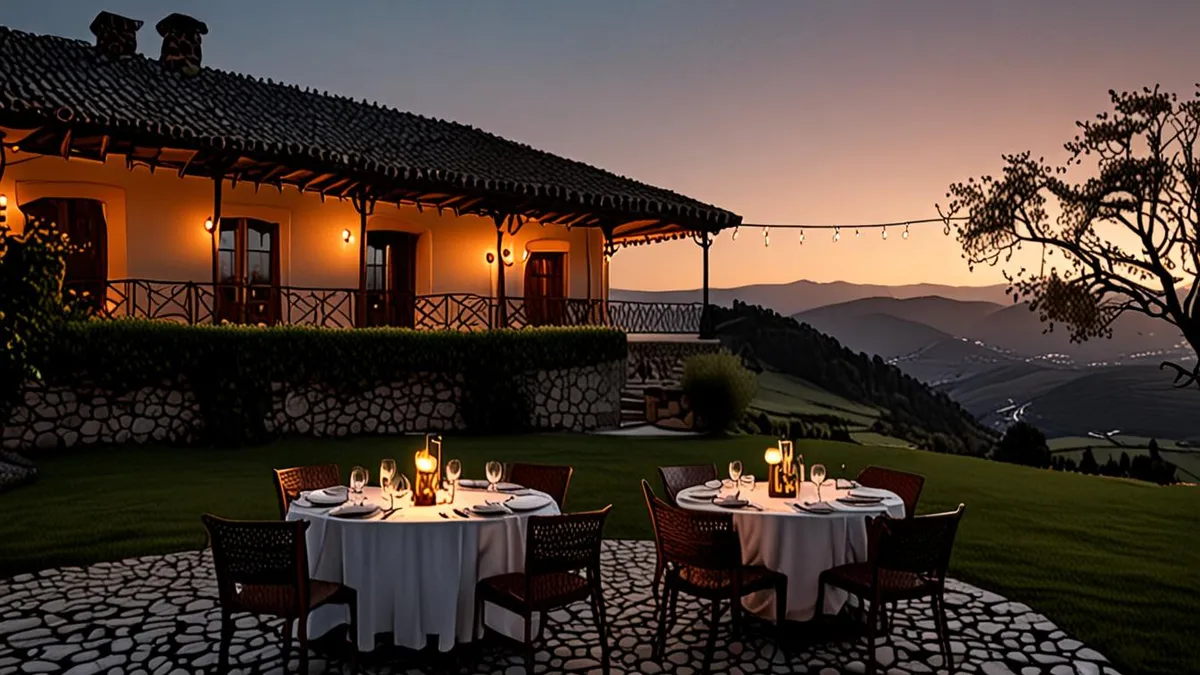
Portugal is compact, but the regions feel very different, and the right one depends on the kind of celebration you imagine. Beachfront terraces, terraced vineyards and whitewashed village backdrops each come with their own villa style, guest logistics and atmosphere. Before you fall in love with a property, decide which landscape you want behind your ceremony, because that choice shapes everything from catering style to how much time your guests spend in a car.
- The Algarve: Home to the widest selection of large coastal villas built for entertaining, with pools, covered terraces and space for marquees. Venues here also sit within roughly 30-60 minutes of Faro airport, which keeps guest arrivals simple even for those flying in from abroad. If you want maximum choice and proven wedding infrastructure, this is the region most couples settle on.
- The Douro Valley: Think terraced vineyards rising above the river rather than sand. Villas and quintas here suit couples who want wine-country dinners and dramatic valley views, though guests should expect more driving and fewer beach afternoons. Ports, cellar tours and long harvest-season table dinners make it memorable for smaller wedding parties.
- Sintra: Estate scenery just outside Lisbon, with palaces, forests and misty hills. It’s a strong pick if you want a romantic, slightly grand atmosphere and easy access to the capital for guests arriving on international flights. Keep in mind that narrow estate lanes can make guest transfers slower than they look on a map.
- Comporta and the Costa Vicentina: These Atlantic stretches attract smaller, barefoot-style celebrations — rice fields, dunes, rustic-chic design and a laid-back dress code. They suit intimate guest lists rather than big parties, and villa inventory is thinner, so options book up faster for peak-season dates.
A practical tip: match the region to your guest list as much as to your taste. A large party with many elderly relatives will appreciate the Algarve’s easy airport transfers and flat coastal villas, while a small group of close friends may happily trade convenience for the wilder feel of the Costa Vicentina. Also think about the season alongside the region: June and September are the most popular months for Portuguese weddings, so the most scenic properties in any area are the first to go.
When to Book and How Far Ahead
Wedding-capable villas are a small slice of the rental market, and the good ones in summer get booked early. Treating the reservation as a firm project with deadlines will save you stress later. Here’s a sensible order of operations.
- Shortlist and reserve the villa first. For May-September dates, plan to book 12-18 months ahead. Anything later and you’ll be choosing from leftovers rather than the properties you actually want. Put down the deposit as soon as your top choice is available, and get written confirmation that weddings are permitted under the rental terms.
- Read the minimum stay terms carefully. Many villas that host weddings require a minimum stay of 5-7 nights, so build your whole celebration timeline around that block rather than assuming you can rent for a weekend. That block often shapes when guests arrive and depart, so share it early.
- Lock in your key suppliers once the villa is secured. Most villa weddings rely on external caterers, florists and marquee suppliers, and the best teams are booked 6-12 months in advance. Ask the villa owner or manager for their trusted local contacts — teams that know the property work faster and handle quirks like limited kitchen space or tricky access roads.
One more habit worth adopting: keep a shared timeline document with every booking confirmation and payment deadline. Between the villa, the caterer and the marquee company, you’ll be juggling several contracts with different deposit schedules, and a single calendar prevents an expensive oversight. Check it monthly and set reminders a week before each payment is due. If a supplier you love is already booked for your date, ask them for recommendations — Portugal’s wedding supplier community is well connected, and a referral often gets you a quick, honest answer. It also helps to confirm arrival and setup windows with each supplier in writing, so delivery vans and setup crews don’t clash on the day itself.
What a Villa Wedding Stay Costs
The weekly villa bill
Large wedding-capable villas in Portugal typically rent for roughly €6,000-€25,000 per week in high season. Where your property falls in that range depends on size, location and how polished the facilities are. A straightforward Algarve villa sleeping 12-14 will sit near the lower end, while an estate with a pool, extensive grounds and staff quarters can push toward the top.
That weekly rate usually covers the accommodation only. Cleaning, a security deposit and sometimes an event fee come on top, so ask the owner for a full cost breakdown before you commit.
Catering and per-guest costs
Budget separately for food and drink, since most villa weddings use external caterers. Catering typically runs €80-€150 per guest per day, depending on whether you want casual buffet meals or a multi-course seated dinner with wine. Over a three-day stay, that line item can rival the villa itself, so decide early which meals the couple covers and which guests handle themselves.
The upside is the math when you divide the villa cost. Split a €12,000 week among 16 staying guests and you’re paying around €750 per person for a week’s accommodation — often less than a hotel block would cost for the same group, and with far more character. If you’re weighing villa costs against other destinations, our guide to Spain villa holidays covers similar pricing logic next door.
Guest Logistics: Rooms, Transfers and Overflow
Most wedding villas in Portugal sleep 12-20 guests, which covers your immediate family and wedding party comfortably. If your guest list is larger, the standard approach is booking nearby cottages, guesthouses or small hotels as overflow accommodation. Start this search as soon as your villa is secured, because summer beds in popular areas go quickly.
Getting people there is easier than you might expect. In the Algarve, villas are a short drive from Faro airport, so guests can land, pick up a rental car and be at the pool the same afternoon. Encourage guests to share cars or arrange a group transfer, since most large villas have limited parking and narrow country lanes.
Non-staying guests shouldn’t feel like second-class attendees. Plan a welcome dinner and a farewell brunch so everyone gets at least two events beyond the wedding day itself. A few extra touches that make logistics smoother:
- Print a mini itinerary with driving times from the airport, so overflow guests know exactly when to arrive for each event.
- Reserve a block of taxis or a minibus service for the wedding evening, since guests staying off-site shouldn’t need to drive after drinks.
- Set up a shared messaging group months ahead, which handles last-minute schedule changes and helps strangers from both families connect before the trip.
- Ask overflow properties about breakfast, as some small guesthouses only offer it on request, and you don’t want hungry guests wandering before the brunch.
Finally, build in a buffer day. If flights are delayed or a guest misses a connection, having the welcome dinner on day two rather than day one keeps the whole schedule forgiving.
Practical Details Couples Often Overlook
Villa weddings run on private property, which gives you freedom but also rules that hotels don’t have. The most important check happens before you book: confirm the villa allows events at all. Some rentals exclude weddings from their standard terms, and an owner who discovers your plans after arrival can cancel the stay with little recourse. Get written confirmation that weddings are permitted, along with any event fee.
Noise rules and music curfews
Residential villas often sit in quiet neighborhoods, and many Portuguese municipalities and villa owners enforce noise rules and amplified-music curfews. Ask the owner directly before booking what time music must end and whether DJs or live bands are allowed at all. If a strict curfew clashes with your vision of a late-night party, look for villas that are more isolated, or plan an after-party at a nearby bar that stays open later.
Seeing the space before the big week
Photos can be flattering and misleading. Aim to visit in person, or at minimum arrange a detailed video walkthrough, well before your suppliers need final layouts. Walk the route guests will take from the ceremony spot to the dining area, measure where the caterers will work, and check where the marquee or covered area could go if the weather turns. Portugal is sunny in summer, but a wet-weather plan is still essential, especially for spring and early autumn dates.
While you’re there, note the practical details: how many power outlets the catering area has, where generators could sit if the electrical supply is limited, and whether there’s decent lighting on paths guests will use after dark. These small observations save your suppliers from improvising on the day and spare you a stream of panicked questions in the final month.
One more tip: share your visit notes with your caterer and marquee supplier straight away, and ask them to flag anything that needs a second check. A short list of photos showing access gates, parking space and the kitchen area will answer most supplier questions before they become problems.
Wrapping Up Your Villa Wedding Stay Plan
A villa wedding stay in Portugal is simpler than it first looks: you rent one large private property, and the ceremony, meals and accommodation all happen under the same roof for several days. It works best in the Algarve, the Douro Valley or Comporta, with peak season running from May to September. Book the villa 12-18 months ahead for summer dates, budget roughly €6,000-€25,000 for the week, and you have a realistic plan.
The rest comes down to timing and communication. Confirm that the villa allows events, sort out overflow rooms for larger parties, and lock in caterers and suppliers 6-12 months out. Do that early, and the stay becomes a full multi-day celebration with your favorite people rather than a single day that flashes by. If you have questions or your own villa wedding tips, leave a comment or share this article.