Planning a trip to the Swiss Alps often comes down to one tricky decision: where to stay in the Swiss Alps. Purpose-built ski resorts promise doorstep skiing, restaurants on your doorstep and lively apres-ski, but they come with peak-season prices. Traditional alpine villages offer stone farmhouses, local bakeries and noticeably lower rates, yet they usually sit away from the lifts. For many travelers, it is the hardest call of the whole trip.
This guide breaks the choice down into the parts that actually matter. We explain what separates resorts from villages, look at where to base yourself for winter skiing and why villages win in summer, compare costs across seasons, cover trains and transfers, and finish with practical tips on how to choose and when to book. By the end, you should know exactly which base fits your trip, your budget and your travel style.
Ski Resorts vs Villages: What the Difference Really Means
The two options really are different products. Purpose-built resorts were designed around skiing: hotels and apartments sit at the base of the lifts, so you can click into your skis steps from your door. Restaurants, rental shops and apres-ski bars cluster within walking distance, and everything runs late into the evening during winter. Convenience is the whole point.
Traditional villages: charm at a slower pace
Traditional villages like Grimentz or Guarda offer something else entirely. Think old timber farmhouses, church bells, locals who live there year-round and prices well below resort levels. The trade-off is location: most villages sit outside the main lift systems, so you will typically rely on a bus, cable car or car to reach the slopes, often adding 20-45 minutes to each ski day.
The choice shapes your daily rhythm more than anything else. In a resort, your day starts with first lifts and ends with dinner a short walk from your bed. In a village, mornings are slower, evenings are quieter, and the experience feels more like living in the Alps than visiting a ski machine. Neither is better; they simply suit different trips, and the rest of this guide helps you work out which one suits yours.
Where to Stay in the Swiss Alps for Skiing
If skiing is the main event, base yourself where the lifts are. Resorts such as Zermatt, Verbier and St. Moritz offer lift access from early December to mid-April, with extensive lift networks, ski schools and rental shops all within walking distance of most accommodation. That proximity is exactly what you are paying for.
How much time ski-in lodging really saves
Ski-in lodging saves the daily transfers that a village base requires. That may not sound like much, but over a week it adds up to several extra hours on the mountain, plus far less hassle with boots, skis and children in tow. If you are planning a short trip of three or four days, that saved time matters even more. You step out of your room, clip into your skis and you are on your way, with no waiting for buses or shuttles in cold morning air.
Prices reflect the convenience. Expect CHF 200-450 per night in peak winter weeks like Christmas and February half-term, and book early for those dates. If Zermatt is on your shortlist, our guide to hotels in Zermatt near the Matterhorn covers the best options in detail. Remember that Zermatt is car-free, so you will arrive by train regardless of where you stay, which makes a lift-side base even more practical. Your hotel is often just a short walk from the station, so you can drop your bags and be on the slopes the same morning.
Why a Village Base Wins in Summer
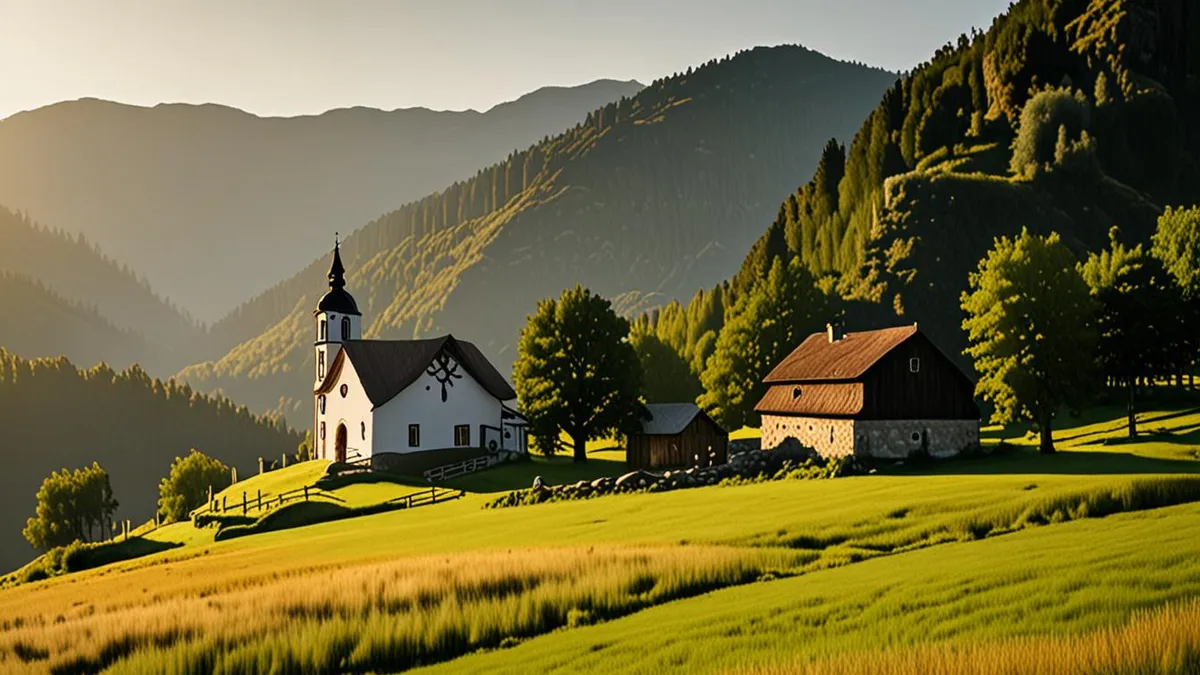
From June to September, the equation flips. The lifts quiet down, the crowds thin out, and villages become hiking bases with lower rates than winter. Instead of racing to the first cable car, you step out of your guesthouse and onto a trailhead, often within minutes.
What village stays cost in summer
Village guesthouses and homestays typically run CHF 90-180 per night in summer, well below winter resort prices. For a slower, more personal stay, a family-run homestay is hard to beat; our guide to Swiss homestays for summer escapes shows what to expect and how to book.
Practicality works in your favor too. Trails, lakes and mountain restaurants are reachable on foot or by local postbus from village centers, so you rarely need a car for daily plans. Mornings might start with fresh bread from the village bakery, followed by a hike to an alpine lake and lunch at a mountain hut. Evenings are for terraces and local restaurants rather than loud apres-ski bars. For hikers, families and anyone watching their budget, a village base in summer offers the best value the Alps have to offer.
Costs Compared: Resorts, Villages and Shoulder Seasons
Timing matters as much as location when you’re budgeting a Swiss Alps trip. The same hotel in Zermatt or Verbier can cost noticeably less in early December, when slopes are quiet and lifts are running on partial schedules, than it does over Christmas. Late March works the same way: the season runs from early December to mid-April, so there’s still plenty of snow cover, the sun is warmer, and peak-week prices have dropped off. Shoulder weeks also mean easier restaurant reservations, quieter lift lines and more flexible room choices, which matters if you’re traveling with a group or want a specific view.
Villages hold their price advantage year-round. A farmhouse guesthouse in a valley like Val d’Hérens or the Engadin typically runs well below what an equivalent resort hotel charges, and the gap widens in winter when resort rates spike. Even accounting for the extra transfer time to the lifts, the savings usually outweigh the inconvenience for most travelers. Summer stays in villages are cheaper still, and many guesthouses throw in extras like local cards for buses and cable cars, so ask before you book rather than assuming you have to pay for every trip up the mountain.
- Early December often means partial lift operation, so check which runs and cable cars are open before booking a bargain week.
- Village self-catering lets you shop at local co-op or Migros stores and cook, cutting food costs to a fraction of mountain restaurant prices.
- Half-board in resorts bundles dinner into your room rate, which softens the blow of expensive evening meals on the mountain.
- Late March brings longer daylight and softer snow afternoons, a good match for mixed-ability groups who want value without sacrificing conditions.
Getting There and Getting Around
Getting around the Swiss Alps is easier than in most mountain ranges, but your choice of base still shapes how much time you spend traveling versus skiing. The rail network reaches deep into most valleys, and stations sit within walking distance of village centers. Winter driving is manageable on main routes, but mountain roads after fresh snowfall demand chains or winter tires, so many travelers happily skip the rental car entirely.
- Arrive by train whenever possible. Swiss trains reach most alpine valleys directly, with connections from major cities like Zurich and Geneva that avoid the stress of winter mountain driving. Schedules are frequent and reliable enough that you rarely need to plan around long waits.
- Plan for Zermatt’s car-free rule. Private cars must stop in Täsch, where you park and ride the shuttle train for the 10-15 minute trip into the village. Build that extra step into your arrival time, especially with kids and ski bags in tow.
- Check the transfer chain for village bases. If your village has no lifts of its own, every ski day starts and ends with a bus or cable car connection. That daily rhythm adds up over a week, so weigh it against the lower room rates before you book.
- Decide on a car by season. In summer, a car gives you flexibility for trailheads and lakes around smaller villages; in major resorts with train stations, it sits unused in a garage all week while you pay parking fees.
One practical tip: luggage logistics matter as much as transport. Many village guesthouses and resort hotels offer pickup or porter service from the station or cable car, so ask when booking. Dragging suitcases through snow-covered lanes is nobody’s idea of an alpine arrival. A quick email to your host a few days ahead usually sorts it out.
How to Choose and When to Book
The right base depends on the trip you’re actually taking, not on what looks best in photos. A long weekend of hard skiing points you toward a resort; a two-week summer stay or a budget-conscious winter trip points you toward a village. Match the base to your group as well: skiers who want to be first in the lift queue value doorstep access, while families often prefer the space, kitchen and storage of a village apartment over a compact hotel room.
Booking timing matters just as much. For winter trips, aim to reserve 3-6 months ahead, especially if your dates fall over Christmas or February half-term, when the best-priced rooms in both resorts and villages go first. Late bookers usually pay more and settle for whatever is left, so treat your accommodation as the first thing you lock in rather than the last. If you’re browsing options, this guide to Swiss Alpine hotels for scenic stays is a good starting point for comparing properties side by side.
- Short ski trips reward resorts: with only two or three days on the snow, every minute saved on transfers translates directly into extra runs.
- Longer stays reward villages: a week or more gives you time to settle into local rhythms, and lower nightly rates compound into real savings.
- Families should check for apartment layouts, laundry access and play space, which village guesthouses offer more often than compact resort hotels.
- Groups of serious skiers should prioritize lift proximity over charm, since a long morning bus ride gets old fast when the goal is maximizing vertical.
- Set a booking reminder for roughly late spring if you’re targeting Christmas, as the most affordable family-sized rooms in popular valleys are typically gone well before autumn.
Wrapping Up Your Swiss Alps Base Decision
So, resort or village? If your trip is all about skiing and you want lifts, restaurants and après-ski on your doorstep, a purpose-built resort is the easier choice — expect CHF 200-450 per night in peak winter weeks. If you are traveling in summer, watching your budget, or simply want a slower, more local stay, a traditional village base at CHF 90-180 per night makes far more sense.
Whichever way you lean, timing matters more than anything else. Booking your winter stay 3-6 months ahead is what locks in the best rates and availability, whether you end up at the base of the lifts or in a quiet valley guesthouse. Match the base to your trip, book early, and the Swiss Alps will take care of the rest. Have a question or a favorite base of your own? Leave a comment below or share this article with a fellow traveler.