Everyone dreams of waking up to a fjord outside the window, but choosing among Norway fjord resorts is harder than it looks. The fjords stretch across a huge swath of western Norway and up into the Arctic, and each region has its own character, drive times and crowd levels. Add a short, price-sensitive summer season, and the wrong pick can mean long detours, blocked views or rates far above your budget.
This guide breaks the decision into manageable steps. We compare the standout fjord areas, from the dramatic Geirangerfjord to the gentler Hardangerfjord and the Arctic shores of Lofoten, then match each to the season that suits it best. You’ll also learn how to spot genuinely scenic rooms and cabins, when to book and what to budget, plus smart ways to pair your stay with rail and ferry routes. By the end, you’ll have a clear plan for a fjord-side stay with real views.
Why Norway Fjord Resorts Reward Careful Planning
Norway’s fjord country is enormous. The classic western fjords, like Geirangerfjord and Sognefjord, sit many hours apart by car, and the Arctic fjords around Tromsø and Lofoten are a different trip entirely. If you pick a base in the wrong region, you can easily add hours of driving to every day just to reach the viewpoints, hikes or cruises you came for. Decide which fjords are non-negotiable first, then choose a resort within easy reach of them.
Season swings change everything
Timing matters just as much as location. In peak summer, daylight stretches late into the evening and the scenery is at its greenest, but rates climb to their yearly high and popular villages fill up fast. In the shoulder months of May and September, prices typically drop noticeably, parking gets easier and viewpoints quiet down, while waterfalls fed by snowmelt and autumn colors keep the scenery strong. The same resort can feel like two different places depending on when you book.
Why resorts beat plain hotels here
Fjord resorts are a different breed from city hotels. Many offer timber cabins right at the waterline, on-site kayak and boat rentals, marked hiking trails and half-board dining built around the landscape. That setup matters because fjord resorts are often remote, and having dinner, activities and a view in one place turns a pretty stop into a proper stay.
Best Fjord Areas for Scenic Stays
Each Norwegian fjord region has its own personality, and the best resort base depends on what you want out of the trip. The dramatic icons draw the biggest crowds, while the longer, quieter fjords reward travelers who want space and local charm. Here’s how the main areas compare.
Geirangerfjord is the postcard fjord, with waterfalls tumbling down sheer cliffs and viewpoints perched at the edge of the rock. It’s a UNESCO World Heritage site and at its busiest in July, when cruise ships and tour buses converge on the small village of Geiranger. Nærøyfjord, also UNESCO-listed, is the narrow showstopper, with Flåm as its hub and famous rail connections that make car-free days easy. Sognefjord, Norway’s longest fjord, branches into quiet side arms where family-run resorts cluster in villages you’ll often have nearly to yourself. Hardangerfjord offers a gentler scene of orchards and fruit farms, and Lofoten and the Tromsø area take the whole formula north of the Arctic Circle.
- Geirangerfjord extras: The Eagle Road and the cliff-edge viewpoints above the village give you aerial perspectives of the winding waterway, and kayak trips put you directly beneath the waterfalls.
- Nærøyfjord and Flåm extras: The Flåm railway climbs steep mountain terrain from sea level, one of the most scenic train rides in the world, and boat services let you link fjord sightseeing with rail in a single day.
- Sognefjord extras: Side arms like the Lustrafjord lead toward glaciers and stave churches, giving family-run resorts a rich day-trip menu in every direction.
- Hardangerfjord extras: Apple blossom typically peaks around May, and the region’s cider houses and fruit farms add a food angle you won’t find on the steeper fjords.
- Lofoten and Tromsø extras: Lofoten sits above the Arctic Circle, with midnight sun from late May to mid-July and winter fishing-village cabins (rorbuer) built right over the water.
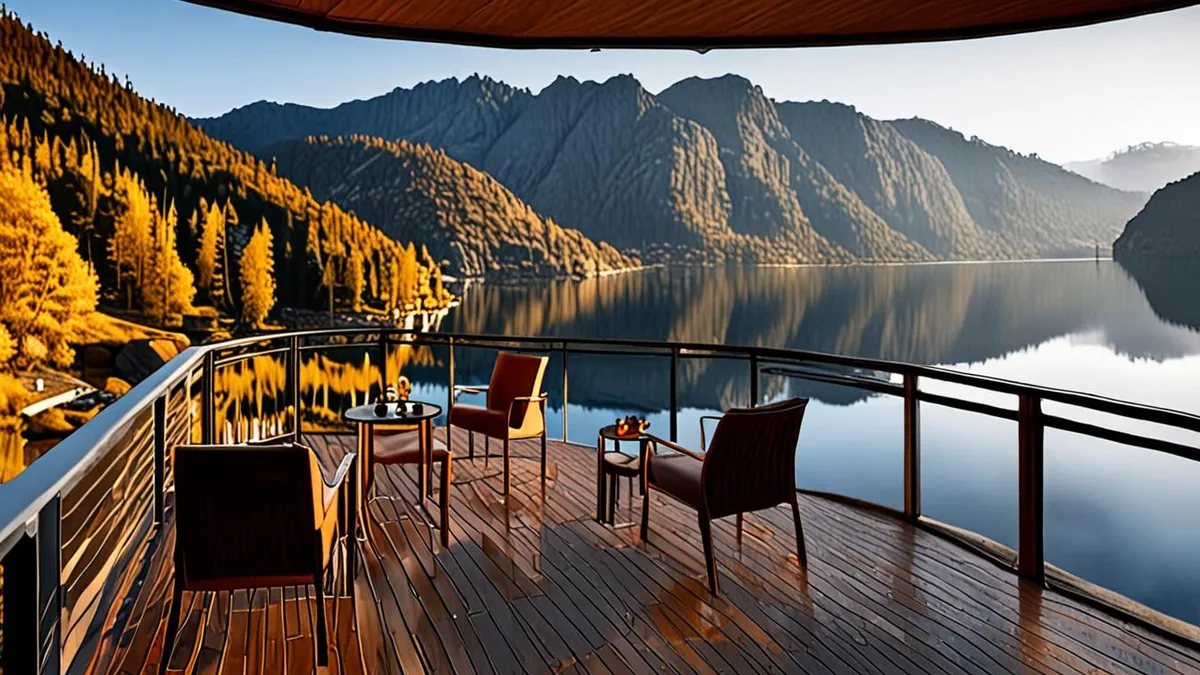
Choosing the Right Season for a Fjord Resort Stay
Season choice shapes your fjord stay more than any other decision, because daylight, weather and rates all move together. Get the timing right and you’ll pay less for better views and emptier viewpoints.
Peak summer: long days, top prices
June to August is the classic fjord window. The weather is at its mildest, daylight lasts well into the evening, and every cruise, kayak rental and mountain road is running at full capacity. The trade-off is money and crowds: this is when resorts charge their highest rates and villages like Flåm and Geiranger are at their busiest. If you want the full summer experience and don’t mind sharing it, this is your window.
Shoulder months: the value sweet spot
May and September are the savvy traveler’s months. Prices typically run roughly 20-30% below peak, the tour groups thin out, and the scenery holds up beautifully, with May blossom in the orchards and September’s early autumn colors on the slopes. Trails and most activities still operate, though it’s smart to confirm specific cruises and seasonal openings with operators before you commit.
For a different kind of magic, head north between late September and March, when the northern lights season is in full swing. Days are short and fjord cruises are limited in winter, so plan around indoor comforts and evening sky-watching instead. If an aurora-focused trip appeals, it’s worth reading about northern lights resorts in Finland to compare how the two countries handle winter stays.
How to Spot the Best Norway Fjord Resorts
The single biggest difference between a good fjord resort and a disappointing one is the view. Many properties list rooms and cabins as “fjord-view,” but the term gets used loosely. Before booking, open the map and check which direction the property faces. A room looking west across the water catches evening light; one facing a steep mountainside may sit in shadow for much of the day.
Direct access to the water is the second thing to look for. Resorts with their own shoreline, a private dock or kayak rentals on site let you swim, fish or paddle without driving anywhere. This matters more in the fjords than in most destinations, since villages are small and distances between attractions add up quickly.
Food is another practical filter. Many fjord resorts sit far from the nearest town, and driving to a restaurant after a day of hiking is not always appealing. Compare half-board packages, which typically include dinner, and check whether the kitchen can handle dietary needs.
- Ask about the specific room number or cabin: some “fjord-view” categories include units where trees or outbuildings partially block the water, so request a ground-floor cabin right at the shoreline if that is your priority.
- Check what water equipment is included: some resorts include kayak or rowboat use free for guests, while others charge per hour, which changes the real cost of an active stay.
- Look at dinner times and set menus: in remote spots, the kitchen may serve at fixed hours, so a late arrival can mean missing dinner entirely unless you arrange it in advance.
- Read reviews from the last year for road access: several properties sit at the end of narrow, steep mountain roads with hairpin turns, and recent guests often describe exactly what the final approach is like for larger cars or campers.
Booking Timeline and Budgeting for Fjord Stays
Fjord resorts are small, and the rooms with the best water views are the first to go. For a stay in June, July or August, reserve 4-6 months ahead. That is especially true for cabins right on the shoreline, which often number only a handful per property. Booking early also gives you a better chance of choosing a specific cabin rather than accepting whatever is left.
What peak season costs
In high summer, expect rates of roughly NOK 1,500-3,500 per person per night, depending on the region, the room category and whether meals are included. Half-board packages usually land toward the upper end of that range, but they can work out cheaper overall once you factor in how few restaurants sit near most fjord properties. Ask whether dinner is included in the rate before you compare prices, since two quotes that look far apart may actually be close once meals are added.
Booking on shorter notice
If you are traveling in May or September, you can often book just 6-8 weeks out and still find good availability, including view rooms. This flexibility is one of the shoulder season’s quiet advantages: you can wait for a favorable weather forecast before committing. Just keep an eye on local event calendars, since a single festival or a day with several cruise ships in port can fill a small village’s rooms quickly. If your dates are fixed and fall near a known local event, book earlier rather than later.
Getting There and Pairing Your Stay
For the western fjords, Bergen is the most practical gateway. It has the widest flight connections in the region, and from there you can rent a car and follow a mix of roads and ferries inland. Plan on around 5-7 hours of travel to reach the inner Sognefjord area, depending on your route and ferry connections. The drive itself is scenic, so many travelers split it with an overnight stop rather than pushing through in one day.
Adding rail and ferry routes
One of the easiest ways to pair a resort stay with sightseeing is to build your trip around the Norway in a Nutshell style routes that run through Flåm. These combine the Flåm railway, one of the steepest standard-gauge lines in the world, with ferry passages through the narrow Nærøyfjord. Staying at a resort near Flåm or Aurland lets you do the classic route as a day trip, then return to quiet evenings by the water instead of moving hotels each night.
Reaching the Arctic fjords
Lofoten works differently. Most travelers connect through Bodø in northern Norway, then continue with a short flight to the islands or take one of the ferry routes across. The flight is quick and usually the simplest option with luggage, while the ferry is slower but memorable. Once on the islands, a rental car is essential, since resorts, fishing villages and trailheads are spread along the E10 and side roads. Check current ferry schedules and flight times with your operator before locking in your dates, as timetables shift between seasons.
Wrapping Up Your Fjord Resort Plan
The trick to a great fjord-side stay is choosing your fjord area first, then matching the season to your budget and daylight needs. Norway’s fjord regions are far apart, so the region you pick shapes everything else, from driving time to the kind of scenery outside your window. Once the area is set, the season decides the price: June to August brings the best weather and the highest rates, while May and September deliver strong scenery with roughly 20-30% lower prices and thinner crowds.
Timing your booking matters as much as timing your trip. Aim to reserve 4-6 months ahead for June-August stays to secure the fjord-view rooms, while shoulder-season trips can often be booked closer to arrival. And remember that in these regions, a true fjord-view room and on-site activities matter more than star ratings. If this helped you plan your trip, leave a comment or share the article with a fellow traveler.