Slovenia lodge holidays sound simple until you actually start planning. Do you base yourself by an alpine lake, head deep into the Julian Alps, or chase the sun on the country’s short Adriatic coast? Each area shines at a different time of year, and picking the wrong combination of place and season can turn a great trip into a frustrating one.
This guide breaks the choice down. We compare the classic bases of Lake Bled and Lake Bohinj, the quieter Soča and Logar valleys, a city-plus-countryside combo around Ljubljana, and the compact coast near Piran. Then we look at which season suits each area best, from peak alpine summer to value-packed shoulder months. By the end, you should be able to match a lodge area to your travel style and book with confidence.
Why Slovenia Lodge Holidays Work for Almost Every Traveler
Slovenia is one of those rare countries where a lodge holiday does not force you to choose between very different landscapes. The alpine lakes, the Julian Alps and even the short stretch of Adriatic coast all sit within a 1.5-hour drive of Ljubljana. That means you can wake up in a wooden lodge under mountain peaks and still reach a vineyard or a seaside promenade the same day if you want to.
Price is the other big reason these trips work so well. Lodge stays typically range from about €70 to €250 per night depending on the area and season, which often undercuts comparable alpine lodges in Switzerland or Austria by a comfortable margin. You get the same mountain scenery, similar hiking and a more relaxed pace, without the Swiss price tag.
Who a lodge stay suits best
Lodges here are flexible enough to work for almost any travel style. Couples get cozy rooms and mountain views, families appreciate the space and kitchens, and hikers can step straight from the door onto trailheads. Self-catering options are especially common in the lake and valley areas, so you can keep food costs down on longer stays.
If you are planning your first trip, that flexibility matters. A lodge gives you a stable base while you figure out which corner of the country you love most, and short driving distances mean you can always add a second area later in the same holiday.
Lake Bled and Lake Bohinj: The Classic Alpine Base
Lake Bled is the name most people recognize, and for good reason. It sits about 55 km from Ljubljana, roughly a 45-minute drive, which makes it one of the easiest alpine bases to reach in the country. If it is your first visit to Slovenia and you want straightforward access to the famous sights, Bled is the natural starting point.
The town has the infrastructure to match its popularity: plenty of lodges and guesthouses, restaurants within walking distance, and easy day trips around the lake and into the surrounding mountains. The trade-off is that everyone else knows this too, so Bled sees the heaviest foot traffic of any lodge area in Slovenia.
Bohinj: the quieter lake 25 km further on
Lake Bohinj sits about 25 km further into Triglav National Park, and the atmosphere shifts noticeably once you arrive. It is quieter, more nature-focused, and generally the better pick for hikers who want a lodge stay built around trails rather than souvenir shops. The lake itself is larger and less developed, and the surrounding park gives you a much wider choice of walking routes straight from your base.
Many travelers split the difference: a night or two in Bled for the classic sights, then a move to Bohinj for the hiking half of the trip. The short drive between the two makes this easy to arrange.
When to book for summer
July and August bring the highest demand and the highest rates around both lakes, and peak season in the Julian Alps runs late June to early September. If a summer lodge stay is your goal, book 3-6 months ahead, especially for Bohinj where the lodge supply is smaller. In shoulder months you will usually find more availability, but summer weeks around these two lakes sell out early.
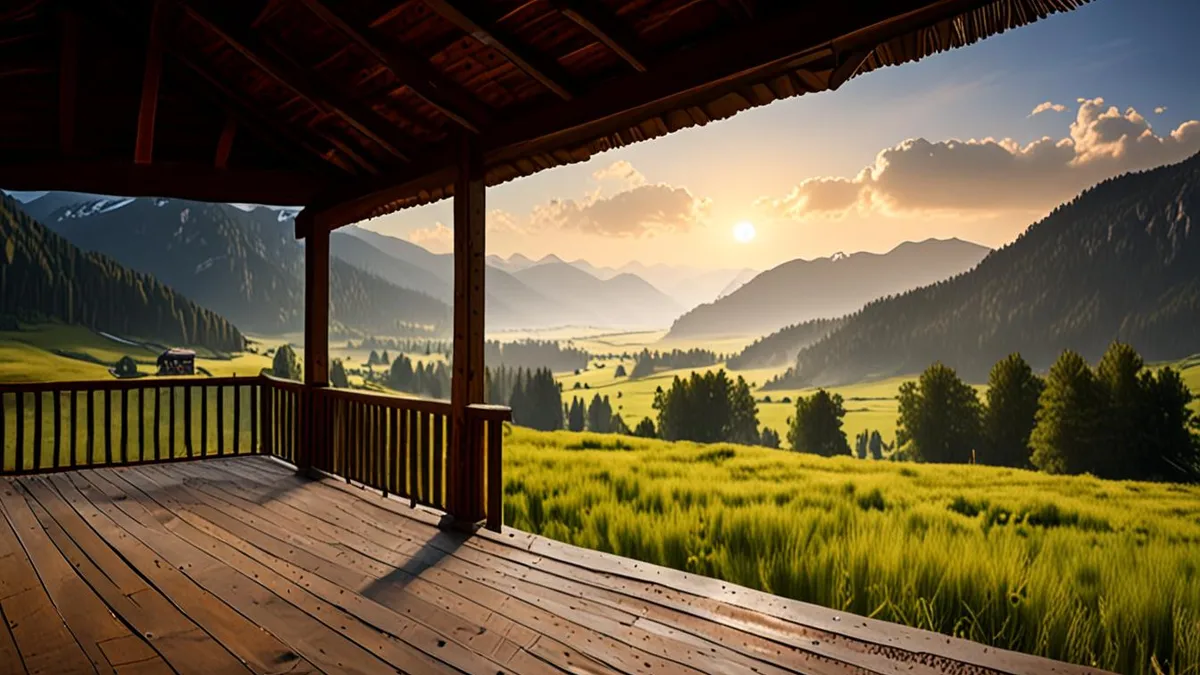
The Soča Valley and Logar Valley for Peace and Outdoor Lodges
If your ideal lodge holiday involves adrenaline rather than souvenir shops, the Soča Valley should top your list. The towns of Bovec and Kobarid act as bases for rafting and kayaking on the emerald-green Soča river, plus alpine hiking on the ridges above. The active season for water sports and high trails runs from June to September, so time your lodge stay within that window if rafting or kayaking is the main draw. Pack a light layer for evenings, too, since the valley sits deep between mountains and cools down quickly once the sun drops behind the ridges.
The valley has a growing collection of small lodges and guesthouses aimed squarely at outdoor travelers, many of whom come for multi-day itineraries mixing river sports with mountain trails. If you enjoy this style of trip, it is worth reading about adventure lodges in Interlaken as a comparison point, since the Soča Valley delivers a similar mix of water sports and alpine hiking at a gentler pace and price.
Logar Valley: a protected landscape with small lodges
The Logar Valley offers something different again: a protected alpine landscape where development is deliberately limited and the lodges are small, guesthouse-style affairs. It is a place for slow walks, waterfall views and quiet evenings rather than organized adventure sports. The best visiting window runs from May to early October, when the valley road and trails are in good condition and the guesthouses are open. Because the valley is protected, facilities are limited, so check ahead that your chosen lodge is open and serving meals on the dates you plan to arrive.
What you pay and how quiet it gets
Both valleys are noticeably quieter than Lake Bled, and that calm extends to the prices. Lodge stays here generally sit toward the lower end of the national range, especially outside the busiest summer weeks. For travelers who want mountain scenery, real hiking and a lodge with a handful of rooms rather than a resort, the Soča and Logar valleys are among the strongest value picks in the country. Check current rates directly with lodges, as they vary by season and room type.
Ljubljana and the Countryside: City Plus Lodge Combo
Slovenia’s capital makes an easy starting point for a lodge holiday. Plan on spending two to three nights in Ljubljana first, enjoying the riverside cafes, the castle hill and walkable old town, then move east to a countryside lodge for the rest of your trip. This two-stop approach means you unpack twice instead of changing hotels every night.
East of the Capital: Wine Hills and Spa Towns
The rolling wine regions east of Ljubljana, especially the area around Ptuj and the eastern hills, are where you’ll find small rural lodges and guesthouse-style stays at noticeably lower prices than the Alps. Ptuj itself is one of the country’s oldest towns, with a hilltop castle and thermal spa facilities nearby. Many lodges here sit on or near working vineyards, so you can expect home-cooked meals and local wine rather than a resort atmosphere.
When This Combo Works Best
May, June and September are ideal for this pairing. City sightseeing is comfortable without summer heat, and countryside walks between vineyards and hilltop villages are pleasant too. If you’ve done lodge trips in other European capitals before, the same logic applies here as in a stay like lodges for city travelers in Vilnius: use the city for culture, then retreat somewhere greener and quieter. Check current lodge rates and availability before booking, as they shift with the season.
The Slovenian Coast: Short, Warm and Best in Shoulder Season
Slovenia’s coastline is short but charming, and Piran and Portorož are its two main bases. The drive from Ljubljana to Piran is around 100 km, typically about 1.5 hours by car, which makes an easy transfer after a few days in the Alps or the capital. Piran offers a photogenic old town on a narrow peninsula, while Portorož next door is the more resort-oriented option with spa hotels and a seaside promenade.
Timing Your Coastal Stay
For the best mix of warm weather and reasonable rates, aim for May, June or September. July and August bring peak heat, crowded beaches and the highest prices of the year, so book well ahead if you must travel then. Shoulder-season stays often come with more relaxed service and easier parking in Piran’s tight old town.
Keep the Coast Short and Pair It Inland
The entire Slovenian coast can be covered in two or three days, so treat it as a short, warm escape rather than the centerpiece of your trip. A good formula is a few nights at an inland lodge followed by two or three nights by the sea. If you love this style of coastal lodge travel, you might also enjoy reading about beach lodges for coastal stays in Portugal, a bigger coastline with a similar relaxed rhythm.
Choosing Your Season: Summer, Winter or Shoulder Months
Slovenia is small enough that the season you choose matters almost as much as the lodge itself. Summer delivers the full alpine experience but comes with crowds and top rates, while winter shifts the focus to the ski areas. The shoulder months are where savvy travelers find the best balance of weather, price and availability, and choosing your window wisely can easily add an extra night or two to the same budget.
The Three Season Windows
- Peak alpine season (late June to early September): every high trail in the Julian Alps is open, mountain huts are running, and guided activities operate at full capacity, but lodge rates hit their yearly maximum and popular areas like Bled fill up fast.
- Winter season (roughly December to March): lodges near ski areas such as Kranjska Gora and Vogel cater to skiers and snowshoers, and you’ll often find quiet midweek stays and cozy evenings by the fire, though some hiking infrastructure closes.
- Shoulder sweet spot (May, mid-September and October): expect milder prices, easier availability and comfortable walking weather, with autumn color in the vineyards east of Ljubljana and fewer tour groups on alpine trails.
Timing also affects how you should book. For July and August alpine trips, plan to book three to six months ahead to secure your first-choice lodge, since the best-positioned properties fill their calendars early. In the shoulder months, you can usually afford to be more spontaneous, though booking a few weeks ahead still helps if you want a specific view or a lodge with a restaurant on site.
One practical tip: match your season to your activity list rather than the calendar. If hiking high trails is the priority, accept the peak-season rates and crowds. If you’re happy with valley walks, wine-country cycling or lakeside evenings, the shoulder months reward you with quieter trails, friendlier hosts and lodges that have space when you knock.
Wrapping Up Your Slovenia Lodge Holiday Plan
Choosing between Slovenia’s alpine lakes, the Julian Alps and the short coastline comes down to matching the area to what you want. Bled and Bohinj are the classic alpine base, the Soča and Logar valleys suit travelers who want quiet and nature, and the coast works as a short, warm escape. Once you know which of those appeals most, the rest of the plan falls into place.
Season matters just as much as location. Summer is best for the Alps, winter suits ski-area lodges, and the shoulder months offer value almost everywhere. With short driving distances and lodge rates typically between €70 and €250 per night, one trip can easily combine two or three areas. If you have stayed in a Slovenian lodge you loved, share it in the comments or pass this article along to a fellow traveler.