Norway has a well-earned reputation for eye-watering prices, and accommodation is usually where the budget takes the biggest hit. Before you commit to a booking, you probably want a realistic answer to one question: what will a lodge stay actually cost in 2025? The honest answer is that norway lodge costs swing widely depending on where you go, when you travel and what standard of comfort you expect.
This guide breaks it all down. We look at what lodges cost at budget, mid-range and premium levels, how rates rise and fall through the seasons, and why a fjord-view room costs more than the same cabin inland. You will also find practical advice on how far ahead to book, which months offer the best savings, and how to match your lodge budget to the kind of trip you are planning, whether that is a hiking getaway, a fjord cruise or a northern lights chase.
What Norway Lodge Costs Look Like in 2025
The starting point for planning any lodge stay in Norway is knowing the three broad price tiers. At the bottom end, budget cabins and simple lodges run about NOK 900-1,500 per night for two people. These are usually clean, basic self-catering cabins, sometimes on campsites or farms, where you bring your own bedding or rent it for a small extra fee. Expect shared or very compact facilities in some cases, and a location that favors nature over convenience.
Mid-range: the sweet spot for most travelers
Mid-range lodges with private bathrooms and kitchens typically cost NOK 1,800-3,000 per night. This is where most visitors end up, and the difference in comfort is significant: you get a proper private bathroom, a well-equipped kitchen, and often a spot on or near a fjord or lake. Many lodges in this bracket are family-run, which usually means personal service and local tips you would not find in a chain hotel.
Premium lodges for special occasions
At the top of the scale, premium fjord-view and design lodges reach NOK 3,500-6,000+ per night in high demand areas. These properties sell the setting as much as the room: floor-to-ceiling windows toward the water, architectural design, private saunas and sometimes included dinners. They are concentrated in the most photographed corners of the country, and availability is limited, so the highest rates and the fastest bookings go hand in hand. For most trips, a mid-range lodge delivers 90% of the experience at half the price.
Seasonal Price Patterns: When Lodge Rates Rise and Fall
Timing is the single biggest lever on your lodge bill after location itself. Peak season runs from mid-June to mid-August, when rates are at their highest and the most desirable lodges sell out fastest. This is when the weather is mildest, the days are nearly endless, and international visitor numbers peak, so owners can charge top rates and still fill every room. If you want a fjord-view lodge or a popular hiking base in July, expect to book well ahead and pay full price.
The shoulder seasons offer a genuine compromise. May to early June and September typically bring savings of roughly 15-25% compared with peak rates, while conditions remain good for hiking, sightseeing and long daylight hours, especially in September. Trails are quieter, restaurants are less crowded, and photographers often prefer the softer light. If your dates are flexible, shifting a trip by just a few weeks can cut hundreds of kroner per night off the same lodge, sometimes enough to move you up a whole comfort level.
Winter, from October to April, is the cheapest stretch of the year for most lodges, with a few important exceptions around the holidays.
- Christmas and New Year see sharp rate spikes, particularly at lodges marketed for cozy winter stays, and minimum-stay requirements are common over the holidays.
- February and March ski holidays push up prices at mountain lodges near ski areas, as families and winter sports travelers compete for the same limited stock.
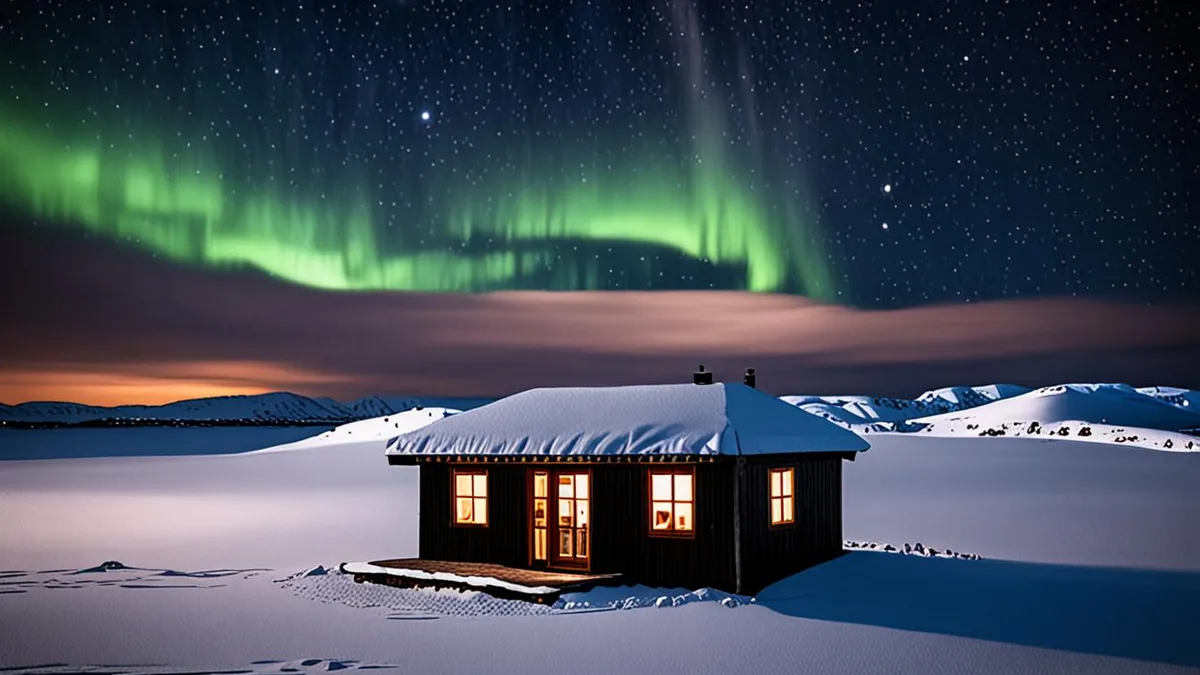
- Deep winter in the far north can buck the trend, since northern lights season keeps demand, and therefore rates, higher than you might expect for the coldest months.
- October and November are often the quietest and cheapest weeks of all, a good fit for travelers who value calm over long daylight.
Regional Price Differences: Fjords, Mountains and the North
Where your lodge sits on the map matters almost as much as when you book. Norway’s most famous landscapes come with the country’s steepest nightly rates, while quieter inland regions offer the same standard of cabin for noticeably less.
The fjord premium
Fjord-region lodges near Geiranger and Flåm command peak premiums for water views. These are the postcard locations that draw coach tours and cruise ships in summer, and lodges with a direct fjord outlook book out months in advance. You are paying for the view from your window or terrace, and in high season that view can easily add a third or more to the nightly rate compared with a similar lodge a short drive inland.
The north and Lofoten
Northern Norway and the Lofoten area add roughly 10-20% over inland regions due to demand. The draw here is different: dramatic peaks rising straight from the sea, fishing cabins converted into stylish stays, and winter aurora hunters competing with summer midnight-sun travelers. Demand spans more of the year than in the fjords, which keeps rates elevated even outside summer.
Where your money goes furthest
Inland and eastern forest areas offer the lowest nightly rates for the same standard of lodge. A mid-range cabin with a private bathroom and kitchen that costs a premium near a famous fjord can be found at the lower end of its price band in the forests and lake country east of the main tourist corridors. The scenery is softer but still beautiful, with hiking trails, berry picking in late summer and quiet lakes. If you have seen the fjord regions before, or if you want mountain scenery on a budget, it is worth comparing these areas too. For a similar value-focused approach in another country, see our guide to Switzerland mountain lodges with epic views.
What Drives the Price: Location, Views and Facilities
The single biggest factor in what you pay for a Norwegian lodge is where the building sits. Two lodges with nearly identical rooms can differ sharply in price simply because one faces the water and the other faces the parking lot. A fjord-facing position is the most sought-after feature in the country, and lodge owners know it.
As a rule of thumb, expect a waterfront or fjord-facing lodge to cost NOK 500-1,500 more per night than a comparable road-side property in the same area. In popular spots like Geiranger or Flåm, that premium stacks on top of already high seasonal rates, so a water view can effectively double the price of a basic room.
Facilities are the second lever. Extras such as private saunas, hot tubs and in-house chef services are what separate a comfortable mid-range lodge from a true premium property. Once a lodge offers these, nightly rates typically move into the NOK 3,500+ bracket, sometimes well beyond in high-demand areas.
On the other side of the ledger, a self-catering kitchen can quietly save you more money than any discount on the room rate. Lodges that tie you to a set dinner menu effectively lock in a fixed nightly spend, while a kitchen lets you shop at local supermarkets and cook for a fraction of restaurant prices.
- Fjord-facing rooms: these usually sell out first in summer, so if you want the view at a lower price, ask whether the lodge holds any water-side cabins outside the main building.
- Sauna and hot tub: in Norway these are often shared facilities rather than private ones, and a shared sauna block typically comes at a much smaller price premium than an in-room hot tub.
- Chef services: many premium lodges offer dinner on request rather than every night, so booking a chef for one or two highlight evenings can be cheaper than a full-board arrangement.
- Kitchen equipment: check whether a self-catering lodge includes basics like pots, coffee gear and dish towels, since a few rentals expect you to bring or rent these separately.
How Far Ahead to Book and How to Pay Less
Norwegian lodges are small properties with a limited number of rooms, so the best ones in popular regions fill up well before the season starts. When you book matters almost as much as where you book, and a few timing tricks can shave a meaningful amount off your total.
- Book 3-6 months ahead for summer stays. Peak-season lodges in the fjords and along popular hiking routes often have their calendars largely full by spring, so reserving in this window gives you real choice rather than leftovers.
- Book 6-9 months ahead for Christmas and northern lights trips. Winter trips to Northern Norway and Lofoten coincide with holidays and limited daylight, and the lodges positioned for aurora viewing are few, so early booking is the safest route to a good room.
- Consider September instead of July. Traveling in September typically cuts rates while daylight and hiking conditions remain good, and the trails and viewpoints are noticeably quieter than at the height of summer.
- Shift your stay to midweek. Choosing Tuesday through Thursday nights instead of Friday and Saturday can bring noticeable savings on the same lodge, since weekend demand from domestic travelers pushes those nights up.
- Compare booking channels before committing. Some lodges offer direct booking with small perks or more flexible cancellation terms than the big platforms, so it pays to check the lodge’s own website as well.
None of these steps requires much effort, but together they can easily move a trip down a price bracket. The pattern to remember is simple: scarce dates and scarce rooms cost the most, so flexibility on timing is the cheapest upgrade you can give yourself.
Matching Your Lodge Budget to Your Trip Style
The right lodge budget depends less on the nightly rate and more on how you plan to spend your days. A traveler who leaves the room at eight in the morning and returns after dark needs very different accommodation from one who plans to sit on the terrace watching the fjord. Matching the lodge to your itinerary saves money without cutting anything you actually care about.
Hiking trips and simple cabins
If your days are built around trails, a simple inland cabin at the lower end of the price range makes the most sense. These lodges sit close to hiking areas, and you will barely use the frills you would pay for elsewhere. A dry room, a good bed and a kitchen for cooking dinner after a long day on the trail cover nearly everything a hiker needs. Look for places with boot dryers and gear storage, which many trail-side lodges offer as standard.
When it pays to spend more
Fjord and aurora trips are different. The whole point of the journey is the view from your window, so a mid-range or premium lodge justifies its cost in a way it would not on a hiking trip. Waking up to a fjord panorama or stepping outside to a northern lights display is exactly what you are paying for, and lodges in the far north charge a premium over comparable inland options. Build that into your budget from the start rather than treating it as a surprise.
Family groups should look closely at large self-catering lodges. Splitting a big cabin with a kitchen among several people usually works out cheaper per person than booking multiple small rooms, and a shared living space makes evenings far easier with children. Cooking your own meals adds further savings over a week-long stay, especially in areas where restaurant choices are limited and dinner prices run high.
Wrapping Up Norway Lodge Costs in 2025
So what does a lodge stay in Norway actually cost in 2025? As a rough guide, budget lodges and cabins sit in the NOK 900-1,500 per night range for two people, mid-range lodges with private bathrooms and kitchens typically land between NOK 1,800-3,000, and premium fjord-view or Arctic lodges start around NOK 3,500 and climb from there. Norway is expensive, but knowing these brackets makes planning far less intimidating.
The two biggest levers are season and region. Peak summer and the far north cost the most, while shoulder months and inland areas bring real savings. Booking several months ahead and traveling in September instead of July keeps costs manageable without giving up the experience. If this helped you budget your trip, feel free to leave a comment or share the article.