More travelers than ever want to sleep somewhere that matches their values, and eco lodges in Europe have grown popular for exactly that reason. The problem is that “green” has become a marketing word. Many properties use it freely, while a genuinely sustainable lodge — one powered by renewables, careful with water, and serving food from nearby farms — rarely shouts about it. Telling the difference takes a little knowledge, and that is where most people get stuck.
This guide walks you through what a real eco lodge actually offers, how to verify its green credentials, and which setting — mountain, lake or coast — fits your trip best. You will also find practical advice on when prices drop, how to book a small lodge before it fills, and how to match a property to your travel style, whether you are hiking with a family or escaping for a quiet week as a couple. By the end, you will know exactly what to check before you commit.
What an Eco Lodge in Europe Actually Offers
A genuine eco lodge in Europe is built around a few concrete features rather than a vague philosophy. On the energy side, many properties run on renewables such as solar panels or wood-chip heating, and some source 50-100% of their energy this way. Water-saving fixtures in showers and taps are standard, and kitchens typically serve locally sourced food — often from farms within 50 km, so menus change with the seasons and taste noticeably fresher than standard hotel fare.
Small by design
Scale is the other defining trait. Most eco lodges have just 5-15 rooms, which limits availability compared to a regular hotel but keeps the stay personal. You are likely to meet the owners, eat at a shared table, and get local tips you would never find in a guidebook. The trade-off is that popular lodges fill up quickly, so flexibility helps.
Settings matter too. You will find these lodges at forest edges, in alpine valleys, on lakeshores and along coastlines — places chosen so the building itself minimises land impact. Construction often follows the terrain rather than flattening it, which is why many lodges look modest from outside but feel thoughtfully designed within.
How to Spot Genuine Green Credentials
The fastest way to separate genuine eco lodges from clever marketing is to look for third-party certification. Recognized schemes such as EU Ecolabel, Green Key and Green Globe audit properties against defined criteria — energy, water, waste, staff practices — so a certificate means something verifiable rather than a claim the lodge invented itself. Most genuine European eco lodges hold one of these or a comparable scheme, and the certificate should be easy to find on their website or on request. If a website only offers adjectives like “green”, “sustainable” or “eco-friendly” without naming a scheme, keep reading with a critical eye.
Next, study the lodge’s own descriptions. Concrete detail is a good sign: naming the energy source, explaining the waste policy, or listing the farms that supply the kitchen shows the property has actually thought these things through. Vague buzzwords without specifics usually point the other way. Ask yourself whether you could picture the lodge’s systems actually working — if not, the marketing probably isn’t backed by much.
- Check the energy section first. A lodge that can tell you whether it heats with wood chips, runs on solar or buys green electricity has nothing to hide; silence on energy is the most common gap in greenwashed listings.
- Look at water, not just waste. Recycling is easy to claim; describing low-flow fixtures, greywater treatment or rainwater collection requires real infrastructure.
- Trace the food. Genuine lodges can usually name suppliers or a radius — such as farms within 50 km — rather than simply saying “local and organic”.
- Read guest reviews for confirmation. Comments about cold showers, shared meals or solar hot water often reveal whether the eco features actually work in practice.
A useful warning sign: a property that talks only about recycling while saying nothing about energy or water use is likely greenwashing. Sustainability runs through the whole operation, not one convenient corner of it. A short email asking two or three specific questions — energy source, water treatment, food suppliers — will usually tell you more than an hour of browsing photos, and the tone of the reply is often as revealing as the content.
Choosing the Right Setting: Mountains, Lakes or Coast
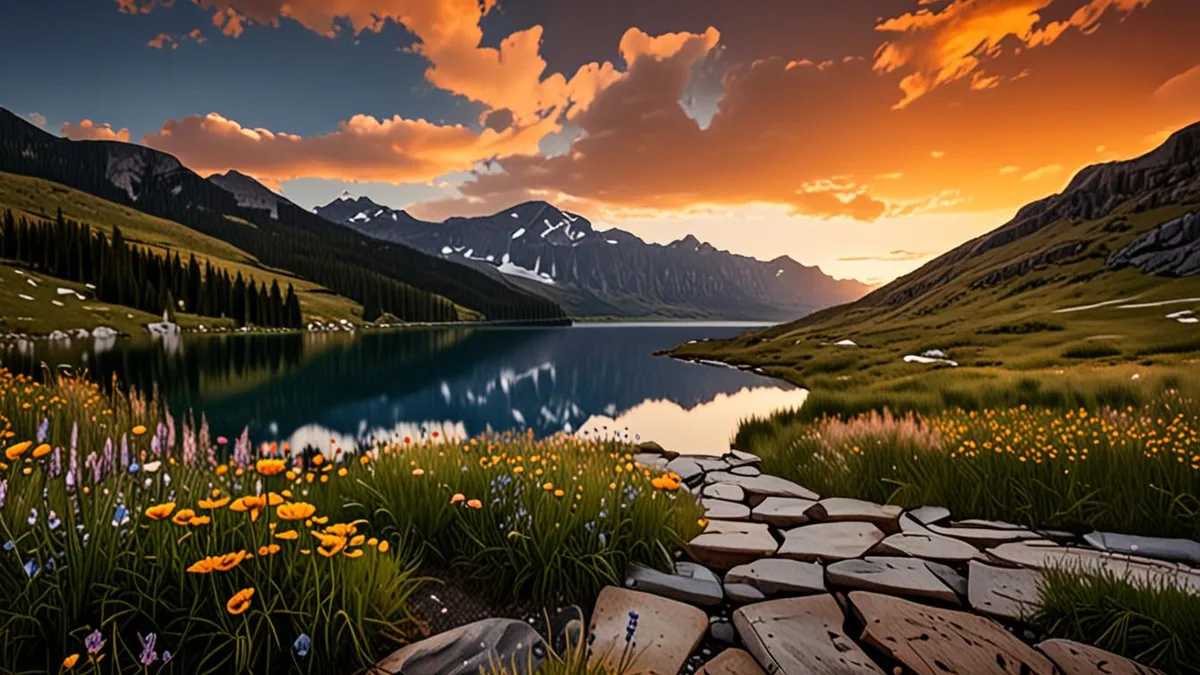
Once you know what to look for in a lodge itself, the setting becomes the next big decision — and it should follow your main activity, not the eco label. All three classic settings can be genuinely sustainable; what differs is what you will actually do each day.
Mountain lodges
Mountain eco lodges suit hikers in summer and winter-sport travelers later in the year. Alpine options pair well with dense trail networks in the warm months and with snow seasons from December to March, so the same lodge can serve two very different trips. Expect a cozy, energy-conscious building, since heating matters more at altitude, and check how you will reach the property if the access road is steep or narrow.
Lakes and coast
Lake lodges offer calm, low-impact stays with swimming and paddling in summer, and they work especially well in the Baltic and Alpine lake regions where water quality is high and evenings are quiet. Coastal eco lodges, meanwhile, focus on sea views and marine-aware practices, often pairing well with coastal trails and wildlife watching. If you are torn between the two, this comparison of lakeside and mountain lodges in Austria shows how differently the two settings play out in practice. Whichever you lean toward, decide your primary activity first — trail time, water time or simply stillness — and let that, rather than the “eco” label alone, pick the lodge.
Seasons and Prices: When Eco Lodges Cost Less
Eco lodge prices follow the seasons more closely than regular hotels do, mostly because these properties are small and cannot absorb demand swings with extra rooms. The peak season in most of Europe runs from June to September, and that is when rates reach their highest point. If your dates are flexible, the shoulder months of May and late September often cost 20-30% less while still offering similar weather in many regions.
Alpine destinations work differently. Winter eco-lodge stays there typically run from December to March, when snow transforms the valleys and the lodges themselves, often heated with wood chips or other renewables, feel at their coziest. If you enjoy quiet evenings and energy-conscious design as much as skiing or snowshoeing, this window can be more rewarding than summer.
What you can expect to pay
As a rough guide, a double room in a Western European eco lodge typically costs €120-€250 per night, depending on the region, the season and how remote the property is. In Eastern Europe, comparable options often run €60-€120, which makes countries like Slovenia, the Baltic states or the Czech Republic attractive for longer stays. For a closer look at how one Eastern European market behaves through the year, this guide to lodge prices and seasons in Latvia gives a useful picture of the patterns.
Keep in mind that these are typical ranges, not fixed rates. Small lodges occasionally offer multi-night discounts or last-minute openings, especially outside the peak months, so it always pays to ask directly.
Booking a Small Eco Lodge: Timing and Practical Tips
Booking a small eco lodge is closer to reserving a guesthouse than a hotel. With most properties offering only 5-15 rooms, availability disappears quickly in popular areas, and the booking process itself often involves a direct conversation with the owners rather than a large platform. That personal contact is a real advantage: you can ask detailed questions, get honest answers and gauge whether the property genuinely matches your expectations before any money changes hands.
- Time your booking around the season. For summer stays in sought-after regions like the Alps or Slovenia, aim to book 3-6 months ahead. Small lodges fill fast in July and August, and the best-value rooms tend to go first. If your dates are flexible, asking the owners about quieter weeks can also pay off.
- Email the lodge directly before you commit. Ask specific questions about where their energy comes from, how much of their food is sourced locally, and what transport options exist nearby. A genuine eco lodge will answer with concrete details rather than marketing language, and slow or vague replies are worth taking seriously.
- Sort out arrival logistics early. Many rural eco lodges are car-free or sit far from train and bus lines. Ask about transfers, shuttle services or the nearest reliable public transport stop, and plan that leg of the journey before you confirm your stay.
- Confirm what is included. Some lodges operate on set meal times or offer limited kitchen access, so check whether breakfast, dinner or self-catering fits your plans.
Taking these steps costs little time but makes a real difference. If Slovenia is on your shortlist, this overview of the best areas and seasons for a lodge holiday in Slovenia helps you narrow down where to look before you start emailing lodges. Once you have answers in hand, you can book with confidence that the property matches what it promises.
Matching an Eco Lodge to Your Travel Style
The best eco lodge for you depends less on the label and more on how you actually spend your days. A property that suits a couple seeking silence can feel isolating for a family with children, and a lodge built for hikers may offer little to someone who wants to read by a lake. Matching the lodge to your travel style starts with being honest about your main activity.
Think about how the lodge’s daily rhythm fits yours as well. Small properties often serve meals at fixed times, close common areas early, or organize activities around weather and daylight. If you like sleeping in or eating late, check these details before booking rather than discovering them on arrival.
- For hikers: prioritize lodges within walking distance of marked trails, and look for practical extras such as gear storage, boot dryers and early breakfast options so you can start walking at first light.
- For couples: focus on lodges with fewer than 10 rooms and no group facilities like conference rooms or large dining halls, which keeps noise down and preserves the sense of retreat.
- For families: choose lodges with self-catering options and generous outdoor space. Cooking some of your own meals reduces both cost and footprint, and children settle more easily when they have room to roam.
Whichever type you choose, the same rule applies: ask the owners how the lodge supports your kind of stay. Their answers will tell you quickly whether the property was designed with travelers like you in mind.
Wrapping Up Your Eco Lodge Choice
Finding a genuinely sustainable lodge in Europe comes down to looking past the marketing language. Real eco lodges combine third-party certifications, renewable energy such as solar or wood-chip heating, and locally sourced food, all at a small scale of usually 5-15 rooms. If a property can show you concrete details about its energy sources, water use and food suppliers, that tells you far more than the word “eco-friendly” ever will.
Once you have shortlisted lodges that pass the greenwashing test, timing does the rest. Traveling outside the June to September peak can trim a noticeable share off your nightly rate while the weather stays pleasant, and reserving 3-6 months ahead secures a room before small lodges fill up. Check credentials directly with the lodge, match the setting to your main activity, and you will end up with a stay that fits both your values and your travel style. If this guide helped you plan your trip, feel free to leave a comment or share it with a fellow traveler.