Safari tents in Europe have gone from a niche curiosity to one of the most popular ways to stay outdoors, and yet many travelers still book one without really knowing what they’re getting. Is it camping? Is it a hotel room with canvas walls? Will you be cold at night, and do you need to bring a sleeping bag? These are the questions that come up again and again, and the answers matter more than you might think when choosing where to stay.
This guide explains what a safari tent actually is, how one works day to day, when to book, and who they suit best, from families to couples. We’ll also look at where in Europe they make the most sense and what you can expect to pay in 2025. By the end, you’ll know whether a canvas tent on a wooden platform is the right choice for your next trip, or whether a cabin or a regular campsite would serve you better.
What a Safari Tent Actually Is
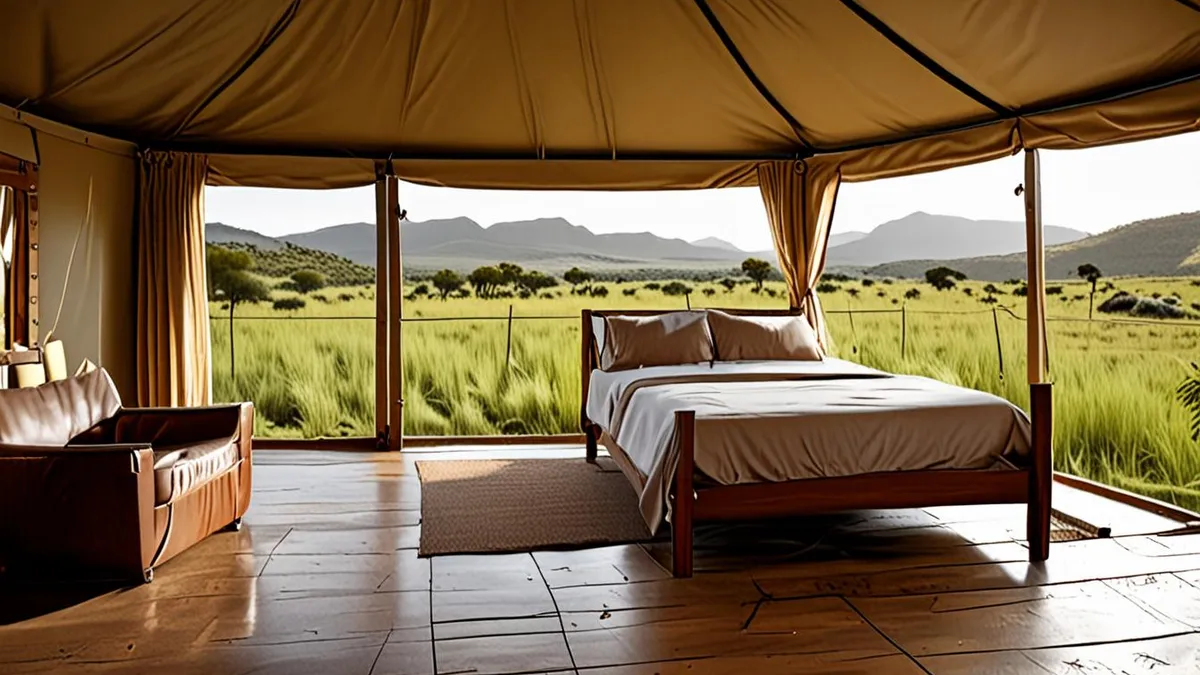
A safari tent is a large, permanent canvas tent that stays standing year-round on a fixed wooden platform. The design borrows from the expedition tents used on African safaris, which explains the name and the distinctive shape: a heavy canvas roof, tall mesh-sided walls, and a wide front opening. Because the tent is never taken down and moved, it can be built far more solidly than anything you would pitch yourself.
Step inside and the difference from a regular tent becomes obvious immediately. You’ll find real beds with proper mattresses, furniture such as a table and chairs, storage space for your clothes, and in many models a private bathroom or even a full en-suite. You bring little more than you would to a hotel stay, not a single pole or peg.
What you’ll find outside the front door
Nearly all European models come with a covered front terrace fitted with seating, so you can sit out with a coffee in the morning or a glass of wine in the evening even if the weather turns. This terrace effectively doubles your living space and is where most guests spend their time.
What you won’t get is the sealed, insulated feeling of a cabin. The walls are canvas and mesh panels, which means you hear the birds at dawn, the rain on the roof, and the breeze moving through the trees. For many guests this is exactly the point: you get real beds and furniture, but you still feel like you’re sleeping outdoors.
How Safari Tents Work Day to Day
Living in a safari tent is closer to staying in a simple cabin than most people expect, but canvas changes a few things. The most important one is temperature: canvas walls have no insulation, so the inside follows the outside air closely. Warm day, warm tent. Cool night, cool tent. Mesh windows keep air moving constantly, which keeps things comfortable in summer but means you should pack layers for the evenings.
Most units are far better equipped than a pitched tent. You’ll typically have electricity and lighting, and many models add a small fridge. Cooking is the variable: some sites provide an outdoor kitchen or fire pit at your tent, while others point you to a shared kitchen block. If cooking matters to your trip, check what the individual unit offers before booking. If you’re weighing this style of stay against a conventional campsite, our guide to glamping versus camping breaks down the differences in more detail.
What to expect from services and facilities
- Housekeeping: ranges from daily cleaning at resort-style sites to self-check-in with fresh linen left for you to make up the beds yourself.
- Bathrooms: mid-range and luxury models usually include a private bathroom or en-suite with a shower and toilet, while budget sites often rely on clean shared facilities a short walk away.
- Cooking setup: varies between a private fire pit or grill at your terrace, a shared camp kitchen, or no self-catering at all if the site has a restaurant.
- Bedding and towels: are nearly always provided, unlike a traditional campsite where you bring your own, but confirm when booking.
When to Book Safari Tents in Europe
Timing matters more with safari tents than with almost any other type of accommodation, simply because canvas can’t handle winter. Most European sites operate from around April or May through September or October, and the tents are rarely open outside that window. If you want a canvas stay, plan your trip within the main season.
Booking ahead for summer
July and August are the crunch months. Family models with four to six berths sell out first, sometimes months in advance, so book 3 to 6 months ahead if you’re set on peak summer. Leaving it to a few weeks out usually means choosing between leftover dates or a less popular site.
Shoulder months reward flexible travelers. In June and September you’ll often find nightly rates of €90 to €180 instead of the €200 to €250+ typical of peak weeks, with milder weather and fewer crowds as a bonus. For a deeper look at how prices move through the year, see our guide to glamping costs in Europe in 2025.
Midweek beats the weekend
In popular regions, midweek stays are both cheaper and quieter than weekends, when local families and short-break travelers fill the sites. If your schedule allows a Monday-to-Friday stay, you’ll often pay noticeably less and get a calmer atmosphere around the terrace and shared facilities. Check current availability and rates directly with the site, since they shift from year to year.
Who Safari Tents Suit Best
Safari tents hit a sweet spot for families with children. Most models sleep four to six people on real beds, so nobody has to inflate a mattress after a long drive. The best family sites are car-free or fenced, which means kids can run between the tent and the playground without parents hovering at every step. You still get the bedtime excitement of sleeping “in a tent,” but with a solid door, proper storage and usually a private bathroom down the hall.
Couples are the second big group. Luxury two-person models often come with an en-suite bathroom, a covered terrace with loungers and, at the top end, extras like a wood-fired hot tub. If you want waking up to birdsong without sacrificing a decent mattress and a hot shower, this is the format for you.
First-time campers also benefit. You get the outdoor feel of canvas walls and mesh windows without buying a tent, sleeping bags, coolers or camping stoves. Just bring clothes and groceries.
That said, safari tents are not for everyone. Before booking, consider whether any of the following applies to you:
- You need air conditioning or heating. Canvas follows the outdoor temperature, so a heatwave or a cold snap will be felt inside, and most sites offer little climate control.
- You are a very light sleeper. Thin walls mean you will hear neighbors, birds and wind, even in well-spaced sites.
- You travel in winter. Canvas tents are rarely open outside the April-to-October season, so cold-season trips need a cabin or hotel instead.
Where to Find Safari Tents in Europe
Europe’s safari tent sites cluster in a few landscape types, and picking the right one shapes your whole trip. Alpine regions such as the Dolomites and the area around Zakopane in Poland pair canvas tents with dramatic mountain scenery. These sites typically operate in summer only, when the hiking trails are open, and mornings tend to be crisp even in July.
Lake and countryside settings suit travelers who want a slow, quiet stay. The area around Lake Bled in Slovenia is a good example: glamping sites there combine lake views, short walking trails and easy access to swimming spots. Rural Portugal works on a similar principle, trading mountains for olive groves, cork oak country and long evenings on the terrace. If Slovenia appeals to you, our guide to glamping around Lake Bled covers the options in more detail.
Forest retreats for couples
Forest settings such as Germany’s Black Forest attract couples seeking calm. Sites here tend to be smaller, with tents spaced among trees, and the atmosphere leans toward reading, sauna sessions and long walks rather than organized kids’ activities.
One practical check matters more than the postcard view: terrain. Safari tents need flat, well-drained ground, and quality varies by operator. A poorly sited tent can feel damp after rain or wobble underfoot, so read recent reviews and look for photos of the actual platform before you book.
What Safari Tents Cost in 2025
Safari tent pricing follows a fairly predictable pattern once you know what drives it. Region, season and the level of comfort on site matter more than brand or operator. A simple two-person tent in rural Portugal sits at the modest end of the market, while a large family model in the Dolomites during August will push toward the top. The same canvas, the same platform — very different bill.
Luxury safari tents occupy their own tier. Units with en-suite bathrooms, hot tubs and full housekeeping typically reach €250 to €400+ per night. These often include extras like breakfast baskets, firewood deliveries and furnished terraces that feel closer to a boutique hotel room than a campsite.
How the season changes the price
Timing matters as much as location. Peak July and August pricing can run noticeably above shoulder-season rates, so the same tent that feels affordable in June may stretch the budget in midsummer. If your dates are flexible, June and September deliver nearly the same experience for less money, and sites are quieter too.
Budget for extras as well. Many sites charge separately for breakfast baskets, firewood bundles, activity kits for children or kayak rentals, and these add-ons typically add a modest amount per stay. Cleaning fees or tourist taxes may also apply on top of the nightly rate. Check the site’s full price list before booking so the final bill holds no surprises.
The Bottom Line on Safari Tents
A safari tent is exactly what it sounds like once you picture it: a large, permanent canvas tent on a fixed wooden platform, with real beds, furniture and often a private bathroom. It is not a pitched tent you carry in a bag, and it is not a wooden cabin either. Canvas walls and mesh windows mean you hear the birds and feel the evening air, while still sleeping off the ground with a covered terrace outside.
They suit families, couples and first-time campers who want the outdoor feel without buying any gear, and they work best between April and October when European sites are open. Expect around €90 to €250 per night, with luxury models costing more, and book summer stays 3 to 6 months ahead. If this helped you plan your trip, leave a comment or share the article.