Figuring out where to stay in Crete is trickier than it looks. This is a big island with four very different coasts, and picking the wrong resort area can leave you with long drives to everything you want to see, or a beach that does not suit the season you are traveling in. A family looking for a lively strip in August and a couple chasing quiet swims in May need completely different bases.
This guide breaks the island down by coast and by time of year. We start with a quick orientation on how Crete’s coasts differ, then work through the north coast resort areas from Chania to Heraklion, the quieter east around Agios Nikolaos, Elounda and Sitia, and the south coast stays that reward off-season travelers. We also match resort areas to your travel season and share practical booking tips, so you can choose a base that fits both your plans and your dates.
How Crete’s Coasts Differ: A Quick Orientation
Crete is long and mountainous, and the two sides of the island face very different seas. The north coast looks toward the Aegean and holds most of the island’s resort infrastructure: the main airports, the largest towns, and long stretches of sandy beach lined with hotels, tavernas and beach bars. If you picture a classic beach holiday in Crete, you are probably picturing the north coast.
The south coast faces the Libyan Sea and feels like a different island entirely. It is more rugged, far less built-up, and its beaches are often pebbly coves rather than wide sandy strips. What it gives up in development it gains in season: the southern sea is often warm enough for swimming well beyond the northern summer window.
West versus east
Within the north, character shifts as you move along the coast. The west around Chania suits scenery-focused travelers, with a beautiful old town, dramatic coastline and easy access to the peninsulas and gorges nearby. The east around Agios Nikolaos and Elounda suits travelers who want calmer bays and a more upscale resort scene.
One base beats many
Distances on Crete are deceiving. Driving from Chania in the west to the far east resort areas takes roughly 3.5-4.5 hours, so hopping between coasts on day trips quickly eats up your holiday. Pick one base that matches your priorities, and plan a handful of outings from there rather than trying to cover the whole island.
North Coast Resort Areas: Chania to Heraklion
The north coast is where most first-time visitors land, and for good reason: it combines the island’s sandiest beaches with its widest choice of hotels, restaurants and services. The trade-off is exposure. These beaches face the open Aegean, and the summer meltemi winds can whip up waves and bring cooler swimming days, especially in July and August. If you have enjoyed beach holidays elsewhere in Europe, such as the Baltic Sea coastal resorts for beach holidays, expect a warmer sea here but more wind-dependent conditions.
Chania and Agia Marina
Chania pairs one of Greece’s most atmospheric Venetian old towns with nearby beach-resort strips, and Agia Marina just to the west adds long sandy beaches and family-oriented hotels. This combination of old-town charm and beach-resort comfort makes the area a strong pick for first-time visitors. Chania airport sits about 15 km from the city, so transfers are short.
Rethymno and the Heraklion area
Rethymno sits roughly midway between the two airports, which makes it one of the most convenient bases on the island. You get a long sandy beach right by town and a compact Venetian old town for evening strolls. Heraklion-area resorts, by contrast, work best as practical bases: if you prioritize access to the airport, the ferry port and the main highway over beach scenery, this stretch delivers. Family-oriented resort strips also cluster around Chersonissos, Malia and Agia Marina, so families have plenty of choice along this coast.
East Crete: Agios Nikolaos, Elounda and the Quiet Far East
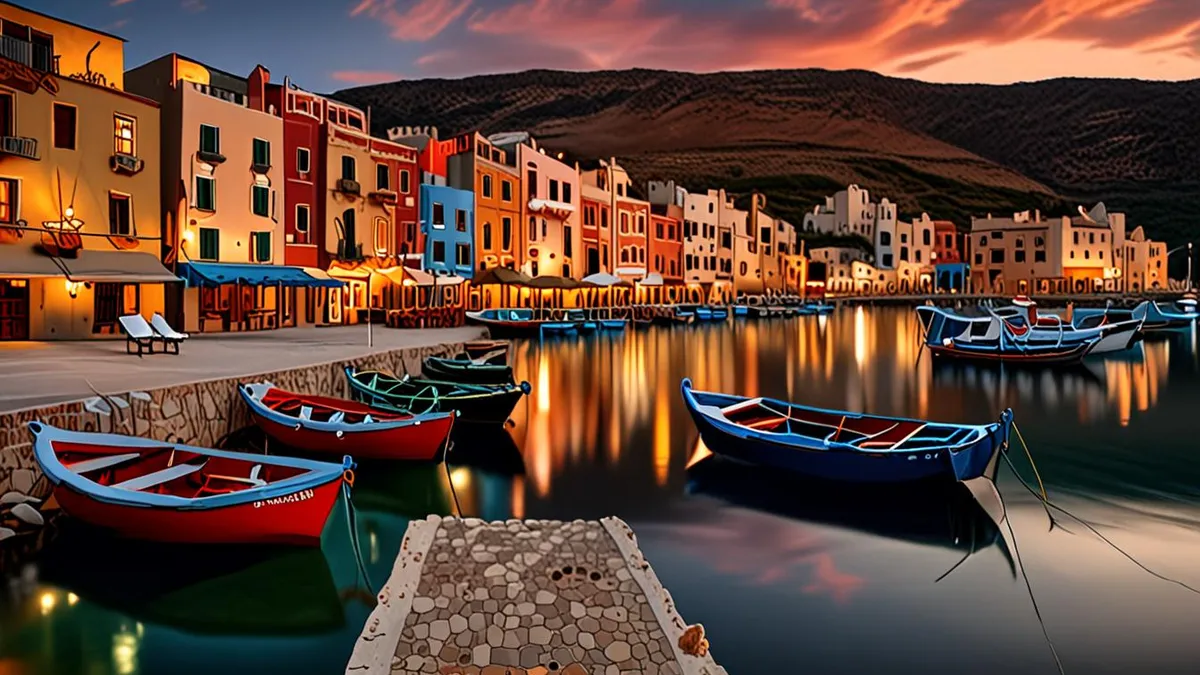
East Crete is where the island slows down and the water calms down. Agios Nikolaos and Elounda anchor the island’s most upscale resort scene, set around the sheltered waters of Mirabello Bay. Luxury hotels here cater to travelers who want polished service, sea-view terraces and calm swimming, and the town of Agios Nikolaos itself adds a pleasant lakeside harbor and waterfront tavernas.
Calm water in peak season
The practical advantage of this coast is shelter. East-coast bays are more protected from the summer meltemi winds that rake the north coast, making them a safer bet for calm-water swimming in July and August. If your trip falls in the height of summer and calm mornings matter to you, the east is worth the extra transfer time.
The quiet far east
Continue past Agios Nikolaos and the resorts thin out fast. The area around Sitia stays low-key even in peak season, with a relaxed harbor town, small beaches and a handful of guesthouses rather than large hotel complexes. It suits travelers who value quiet over amenities and are happy to drive to find dinner options.
The distance trade-off
The catch is simple: you are far from everything else. Reaching Chania’s old town or the west-coast beaches means a 2.5-4.5 hour drive each way, so treat the east as a destination in itself. Base here, explore the eastern end of the island, and save western Crete for a future trip.
South Coast Stays: When and Why to Choose Them
Crete’s southern shoreline looks toward Africa, and that changes the whole rhythm of a stay here. The water is often swimmable from April to early November, which means shoulder-season travelers get real beach days weeks before the north coast warms up. If your trip falls in April, May or October, this is the coast that rewards you.
The trade-off comes in accommodation. You will not find many large hotel complexes here. Instead, expect family-run guesthouses, small boutique stays and simple apartments, often booked out by returning regulars. The resort scene is smaller and more scattered, so availability can be limited in peak weeks even though the coast itself feels relaxed.
Where to base yourself
Palaiochora on the southwest coast is the classic choice: a laid-back village with organized sandy beaches on either side, tavernas along the waterfront and enough cafes and small hotels to make a week easy. Agia Galini on the south-central coast offers a similar mix, with a harbor-side village atmosphere and beaches you can walk to. Both work well as single-base trips rather than jumping-off points.
One practical note: reaching the south coast means crossing mountain roads, and the drives are slow and winding even when distances look short on the map. A rental car is effectively required for any south-coast base, so factor that into your budget and comfort level with hairpin bends.
Because the villages are small, it also pays to book earlier than you might elsewhere on the island. The best-located rooms near the waterfront tend to go first, especially in July and August. If you prefer a quieter stay with more choice, aim for the shoulder months, when the sea is still warm and the villages feel local again.
Matching the Resort Area to Your Travel Season
Crete is a genuinely seasonal island, and the best resort area for you depends as much on your travel dates as on your taste in beaches. The same base that feels perfect in June can feel exposed in August winds or half-shuttered in November. Matching the two is the single most useful thing you can do before booking. It also affects your budget: in July and August, resort prices typically run 40-60% above what the same rooms cost in May or October, so shifting your dates by a few weeks can fund a nicer hotel.
The shoulder months of May, June, September and October deliver warm weather and open beaches at far gentler prices. High season brings the hottest sea, with north-coast water peaking in August, but also the strongest meltemi winds on the north coast, which can churn up waves and cool down swimming days. April and late October are trickier: the north-coast beach resorts are often quiet or winding down, while the south coast and sightseeing-focused trips still work well.
- May and October favor the south coast: the Libyan Sea is often swimmable from April to early November, so a base near Palaiochora or Agia Galini gives you warm-water days when north-coast waters can still feel brisk.
- June and September favor the east: sheltered bays around Agios Nikolaos and Elounda are calm, the crowds are thinner than peak season, and the upscale resorts often release better rates.
- July and August favor wind-tolerant travelers: if you want the fullest beach-club and resort calendar, the north coast delivers, but pick east-facing bays if calm water matters more than nightlife.
- Winter favors the cities: most beach resorts close from November to April, so off-season visitors should base themselves in Chania or Heraklion, where tavernas, museums and shops stay open year-round.
Booking Where to Stay in Crete: Timing and Practical Tips
Crete rewards travelers who book with the island’s rhythm rather than against it. Demand swings sharply between high season and the shoulder months, and the island’s size means your airport choice shapes your whole trip. A few practical steps will keep both your budget and your transfer times under control, and thinking through them before you search for rooms will save you hours of scrolling and second-guessing later.
- Fix your dates before your area. If you are locked into July or August, popular north-coast areas fill fast, and the best-value rooms in walk-to-beach locations go first. Knowing your exact dates also makes it easier to compare areas fairly, since prices and availability shift together across the island.
- Book early for peak season. For July and August stays in popular north-coast areas, booking 4-6 months ahead is typical if you want real choice and reasonable rates rather than leftovers. Early bookers get first pick of the walk-to-beach rooms; late bookers mostly get what is left.
- Stay flexible in the shoulder months. For May, June, September and October trips, you can often book 1-2 months out and still have room to choose between areas rather than settling for what remains. Shoulder-season travelers can afford to be pickier.
- Pick your base by airport. Fly into Chania for the west of the island and Heraklion for the center and east; this avoids transfers that can otherwise eat half a day of your holiday. Chania airport sits about 15 km from the city, making west-coast arrivals especially simple.
- Match the resort strip to your family. The lively, family-oriented strips around Chersonissos, Malia and Agia Marina suit travelers who want action and organized entertainment, while Agios Nikolaos or Rethymno offer a calmer pace with beaches still close at hand.
Once your dates and airport are set, the rest of the decision becomes simple: choose a base within an easy drive of your arrival airport and commit to it. Crete is too large to treat as a day-trip map, and travelers who stay put consistently report better holidays than those who try to chase the whole coastline in a week. One base, chosen well, beats three bases chosen in a hurry.
Wrapping Up Your Crete Resort Choice
Crete is a big island with four very different coasts, and picking the wrong resort area can turn a relaxing trip into a series of long drives or leave you facing a windy beach in a season that does not suit it. The north coast offers the widest resort choice, the south coast the longest swimmable season, and the east the calmest bays. Each rewards a different kind of traveler, so start by deciding which of those matters most to you.
Season shapes the decision as much as location. Shoulder months like May, June, September and October reward flexible travelers with lower prices and quieter beaches, while July and August suit those who want the fullest resort atmosphere and accept the crowds. Whatever time of year you go, picking one base near the right airport keeps the island manageable. If this helped you plan, leave a comment or share the article with a fellow traveler.