You want a lodge stay right by Europe’s great national parks, but it’s hard to know which regions, seasons and booking windows actually deliver. Some areas offer genuine trailhead-side lodges at fair prices, while others push you toward town hotels that add a long drive to every hike. The difference between a great park trip and a frustrating one often comes down to picking the right base before you ever look at trails.
This guide walks through lodges near national parks step by step: why the best ones sell out months ahead, which regions offer the strongest mix of scenery and value, when to travel for hiking or snow, what a night typically costs, and how to book smart. We’ll also help you match the lodge type to your travel style, whether you’re chasing summits, a romantic view or easy family walks. By the end, you’ll have a clear plan for choosing a region, a season and a booking window that fits your trip.
Why Lodges Near National Parks in Europe Book Out Fast
The simplest reason park lodges book out fast is arithmetic. Towns near Europe’s major national parks can have dozens of hotels, guesthouses and apartments, but the number of lodges actually sitting at or near the park boundary is small. A single valley might have only a handful of true park-adjacent properties, so even modest demand empties them quickly.
Demand, meanwhile, is heavily concentrated. The peak lodge season near major European parks runs from June to September, when trails are snow-free and families travel. That compresses an entire year’s visitors into roughly four months, and weekends in July and August disappear first. If you want a summer stay at a popular park, assume the calendar fills far earlier than you’d expect.
Location decides who books first
Not all lodges sell out at the same pace. Trailhead-side locations within 5-15 km of park gates, reachable by car in 10-20 minutes, are the first to go. Travelers who plan long hiking days will happily pay for that proximity rather than stay in a town center an hour’s drive away. Town-center stays, even comfortable ones, linger longer on booking sites simply because they add daily driving to every outing.
The practical takeaway: if trailhead access matters to you, search by distance to the gate, not by town name, and book early. Waiting until spring to reserve a July lodge near a flagship park usually means choosing between leftover rooms and long commutes.
Best Regions for Lodges Near National Parks
Four European regions consistently deliver strong lodge stays near protected landscapes, and each suits a different kind of traveler. The Swiss Alps are the showpiece: mountain lodges perched above valleys, with epic views across protected alpine terrain and trail networks that start practically at the door. If that combination appeals to you, our guide to Switzerland mountain lodges with epic views goes deeper on where to base yourself.
Slovakia’s Tatra region is the value play. You get genuine high-mountain trail access, cable cars and marked routes, while lodge prices sit among the lowest you’ll find in Europe’s mountain areas. Slovenia pairs national park landscapes with a softer setting: lodges around lakes and green valleys, with the mountains close enough for day hikes. Austria offers the widest choice, splitting between lakeside lodges in the salzkammergut-style lake country and mountain lodges in alpine park regions, each giving access to a different kind of terrain.
- Swiss Alps: expect the highest prices of the four, but also the most dramatic ridge and glacier scenery directly from lodge terraces.
- Tatras, Slovakia: ideal if you want serious hiking on a modest budget, with family-run lodges rather than resort complexes.
- Slovenia: the best pick for mixing trail days with lake swims, boat trips and valley cycling.
- Austria: choose lakeside bases for a relaxed, scenic stay or mountain bases for direct high-alpine trail access.
When to Go: Seasons for a National Park Lodge Stay
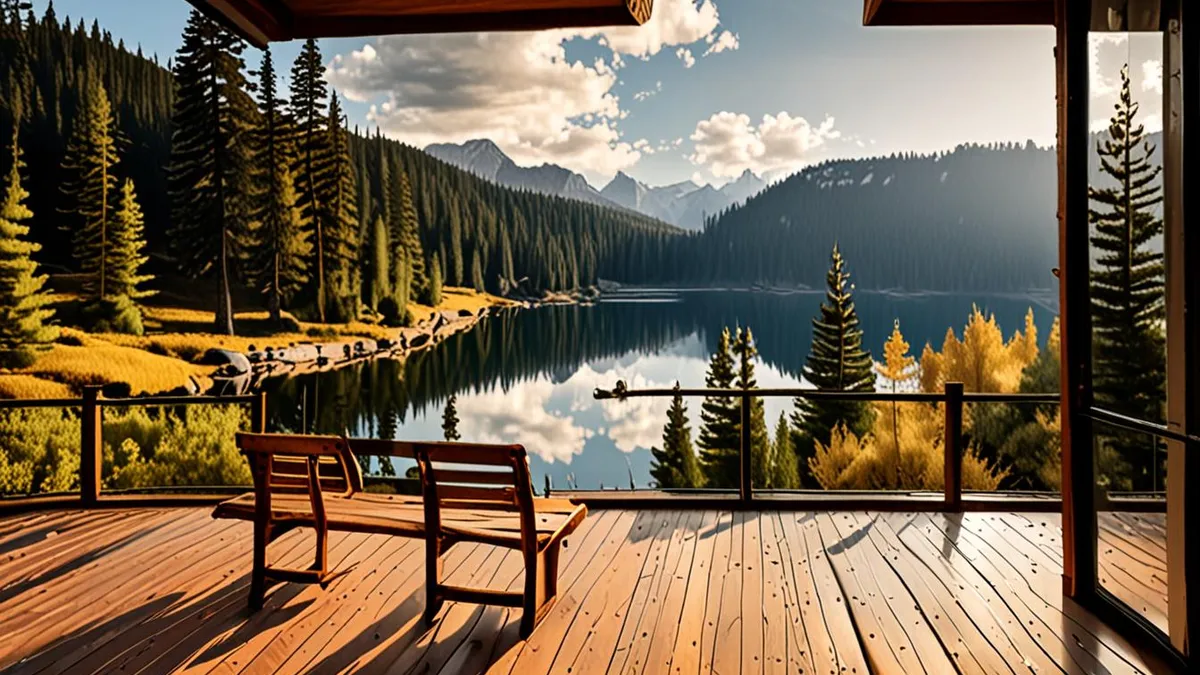
Timing shapes both your experience and your bill. For hiking-focused park stays across most of Europe, June to September is prime time: trails are generally clear of snow, lift systems and visitor infrastructure run at full service, and the long daylight lets you start early and finish late. The trade-off is crowds on popular routes and the year’s highest lodge rates, especially in July and August.
For the Alpine park regions, including Swiss and Austrian ones, December to March is the season that works best. Winter trails, snowshoe routes and frozen landscapes give these parks a completely different character, and a cozy lodge with a fireplace becomes part of the experience rather than just a place to sleep. If that appeals to you, see our guide to Switzerland lodges for cozy winter trips.
The shoulder-season sweet spot
If your dates are flexible, aim for May or the stretch from late September to early October. Rates typically drop by 20-30% compared with peak weeks, trails are noticeably quieter, and in most parks the weather still supports full hiking days. Early October in the Alps can bring golden larch forests and crisp, clear mornings.
One caveat: shoulder seasons can mean reduced services, such as shorter lift operating hours or lodges running on limited schedules. Check opening arrangements for your specific area before locking in dates, especially in smaller villages.
What Lodges Near National Parks Cost
Lodge prices near Europe’s national parks vary far more by season and location than by country. In most regions, a comfortable mid-range lodge within a short drive of the park gate runs €90-180 per night for two people. That usually gets you a solid room, breakfast, and a setting you would pay a premium for in a city.
At the top end, luxury lodges near flagship parks reach €250-500 per night in high season. These tend to come with panoramic terraces, spa areas, and half-board dining, which matters more than it sounds once you see how few restaurants operate near park boundaries.
The single easiest saving is timing. Shoulder-season pricing in May and the weeks around late September and early October typically brings noticeably lower rates, with quieter trails thrown in as a bonus. If your dates are flexible, shifting a trip by two or three weeks can save you the price of an extra night or two.
Prices also differ by country and lodge style. For a detailed comparison of how rates move through the year in one region, see this guide to what lodge stays in Latvia cost by season.
- Half-board often beats eating out: many park lodges include dinner in the rate, and in remote valleys the nearest restaurant can be a 30-minute drive away, making the package genuinely cheaper overall.
- Slope-side and lakefront positions cost more: a lodge with a direct view of a glacier or sitting on a lake shore can sit at the top of its price band, while an equally comfortable lodge two valleys over charges noticeably less.
- Room type changes the price as much as the lodge does: a family room or small apartment typically costs more than a double, but splitting it between four people often brings the per-person cost below that of two doubles.
- Minimum-stay rules appear in high season: some lodges require two or three nights during the busiest weeks, so the advertised nightly rate is not always the rate you will actually pay on a short break.
How to Book a Lodge Near a National Park
Booking a lodge near a national park is less about finding availability and more about finding the right availability. Because park-adjacent properties are few compared to hotels in nearby towns, the best ones disappear early, and a late booking often leaves you with a lovely room an hour from the trailhead instead of the ten or twenty minutes you were hoping for. Vague plans are the enemy here: lodges near popular parks rarely have enough spare rooms to absorb “sometime in July” thinking. A little structure before you search saves both money and disappointment, and the steps below cover the mistakes travelers make most often.
- Lock in your dates before you search. Lodge availability is thin enough that vague plans rarely survive contact with a booking calendar. Know which weeks you can travel, then search those exact dates.
- Reserve 3-6 months ahead for summer stays. For Christmas and February weeks in the Alps, push that to 6-9 months, since winter holiday periods sell out even faster than the hiking season.
- Check the actual driving time to your target trailheads. Don’t trust “near the park” in a listing description. Use a map tool to measure the drive from the lodge to the specific trailhead you plan to use, and aim for under 20 minutes.
- Confirm whether meals are included. Many remote lodges have no restaurants nearby, so a room without dinner can mean a long evening drive or self-catering from a shop that closes early.
- Read the cancellation terms carefully. Mountain weather and road conditions can change plans, so know whether you can shift dates before you commit to a non-refundable rate.
One final habit worth building: after booking, email the lodge directly with your planned hikes. Owners at park-adjacent properties are usually walkers themselves, and their trail advice is often better than anything you will find in a guidebook. They can tell you which parking lots fill by mid-morning, which routes are muddy after rain, and which viewpoint is worth the extra kilometer. It also gives the kitchen a heads-up if you need an early breakfast before a long day on the trails, something smaller lodges are usually happy to arrange when asked in advance. Five minutes of planning now means more time on the trail later.
Choosing the Right Lodge Type for Your Trip
The “best” lodge near a national park depends entirely on what you plan to do once you get there. A property that is perfect for a couple who wants a view and a glass of wine on the terrace can be a poor match for a family with restless kids, and vice versa. Match the lodge to the trip, not to the photos.
If you’re going to hike hard
Prioritize trailhead proximity over amenities. Every minute of driving in the morning is a minute off the trail, and after a long day in the mountains, a 40-minute drive back to a fancy spa loses its appeal fast. Look for lodges within a short drive of the specific gates you plan to use, accept a simpler room if needed, and treat things like pools and restaurants as bonuses rather than requirements. A basic room ten minutes from the trailhead will do more for your trip than a plush one an hour away.
If you’re after views or traveling with kids
Couples and relaxed travelers usually get more value from scenic-view lodges slightly farther from the gates. You trade a bit of trail access for a terrace, a proper dinner, and a setting worth lingering over, which is exactly the point of the trip. Families, on the other hand, tend to do better near park visitor centers and easy walking paths. Kids can burn off energy on flat trails without a full expedition, ranger displays fill a rainy afternoon, and toilets and cafés are close by. A lodge near a visitor center also makes logistics simpler: parking, information, and short walks are all in one place, which keeps the day flexible when weather or moods change.
Wrapping Up Your National Park Lodge Plan
Finding a lodge right by a great European national park comes down to three decisions made in the right order. Pick your region first: the Alps for winter snow and dramatic scenery, the Tatras and Slovenia for genuine value, and Austria for the widest choice between lakeside and mountain bases. Then match your dates to the season you want, whether that is June to September for hiking or the winter months for alpine parks. Finally, lock in your booking 3-6 months out, and earlier for the busiest holiday weeks.
Budget shapes the final picture, but it does not have to limit it. Mid-range lodges typically run €90-180 per night for two, with luxury options near flagship parks reaching €250-500 in high season. If your dates are flexible, the shoulder months can trim 20-30% off those rates while the trails stay quiet. Get these three pieces lined up and the lodge stay you pictured is well within reach. If this helped you plan, leave a comment or share the article with a fellow traveler.