Athens is huge and hilly, so picking the wrong base can turn your trip into long metro rides and noisy nights instead of easy sightseeing and memorable dinners. That’s why figuring out where to stay in Athens matters more here than in many other European capitals. The good news: the neighborhoods that matter to visitors sit close together, and each has a distinct personality.
This guide breaks down the areas worth considering. Plaka and Monastiraki put you steps from the ancient sights, Psirri delivers the city’s best taverna scene, Koukaki offers a quieter residential base near the Acropolis, and Syntagma and Kolonaki cater to travelers who want comfort and polish. We’ll also cover what hotels typically cost and when to book, then help you match a neighborhood to your priorities, whether that’s sightseeing access, food, quiet streets or nightlife.
Where to Stay in Athens: Quick Neighborhood Guide
Athens can look sprawling on a map, but the visitor-relevant part of the city is surprisingly small. Six neighborhoods cover most traveler needs: Plaka, Monastiraki, Psirri, Koukaki, Syntagma and Kolonaki. Because the center is compact, most of these bases keep the Acropolis within a 30-minute walk, which means you can pop back to your hotel for a midday break instead of hauling around sunscreen and water bottles all day.
That compactness also changes how you should think about choosing where to stay. In cities like Rome or Paris, picking the wrong base can add an hour of transit to every outing. In Athens, the differences between neighborhoods are more about atmosphere, noise levels and price than about raw distance. A traveler staying in Koukaki and one sleeping in Psirri can both reach the major ancient sites on foot; what separates them is whether they prefer quiet residential streets or taverna-lined lanes that stay lively past midnight.
The real decision is about priorities, not distance. Before you compare hotel listings, ask yourself what matters most for this particular trip:
- Sightseeing access: Plaka and Monastiraki sit closest to the Acropolis and the ancient agora, ideal if you plan to be out the door by 8 a.m. to beat the crowds.
- Food scene: Psirri concentrates the city’s grill tavernas and meze spots in a few atmospheric blocks, so dinner becomes a short stroll rather than a planned excursion.
- Quiet streets: Koukaki’s residential lanes offer local cafes and a calmer pace, good for travelers who want real neighborhood life after a day of ruins.
- Polish and comfort: Syntagma and Kolonaki bring upscale hotels, refined dining and shopping, better suited to business-plus-leisure trips than old-town charm seekers.
Once you know your priority, choosing between these areas becomes much simpler. You can then filter hotel searches by neighborhood instead of scrolling through the whole city, which saves time and usually surfaces better-priced options. The sections below walk through each one in detail, with the practical trade-offs you will want to weigh before booking.
Plaka and Monastiraki for First-Time Sightseers
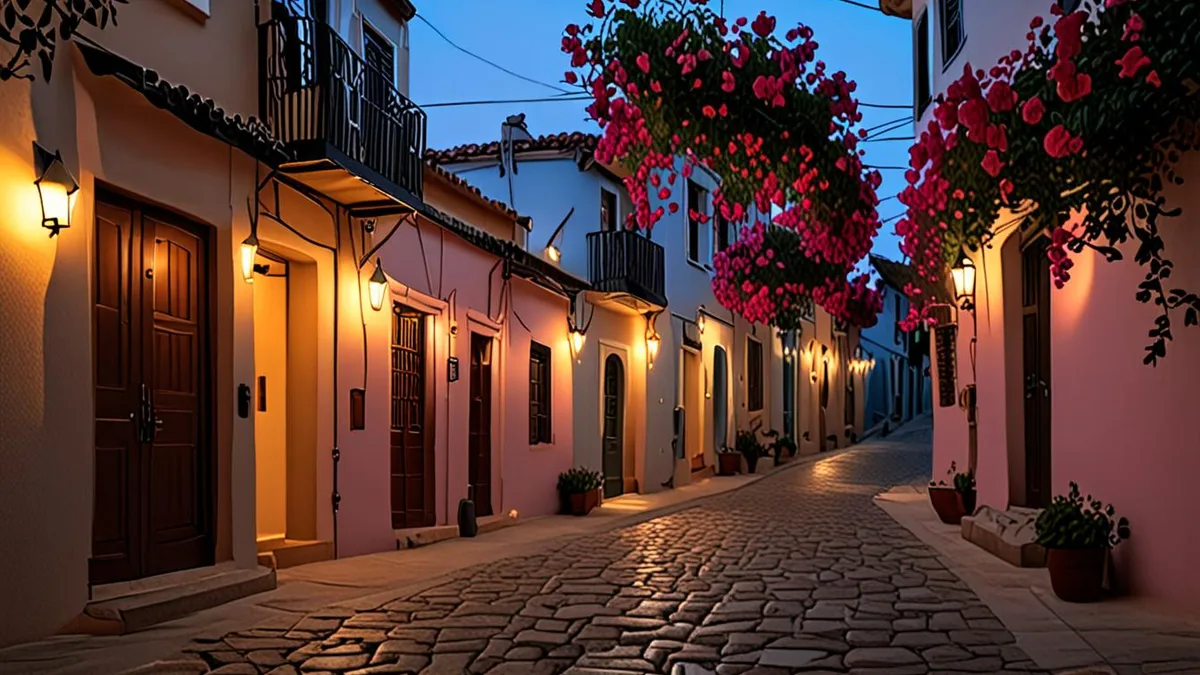
Plaka is the postcard neighborhood of Athens, a maze of neoclassical houses, cascading bougainvillea and stepped lanes spilling down the slope of the Acropolis hill. Its biggest selling point is simple: it sits directly below the Acropolis, roughly a 10-minute walk to the entrance. You can join the first wave of visitors at opening time and be back in your hotel for a late breakfast before the tour groups arrive.
Beyond the ruins, Plaka’s streets themselves are part of the sightseeing. Anafiotika, the tiny island-style quarter tucked under the Acropolis walls, feels like a Cycladic village transplanted into the capital.
Why Monastiraki works as a base
Adjacent Monastiraki adds a different flavor. The area centers on the flea market, where vendors spill antiques, records and souvenirs into the streets, and its rooftop bars look straight across to the Acropolis at sunset. Monastiraki station is a major metro interchange, so arriving from the airport or day-tripping to Piraeus is straightforward.
The trade-off is demand. These two neighborhoods carry the highest hotel rates in the city and the thickest crowds, especially from June to August. If you want the convenience, book early and budget accordingly; if you’d rather have space and quiet, the areas further out may suit you better.
Psirri for Food, Tavernas and Nightlife
Psirri is Athens’ most atmospheric dining quarter, a grid of low-rise streets where grill tavernas and meze spots pack the sidewalks with tables. The air smells of charcoal and grilled meat from late afternoon onward, and it’s the kind of place where dinner easily stretches into a second round of meze and another carafe of wine. If eating well is a priority of your trip, this is the neighborhood to base yourself in.
The noise trade-off
That energy comes at a cost after dark. Streets here stay lively until late, with bars and music spilling out of the tavernas, so light sleepers should choose rooms off the main squares rather than facing them. A hotel on a side street a block or two away gives you the dining scene on your doorstep without the 1 a.m. soundtrack.
Sightseeing stays simple too. Psirri sits within walking distance of Monastiraki, which puts the Acropolis and the major ancient sites an easy stroll away, so you get the central-location benefits without Plaka’s premium prices. For travelers who want hearty food, late-night atmosphere and reasonable rates all in one base, Psirri is hard to beat.
Koukaki: A Quieter Base Near the Acropolis
Koukaki sits about 2 km south of the Acropolis, and the trip into the center takes one metro stop on Line 2. That combination of proximity and distance is exactly what makes the neighborhood appealing: you can reach the major sights in minutes, then come home to streets where actual Athenians live, shop and drink their morning coffee.
The area is made up of low-rise apartment blocks, small bakeries and neighborhood tavernas rather than souvenir shops. You’ll find family-run cafes where prices are noticeably gentler than in the old town, and the pace feels completely different after a hot morning climbing the Acropolis hill.
Why travelers choose Koukaki
Rates tend to run lower than in Plaka or Monastiraki, and the wider streets make parking far easier if you’re picking up a rental car for part of your trip. Apartments and aparthotel-style rooms are common here, which suits travelers staying a week or longer who want space to cook breakfast or do laundry.
The trade-off is atmosphere: you won’t step out of your hotel into postcard views or ancient ruins. But if your priority is calm evenings, local dining and a residential rhythm, Koukaki delivers it while keeping the Acropolis effectively next door.
Syntagma and Kolonaki for Upscale Comfort
Syntagma puts you at the heart of Athens’ transport network. The square is the city’s main metro hub, and the Acropolis is roughly 1.5-2 km away along mostly flat walking routes, so sightseeing stays easy without needing the old town on your doorstep. For many travelers, that balance is exactly the point: you can walk to the major ancient sites in around 20-30 minutes, yet return to a calmer, more orderly base when the Plaka crowds get heavy. Buses and trams also converge here, which makes airport transfers and day trips to the coast or Piraeus refreshingly simple to plan.
One neighborhood over, Kolonaki sits below Lycabettus Hill and plays a different role entirely. This is where Athenians come for designer shopping, refined restaurants and small galleries packed onto elegant side streets. Mornings feel especially pleasant here: grab a coffee on a quiet square, then ride the funicular or hike up Lycabettus for one of the best panoramas over the city and the Acropolis in the distance.
- Business-plus-leisure trips: Syntagma’s metro connections make day trips and airport transfers simple, which matters when your schedule is split between meetings and sightseeing.
- Evening polish: Kolonaki’s cocktail bars and upscale dining rooms offer a dressier night out than the taverna quarters closer to the Acropolis.
- Shopping and galleries: The boutique streets below Lycabettus Hill concentrate Greek and international designers within a few walkable blocks.
- Hotel quality: This zone has a high share of international-chain and design-led hotels, so service standards and amenities skew more polished.
The trade-off is charm. You trade crumbling neoclassical lanes and rooftop Acropolis views for order, comfort and convenience. Rates here tend to sit toward the upper end of the central range, so check current prices before committing. If that trade sounds fair, this is your part of Athens.
When to Book and What Athens Hotels Cost
Athens hotel prices swing sharply with the calendar, so timing matters as much as neighborhood. The shoulder seasons of April-May and September-October bring milder weather and central rates of roughly 80-150 EUR per night. June to August is peak season, when rates climb to around 150-250 EUR per night and crowds reach their maximum. If your dates are flexible, shifting a trip by even a couple of weeks on either side of summer can make a noticeable difference to both your budget and your comfort while sightseeing.
The good news is that Athens rewards early planners. Booking 2-3 months ahead consistently secures better rates for spring and autumn stays, when demand builds steadily but rooms are still available across most neighborhoods. Last-minute deals do appear, but relying on them is a gamble in a city that hosts conferences, cruises and city-break travelers year-round.
- August heat factor: High-season travelers should prioritize rooms with air conditioning and check whether the hotel has an elevator, since many central buildings are older conversions.
- Shoulder-season perks: In April-May and September-October, sightseeing is more comfortable and restaurant tables are easier to get without reservations.
- Rate flexibility: Midweek stays in shoulder season often come in below the 80-150 EUR central average, especially in Koukaki and Psirri.
- Last-minute options: Summer availability tightens first in Plaka and Monastiraki, so late bookers may need to look at Syntagma or Koukaki.
Whatever your dates, compare the total picture: a cheaper room farther from the center can cost you more in metro rides and time than a slightly pricier base near the sights. Check cancellation policies carefully too, since flexible rates often cost a little more but protect you if plans change.
Choosing Your Athens Base
Athens is big and hilly, so the neighborhood you choose shapes your whole trip. Settle somewhere poorly connected and you will spend your evenings on long metro rides instead of strolling to dinner. The good news is that the central districts are compact, so the right choice keeps the Acropolis close and the tavernas closer.
The short version: Plaka and Monastiraki suit first-timers who want the sights on their doorstep, Psirri wins for food and nightlife, Koukaki is the pick for quiet, and Syntagma and Kolonaki deliver comfort and polish. Match the neighborhood to your season and budget using the figures above, and you will have a base that works. If this guide helped you plan your stay, leave a comment or share the article with a fellow traveler.