It happens more often than couples expect: you book a glamping stay that looks dreamy in the photos, then arrive to find tents packed shoulder to shoulder, a shared bathroom block, and neighbors close enough to hear every conversation. What was supposed to be a romantic escape turns into a campsite with nicer furniture. The difference between a magical night under canvas and a disappointing one usually comes down to privacy, setting, and timing.
This guide walks you through couple-friendly glamping from start to finish. We cover what actually makes a stay romantic, how to choose between mountains, lakes, and coast, which season gives you the best mix of quiet and value, and what a good stay typically costs. You’ll also find practical booking questions to ask hosts, destination ideas that suit two, and a simple recipe for putting it all together. By the end, you’ll know exactly how to filter out family-oriented resorts and find a stay built for couples.
What Makes a Glamping Stay Couple-Friendly
Privacy is the single biggest factor that separates a romantic glamping stay from an ordinary one. A couple-friendly unit should be standalone, meaning you don’t share walls, decks, or entrances with other guests. Shared bathrooms are an immediate red flag for a romantic trip: queuing for a shower in the morning kills the mood faster than almost anything else. Ask for the distance to the nearest tent before you book; a truly private unit typically means at least 15-20 meters of space between you and your neighbors.
Beyond privacy, romance comes from a handful of specific features. A real view beats interior decor every time, whether that’s a mountain ridge, a lake, or the sea. A private hot tub or fire pit gives you something to do together in the evening without leaving your unit. And the site’s overall atmosphere matters: quiet, low-key settings away from group areas feel completely different from sites with communal bars and event calendars.
- Adults-only policies: some sites restrict bookings to adults, which removes the noise and energy of family groups entirely.
- Small sites under 10 units: fewer units mean less chance of noisy neighbors and more attention from hosts, often including personal touches like welcome drinks or tailored recommendations.
- Orientation of the unit: a tent or dome facing away from the site’s common areas, paths, and parking gives you natural seclusion even on a moderately busy site.
- Private outdoor space: a dedicated terrace or deck for your unit alone, rather than shared fire pits or communal dining tables, lets you have an intimate evening without strangers nearby.
Choosing the Right Setting: Mountains, Lakes and Coast
The setting shapes the entire mood of your trip, so start by asking what kind of couple you are. If you love dramatic scenery and spend holidays on the trail, alpine domes are hard to beat. The Dolomites and Zermatt both offer high-altitude stays with sweeping views right from your bed, and mornings that begin with hiking boots rather than room service. These destinations suit couples who want the landscape to do the romancing.
For a deeper dive into that region, our guide to glamping in the Dolomites covers the best areas and seasons in detail.
Lake stays for slow mornings
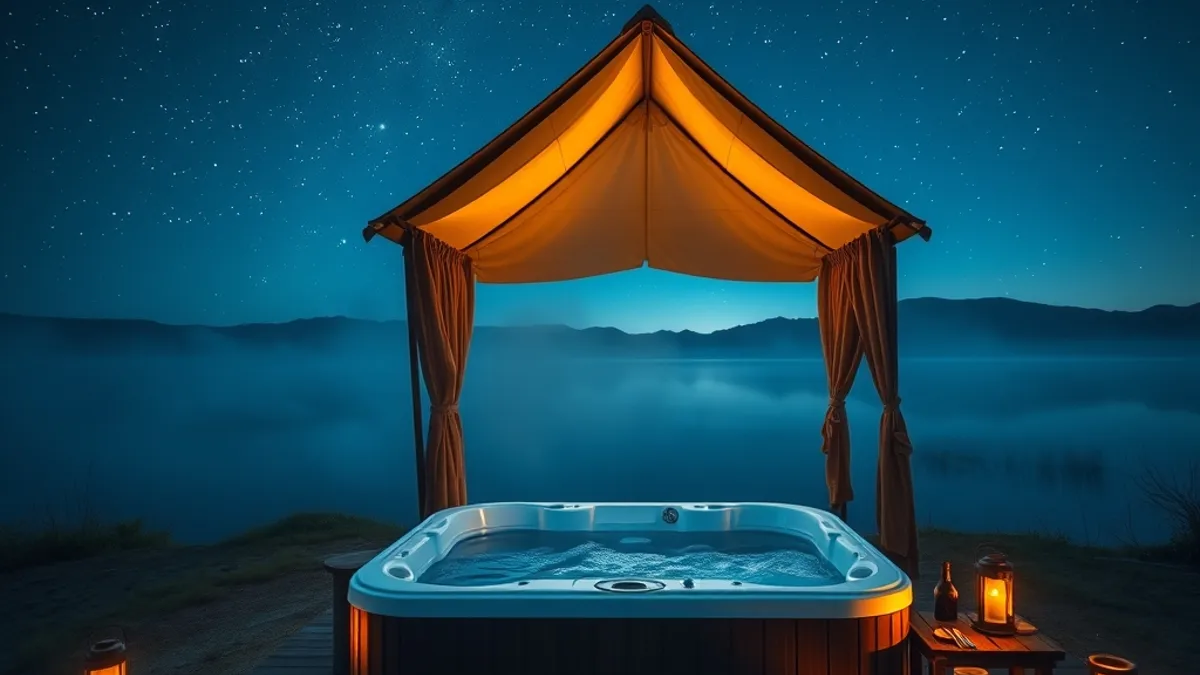
Lake settings work differently. Around Lake Bled in Slovenia, calm water sunrises and misty mornings set an unhurried pace that suits couples who want to linger over coffee on their deck rather than rush out the door. Lake stays generally mean gentler walks, swimming, and rowing, making them ideal if you want romance without a fitness agenda.
Coast and harbor escapes
Coastal and harbor stays are the natural choice for short romantic escapes that combine a city with nature. You can spend a day exploring a harbor town, then retreat to a quiet unit by the water for the evening. These stays typically require the least travel time from home, which makes them perfect for long weekends when you want maximum romance and minimum logistics.
Picking the Season for a Romantic Glamping Trip
Timing changes both the price and the atmosphere of a glamping trip more than almost any other decision. In most of Europe, peak romantic season runs from June to September. You get warm nights, long evenings by the fire, and reliable weather, but you also share the site with more guests and pay noticeably higher rates. If your dates are fixed around summer holidays, book early and prioritize the most secluded units.
Shoulder season is where couples get the best deal. May, early June, and late September bring mild weather, far fewer neighbors, and rates that often run 20-30% below peak prices. You’ll want an extra layer for the evenings, but the trade-off is a quiet site and a premium unit at a mid-range price.
Winter stays in heated domes
Winter glamping is a different kind of romantic: snow outside, warmth inside, and long dark evenings made for the hot tub. Heated domes and cabins make this possible, but demand is high and availability is limited, so plan 2-3 months ahead. Cold-weather packing matters too, and our winter glamping guide covers exactly what to expect and how to pack for sub-zero nights.
How Much Couple-Friendly Glamping Costs
Most couple-oriented glamping in Europe falls between €120 and €300 per night, depending on the country, the season and how much privacy you get. Luxury domes with panoramic windows, en-suite bathrooms and private terraces can exceed €400. Prices are highest in peak season and at small sites with only a handful of units, where demand simply outstrips supply.
The base rate is rarely the whole story. Several extras can quietly add a significant amount to your bill, so it helps to know which ones to expect before you book. If you want a fuller breakdown of how these prices vary across the continent, our guide on glamping costs in Europe covers the details.
- Private hot tubs: often the single biggest add-on, and some sites charge it as a mandatory supplement on their most romantic units rather than an optional extra.
- Breakfast add-ons: usually priced per person per day, which adds up quickly over a multi-night stay for two compared with buying supplies locally.
- Midweek surcharges at small sites: counterintuitive, but tiny properties with only a few units sometimes raise midweek rates because they rely on fewer bookings overall.
- Cleaning or linen fees: occasionally added for short stays of one or two nights, worth checking before you commit to a quick getaway.
Shoulder-season midweek dates are the easiest way to get a premium unit within budget. Booking a dome from Monday to Wednesday in May or late September often means the best units are available and rates are noticeably kinder than peak weekends.
Booking Smart: Timing and Questions to Ask
The best units at the most romantic sites are usually the first to go, so a little planning goes a long way. The process itself is simple, but the questions you ask before paying make the difference between a truly private escape and a tent wedged next to a family campground. Think of this as a short checklist to run through with any host before you commit a deposit. It takes ten minutes, and it protects the one thing that matters most on a couples’ trip: quiet, uninterrupted time together.
- Book summer weekends 3-6 months ahead. June to September is peak season, and the most private standalone units at small sites are typically reserved first. Early booking gives you the pick of orientation, views and spacing rather than what is left over. If your dates are flexible, a midweek stay in May, early June or late September is often easier to secure and usually cheaper.
- Ask the host about distance to neighbors. A useful benchmark for genuine privacy is at least 15-20 meters between units, with no shared bathrooms. Hosts who know their layout well can tell you exactly which unit offers that, and which ones sit closer to the entrance or the car park.
- Check what facilities are shared. Some sites mix private domes with communal kitchens, fire pits or washing facilities. Ask which areas are yours alone and which you will share with other guests, especially if a private hot tub or terrace is part of why you chose the place.
- Ask about nearby group bookings. Small sites sometimes host celebrations or group reservations that can carry noise late into the evening. A direct question usually gets an honest answer, and it may prompt the host to place you on the far side of the site.
- Confirm heating or cooling for your dates. This matters most for shoulder and winter trips. Heated domes book up far in advance, and a glamorous-looking unit without adequate heating can make a cold night miserable. Ask how the unit is heated and whether extra blankets are provided.
One short email covering these points will tell you a lot about a host. Prompt, specific replies are a good sign; vague answers about spacing or facilities usually are not. If a host hesitates on the distance question, treat that as useful information and keep looking elsewhere.
Destination Ideas That Suit Two
A few destinations consistently deliver for couples, each with a different flavor of romance. The right choice depends on whether you want luxury, seclusion or a balance of both. All three options below work well for short breaks as well as longer trips, and each rewards a slightly different travel style.
- Monaco and Monte Carlo: a luxury coastal escape where glamorous glamping-style stays pair with harbourside walks, fine dining and the Mediterranean as your backdrop, ideal for couples who want indulgence with their scenery. Days can mix beach time with evening dinners overlooking the water, so you never run out of things to do together.
- Black Forest, Germany: dense forest, winding trails and a strong tradition of small, quiet accommodation make this a nature-first retreat where units sit far apart and evenings are for fires and stargazing rather than crowds. It suits couples who value slow mornings, long walks and early nights over nightlife.
- Azores, Portugal: remote Atlantic islands with crater lakes, hot springs and very few neighbors, suited to couples who want dramatic landscapes and genuine quiet over restaurants and nightlife. Expect changeable weather, so pack layers and plan flexible days.
- Slovenia around Lake Bled: calm water, island churches and mountains on the horizon, with the advantage of easy day trips to Vintgar Gorge, Bohinj and Ljubljana when you want more than slow mornings. It is the most varied option, blending romance with plenty of activity.
If you are torn between them, a simple rule helps: choose the coast for glamour and shorter stays, the forest or islands for deep quiet, and Slovenia for the best mix of romance and things to do. Couples who love hiking lean toward the Black Forest, while food-focused pairs will get more from Monaco. Whichever you pick, the same booking principles apply, so verify privacy and facilities with the host before you pay.
The Recipe for a Romantic Glamping Stay
The reason so many glamping trips disappoint is simple: photos show a candlelit dome, but the reality is a busy site with thin walls and neighbors a few steps away. The fix starts with privacy. Choose a standalone unit with its own bathroom and real distance from the next tent, and check that the site itself is small or adults-only.
From there, match the setting to your style, whether that is mountain views, a calm lakeshore or a coastal escape, and aim for shoulder season to get better rates and quieter grounds. If you have your heart set on a peak summer weekend, book several months ahead, and always confirm heating, hot tubs and noise with the host before paying a deposit. Have a romantic glamping tip of your own? Share it in the comments or pass this article along to your travel partner.