Figuring out where to stay in Stockholm can feel trickier than it should. The city spreads across 14 islands, each with its own character, and picking the wrong district can mean long commutes to the sights or missing out on the evening atmosphere you were hoping for. A hotel that looks central on the map might sit far from the restaurants and viewpoints you actually want.
This guide breaks down Stockholm’s main districts one by one: medieval Gamla Stan, the practical city center around Norrmalm, creative Södermalm, and the elegant, green side of Östermalm and Djurgården. You’ll also find advice on when to book and what to pay, plus a quick matching section to pair each district with your travel style, whether you’re chasing sights, nightlife, museums or a budget-friendly base.
Gamla Stan: Staying in the Old Town
Gamla Stan sits on the island of Stadsholmen, and it looks exactly like the Stockholm on the postcards. Medieval lanes wind between pastel merchants’ houses, and much of the old town is surrounded by water, so waterfront views are common from hotels and restaurants alike. Steps from your door you’ll find Stortorget square, the Royal Palace and a dense cluster of cafés and souvenir shops.
Who it suits best
This is the district for first-time visitors who want to maximize sightseeing time. The Royal Palace, the old town’s churches and the main photo spots are all within easy walking distance, and you can duck back to your hotel between attractions without planning around transport.
What to expect from the hotels
Most hotels here occupy converted historic buildings, which means plenty of charm but also narrow rooms, occasional steep staircases and small elevators. Weekend prices tend to run higher than midweek, so if your dates are flexible, shifting a stay by a day or two can make a difference. Check room sizes carefully before booking if you’re traveling with large suitcases or a family.
One trade-off to know about: Gamla Stan can feel touristy during the day, and after the shops close in the evening it gets noticeably quiet. If you want buzzing bars and restaurants at night, you may prefer to sleep elsewhere and visit the old town on foot during the day.
Norrmalm and City Centre: The Practical Base
Norrmalm is Stockholm’s modern heart, where you’ll find the main shopping streets including Drottninggatan, department stores and the city’s biggest transport hub, Stockholm Central Station. If you’re arriving via the Arlanda Express, which reaches the city center from the airport in about 18 minutes, you can step off the train and be at your hotel within minutes.
Which travelers will feel at home here
Norrmalm works brilliantly for short stays. If you have two or three nights and want to spend your time sightseeing rather than commuting, Norrmalm puts you within walking distance of Gamla Stan while keeping transport connections excellent for day trips and airport transfers.
What you’ll pay and what you’ll get
Central double rooms in this part of town typically run 1,500–2,800 SEK per night, though rates shift with season and demand, so check current prices for your dates. The trade-off is atmosphere: Norrmalm has fewer historic charms than the old town, and much of it feels like a modern business and shopping district.
What you gain is choice. This area has the widest selection of mid-range hotels in the city, from dependable chains to design-focused properties, which makes it easier to match a room to your budget. Business travelers will appreciate the proximity to the station and conference venues, while city-hoppers on a tight schedule will love how little time gets lost in transit.
A few practical tips: if you’re dragging luggage from the station, pick a hotel on the station side of the district rather than a few blocks out. And if your room faces Drottninggatan, ask for something quieter at the back, since the shopping street stays lively into the evening. If you value convenience, reliable transport and a broad hotel market over cobblestones and views, Norrmalm is the sensible pick.
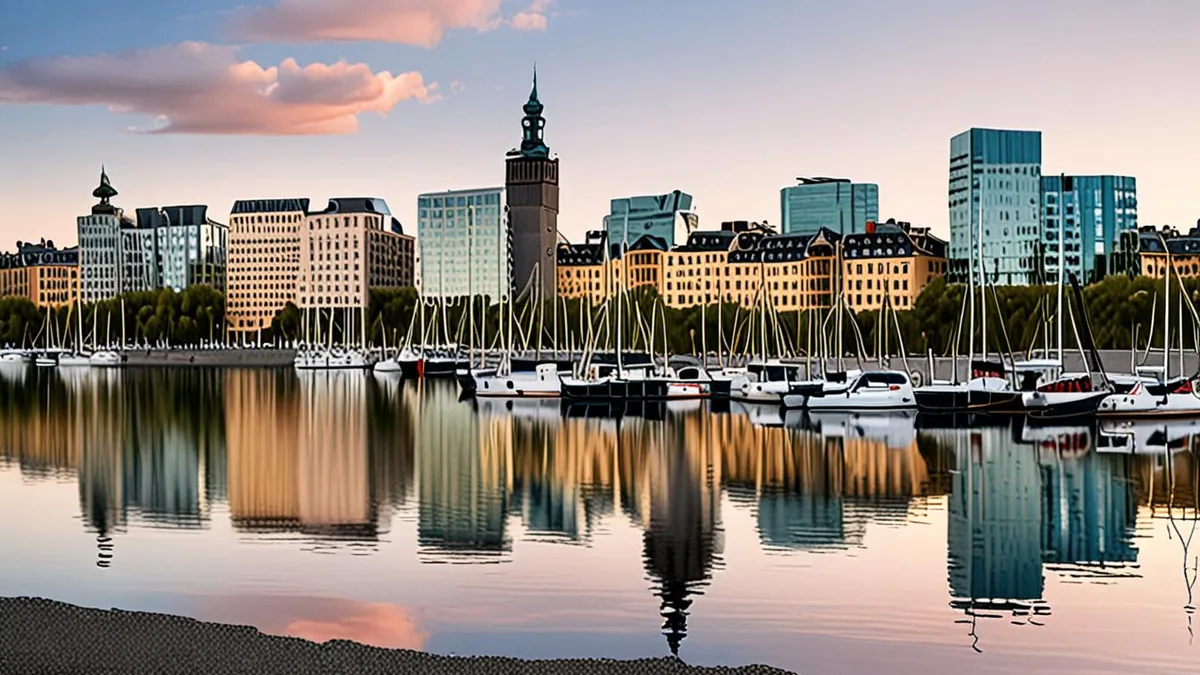
Södermalm: Creative South Island Vibes
Södermalm, the large island just south of the center, is where Stockholmers go for independent cafés, vintage shops and a more local rhythm. The streets are lined with small boutiques, record stores and neighborhood restaurants, and viewpoints like Monteliusvägen give you one of the best panoramic views over Gamla Stan and the water beyond, especially at sunset.
Who it suits best
Choose Södermalm if you want nightlife and a local feel over postcard sights. Bars, live music venues and restaurants stay lively into the evening, and the district has a creative, relaxed atmosphere that the old town can’t match. You’ll trade convenience for character, and many travelers find that a fair swap.
Getting there and getting around
Södermalm is roughly a 15–20 minute walk from Gamla Stan across the bridges, so the old town’s sights remain easily reachable on foot. The metro (Tunnelbana) also serves the island well, with several stations dotted across it.
One practical note: Södermalm is hilly, and some streets climb steeply from the water up to the ridge. When picking a hotel, check its distance to the nearest metro station, especially if you’re carrying luggage or visiting in winter. A hotel a few minutes from a station will make your evenings and mornings much easier than one halfway up a long flight of stairs.
Östermalm and Djurgården: Elegant and Green
Östermalm is Stockholm’s polished side. Wide avenues lined with elegant apartment buildings, quiet residential streets and refined dining rooms make it feel a world away from the souvenir shops of the old town. Upscale shopping centers around the area near Biblioteksgatan, and the food scene leans toward classic Swedish cuisine done with care.
Next door, the island of Djurgården is Stockholm’s green playground. This parkland island holds some of the city’s best-loved museums, including the Vasa Museum with its remarkably preserved 17th-century warship and Skansen, the open-air museum and zoo. Families with children and museum-focused visitors will find more here than anywhere else in the city, and you can easily fill several days without leaving the island.
Who this area suits
This is the base for travelers who value calm evenings over nightlife. After the museums close, the streets quiet down and restaurants fill with locals rather than tour groups. If you like the idea of returning to a peaceful room after a full day of sightseeing, this is your district.
The trade-off is location. The green setting means slightly longer metro or tram rides to reach Gamla Stan and the city center, so factor extra travel time into your plans. If you’re comparing calm, residential districts in other European capitals, the same logic applies when choosing between neighborhoods, as we explain in our guide to Vienna hotels for first-time visitors.
When to Book and What to Pay
Stockholm hotel prices swing noticeably with the seasons, so timing your booking matters almost as much as picking the right district. The pattern is fairly predictable, and a little planning goes a long way. The city has 14 islands, and demand behaves differently on each one, but the seasonal rhythm applies across the board. Here’s how to approach it.
- Identify your travel window first. Peak season runs from June to August, when long daylight hours draw the biggest crowds and push rates to their highest. Shoulder months like May and September offer milder prices and noticeably fewer tour groups on the same streets.
- Book 2–3 months ahead for summer stays. Central hotels fill early for the peak season, and reserving 2–3 months in advance secures better rates than waiting until the last minute. This lead time matters most for small properties in Gamla Stan, which have limited room counts and tend to sell out first.
- Set a realistic budget for central districts. A central double generally falls somewhere between 1,500 and 2,800 SEK per night, depending on the season and how close you are to the water. Knowing this range helps you spot a genuine deal versus an inflated summer price.
- Adjust your strategy for winter trips. December brings around 6 hours of daylight, so prioritize well-lit central districts where you can walk to dinner and sights without long dark commutes. Rates are often softer then, which partly compensates for the short days.
One last tip: prices can vary noticeably between booking platforms and direct hotel websites, so compare both before committing. Signing up for a hotel’s newsletter occasionally unlocks member rates, and flexible cancellation is worth a small premium if your dates might shift, especially for summer travel when demand is highest. Check current rates close to booking, as they change with the season.
Matching a District to Your Travel Style
With several distinct districts to choose from, the right base in Stockholm comes down to how you like to travel. A couple on a food-focused city break wants something very different from a family with museum passes and early bedtimes. Think about your top two or three priorities before you book, then match them to a district rather than chasing the cheapest rate anywhere in the city.
It also helps to be honest about how you’ll spend your evenings. Some travelers love stepping out of the hotel straight into restaurants and bars; others would rather have silence and a short metro ride into town the next morning. Your energy levels matter too: if you plan long days on your feet, staying near the sights saves precious minutes, while a quieter neighborhood can make up for the extra commute with better sleep and lower rates. Here’s a quick way to narrow it down:
- First-timers prioritizing sights: Gamla Stan or Norrmalm keeps the Royal Palace, the old town lanes and main transport connections close at hand, so you spend your time sightseeing instead of commuting.
- Food, nightlife and local atmosphere: Södermalm delivers independent cafés, vintage shops and a lively bar scene, and it’s an easy walk across the bridges when you want the postcard views of the old town.
- Families and museum lovers: Östermalm or a hotel near Djurgården keeps you close to the Vasa Museum and Skansen while offering quiet residential streets for restful evenings.
- Budget-conscious travelers: Look at Vasastan or Kungsholmen just outside the core, where room rates tend to be gentler and metro connections keep the main sights within easy reach.
Whichever direction you lean, remember that Stockholm is compact. Even if you choose a district slightly off your ideal, the metro and bridges make it easy to reach everything else without much effort.
Choosing Your Stockholm Base
Stockholm spreads across 14 islands, and picking the wrong district can turn a short trip into a series of long commutes and quiet evenings away from the atmosphere you came for. The good news is that each island offers a distinct base, from medieval Gamla Stan to green Djurgården, so there is a natural fit for almost any travel style.
Before you book, think about how you will actually spend your days. If museums and palaces fill your itinerary, staying near the water in the old town or on Djurgården saves you repeated crossings. If you care more about evening energy, cafés and bars, the southern island gives you that local pulse while keeping the sights within a short walk across the bridges.
Timing matters just as much as location. Summer brings long daylight but also the crowds and the highest rates of the year, so reserve your room well in advance if you want a central base in July. Traveling in May or September often means milder prices, thinner crowds and weather that is still pleasant for walking between islands.
Match the district to your priorities, whether that is sights, nightlife, museums or budget, and your base will do half the sightseeing work for you. If this guide helped you plan your stay, leave a comment or share it with a fellow traveler.