Teens are too old for playgrounds and too quick to call a nature trip boring, which makes glamping with teens a very different challenge from a trip with little ones. The good news is that older kids often love the outdoors once the trip gives them independence, a bit of adventure and something to do after dark. The trick is choosing the right site and planning around what actually interests a 13 to 17 year old.
This guide walks through what makes glamping with teens different, how to pick a site with facilities they will genuinely use, and which outdoor activities keep older kids busy from morning to campfire. We also cover handling screens and patchy Wi-Fi, when to book for the best weather and availability, and the packing extras that save arguments in the tent. By the end, you will have a practical plan for a trip your teens will remember for the right reasons.
Why Glamping With Teens Is Different From Younger Kids
Teens want independence and challenge, not playgrounds and craft sessions. A ten-year-old is happy with a sandpit and a coloring sheet; a fourteen-year-old wants to paddle a kayak on their own, cook something over the fire and stay up later than their younger siblings. If your itinerary treats them like small children, expect eye-rolling by day two. Build in real responsibility instead: let them carry the map, light the BBQ or plan one whole day of the trip.
Space to roam matters more than any single facility. Teens value being able to wander between the tent, the fire pit and common areas without an adult shadowing them every step. A compact site where everything is a short, safe walk apart gives them that freedom while keeping you relaxed. When comparing sites, look at the layout as much as the activity list.
Involve Them Before You Leave
Involve teens in planning the itinerary so they feel ownership of the trip. Sit down together a few weeks before departure and let each teen pick an activity or a day trip from your shortlist. If one chooses the bike trail and the other picks the lake afternoon, they are far less likely to complain about either. Ownership turns reluctant passengers into invested participants.
Set expectations together before departure as well. Agree on screen time rules, chores and free time as a family, and write them down if it helps. Teens respond better to rules they helped create, so negotiate rather than dictate: maybe phones stay off during activities and after dinner, but they get full freedom during downtime. Sorting this out at home prevents most tent-side arguments later.
Choosing a Glamping Site With Teen-Friendly Facilities
The fastest way to judge whether a glamping site suits teens is to look at where they will hang out. Fire pits, BBQ areas and communal spaces should sit at the top of your checklist, because these are the spots where teens socialize, toast marshmallows and stay up talking long after younger kids are asleep. A site with a central fire pit often becomes the natural evening hub, and that is exactly what you want.
On-site activities are the second filter. Archery ranges, bike hire, climbing walls and game rooms give teens something to do between meals without you driving anywhere. If the site offers equipment rental, you also avoid cramming bikes or paddles into the car. Before booking, it helps to understand what facilities actually mean in practice, so skim a guide to glamping bathrooms and kitchens explained and compare it against what each site advertises.
Wi-Fi deserves a specific question, not an assumption. Many sites cap it or offer it only in common areas, which can be a feature rather than a flaw, but your teens should know before arrival. Ask where the signal reaches and whether it is included or paid separately.
- Safari tents and lodges with separate sleeping areas: a screen or partitioned corner gives teens privacy to read, message friends or sleep in without everyone waking at dawn.
- Covered outdoor space like a veranda or deck: this extends the living area and gives teens their own zone when the tent feels crowded on a rainy afternoon.
- Nearby food options or a shared kitchen: older teens appreciate the chance to prep their own snacks or cook one meal themselves, which doubles as a small independence win.
- Laundry or drying facilities: useful when teens cycle, swim or hike daily and pack light, sparing you a car full of damp clothes on the drive home.
Outdoor Activities That Keep Older Kids Busy
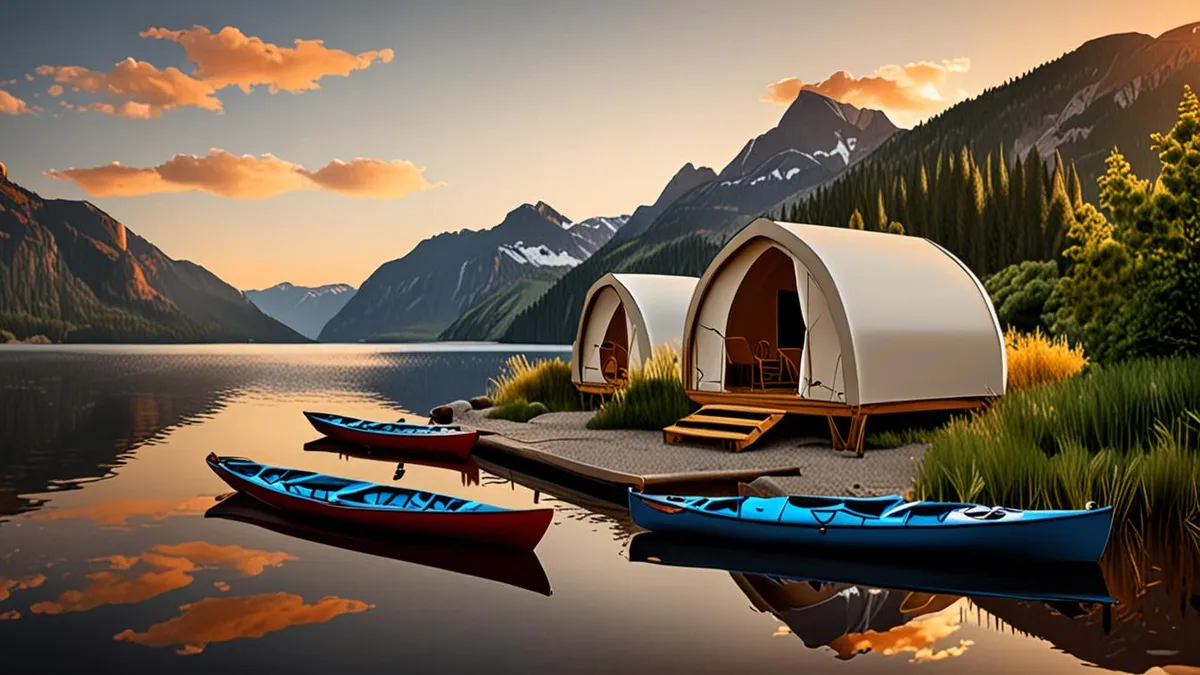
Older kids need movement, and the best glamping trips build the day around it. Water sports are the obvious draw in summer: kayaking, paddleboarding and wild swimming work best from June to September, when water temperatures top 15°C and a capsize is fun rather than miserable. Many lakeside sites rent equipment by the hour, so teens can head out for a paddle without a full-day commitment.
Land-based adventure works just as well. Trails within 30 minutes of the site keep active teens happy, because a short drive means more time riding or hiking and less time strapped into the back seat. For thrill-seekers, climbing walls, zip-lining and high-ropes courses are usually the trip highlights, and many outdoor centers cater to complete beginners with harnesses and instruction included. If you are weighing a tent against four solid walls, it is worth reading how glamping compares to cabins for a nature break, since access to activities often differs between the two.
Do not overlook the evening hours, which are when teens actually come alive. Campfire cooking, stargazing and night hikes use those late hours well and cost nothing extra.
- Give each water session a goal: racing paddleboards to a buoy or paddling to a small beach turns an hour on the lake into a challenge rather than a chore.
- Let teens lead a night hike: handing them the map and head torches adds responsibility and makes the dark feel exciting instead of tedious.
- Plan a campfire cook-off: foil-packet meals or skewers where each teen invents their own combination turn dinner into a competition they will talk about for weeks.
- Download a stargazing app in advance: rural skies often lack light pollution, and identifying constellations together gives screen time a purpose outdoors.
Handling Screens and Wi-Fi on a Glamping Trip
Let’s be honest: no amount of fresh air will keep a teenager happy if their phone dies on day two. Before you leave home, download films, playlists and offline games onto every device. Rural glamping sites often have patchy signal at best, and where Wi-Fi exists it is frequently limited or restricted to shared spaces, so assume you will be offline more than online.
Agree on a screen budget
The smoothest trips are the ones where the rules are set before departure, not argued about in the tent. Agree on a simple screen budget together: phones off during activities and after dinner works well for most families. Because teens helped set the rule, they are far more likely to stick to it than if it were imposed on them.
Used well, screens can actually make teens more engaged, not less. Hand over photo editing duties or let them vlog the trip, and suddenly they are participants documenting the adventure rather than spectators scrolling through it. You may even end up with a decent family video out of it.
Finally, pack the charging gear. Bring a portable charger for each teen and one shared power bank for the tent, because a single outlet and multiple devices is a guaranteed source of disputes. A solid packing list saves arguments before they start, so it is worth checking a practical glamping packing checklist before you zip up the bags.
When to Go and How to Book for a Teen-Friendly Trip
Timing makes a big difference when your travel companions are teenagers. The school holidays in July and August offer the warmest weather and the fullest activity calendars, which matters when your teens want to fill every day with kayaking, biking or climbing. Many sites also run their best evening entertainment during peak season, and evenings are exactly when teens come alive.
Book early or miss out
Peak-season glamping sites typically fill 3-6 months ahead, and family units sell out first. If you want a safari tent or lodge with a separate sleeping corner for the kids, book as soon as your dates are fixed. Expect roughly €120-€300 per night for family glamping in summer, depending on the site and the size of the unit.
If your dates are flexible, the shoulder season of May, June and September is worth considering. Sites cost less and are noticeably quieter, which gives teens more freedom to roam without you worrying about crowds. Water temperatures may still be on the cool side early in the season, so check what activities actually run before committing.
One last practical tip: read the cancellation terms carefully. If you are booking around exam results or dates that might shift, flexible booking can save you both money and stress. A slightly higher rate with free cancellation is often the smarter choice for families with older kids.
Packing Extras That Make Glamping With Teens Easier
Packing for teens is a different game than packing for little kids. They need fewer toys and more gear that supports their independence, especially once the sun goes down and the tent becomes the social hub. A few well-chosen extras can be the difference between bored grumbling and a trip they actually talk about afterwards.
Start with tent downtime. A deck of cards, a couple of travel games and a Bluetooth speaker transform rainy afternoons and pre-sleep hours. The speaker matters more than you might think: teens sharing a playlist around the fire pit feel like they are running their own evening, which is exactly the independence they are after.
Then think about the practical items that let teens roam without you shadowing them, and the ones that save your sanity when mud and water are involved:
- Head torches for each teen, so they can walk between the tent, the washblock and the fire pit after dark without an adult escort or a phone flashlight draining the battery
- Quick-dry towels, which pack small and mean nobody is wrapping up in a damp beach towel after a swim or a downpour
- Spare shoes, ideally cheap slip-ons or old trainers, because water sports and muddy trails will claim at least one pair and you do not want that pair to be their only ones
- Zip-lock bags for wet kit, keeping soggy swimwear away from dry clothes in shared bags
Finally, hand over the responsibility. Let each teen pack their own bag using a shared checklist you put together together. They will grumble, but it builds real ownership of the trip, and it means they cannot blame you when they forget their charger.
Wrapping Up Your Teen Glamping Trip
So how do you keep a teen entertained on a glamping break when the sight of a tent usually earns an eye-roll? The short answer: pick the right site, plan around them rather than for them, and accept that a good trip with teenagers looks different from one with younger kids. Glamping can work brilliantly at this age, but only when the setup matches what teens actually want from a holiday.
The rest of this guide walks through the details: what makes glamping with teens different, which facilities and activities matter most, how to handle screens without a standoff, and what to pack so small frustrations do not turn into big ones. Get those pieces right and you might end up with a trip they talk about long after you are home. Have you tried glamping with your teens? Share your experience in the comments or pass this article along to another family planning their trip.