Figuring out where to stay in Mallorca is trickier than it looks on a map. The island has dozens of villa areas spread along four very different coastlines, and picking the wrong one can quietly ruin an otherwise perfect holiday. A couple craving a smart harbor might end up on a family beach strip, while a family with toddlers can find themselves a long drive from any sand at all.
This guide breaks the island down by coast so you can match the area to your travel style before you fall in love with a particular villa. We compare the southwest, north, east and south coasts, look at what each does best, and cover realistic price ranges and booking lead times. By the end, you should know exactly which stretch of shoreline deserves your week — and which ones to leave for another trip.
Why the Coast You Choose Shapes Your Whole Mallorca Villa Holiday
Mallorca is not one holiday destination but four, and the differences between its coasts are bigger than most first-time visitors expect. The southwest, south, north and east each have their own scenery, drive times from Palma airport and atmosphere. A villa that looks identical on a booking site can deliver completely different holidays depending on which shoreline it sits on.
The southwest is the island’s glamorous side, where the Tramuntana mountains tumble down to smart marinas and hillside pools. The north is built around long sandy beaches and shallow bays, which is why families return there year after year. The east is all about quiet coves — small calas tucked between pine forest — with a slower, more local rhythm. And the south keeps things simple: the shortest transfer from the airport and easy access to Palma itself.
Why the villa alone isn’t enough
It’s tempting to shop purely on villa features: how many bedrooms, how good the pool photos look, whether there’s a barbecue terrace. But a stunning villa an hour’s drive from everything you want to do will frustrate you by day three. Beach choice, restaurant options and drive times are decided by the coast, not the property.
So start with your travel style, then narrow down to a zone, and only then start comparing individual villas. Get that order right and almost any decent property in the right area will deliver a better holiday than a spectacular one in the wrong one.
Southwest Coast: Port d’Andratx, Santa Ponsa and Puerto Portals
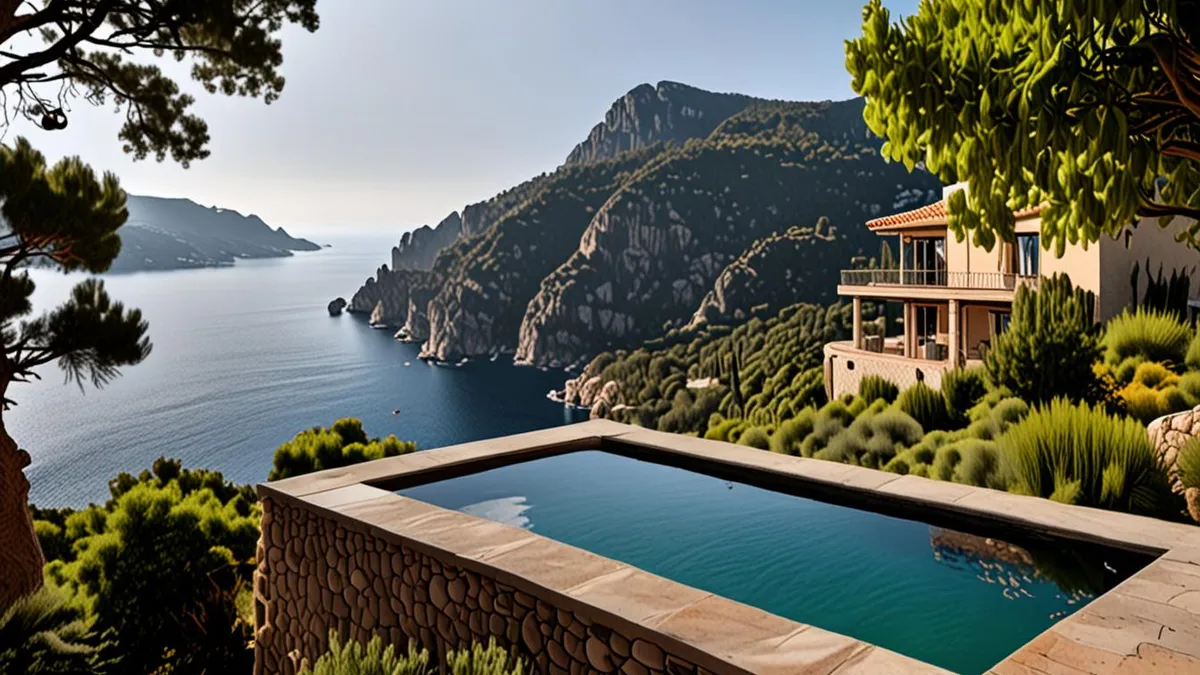
The southwest coast is Mallorca at its most polished. Here the Tramuntana foothills sweep down to the sea, giving villa plots dramatic backdrops, terraced hillsides and views over water that turns deep blue within meters of the shore. All that scenery comes at a price: this stretch commands some of the highest villa rates on the island, and competition for the best properties is fierce in summer.
Port d’Andratx, Santa Ponsa and Puerto Portals
Port d’Andratx is the choice for couples who want a smart harbor setting — waterfront restaurants, yachts, and villas climbing the surrounding hills. It’s grown-up and relaxed rather than lively, and evenings tend to revolve around long dinners by the water. If that mix of scenery and sophistication appeals, it’s the same formula that makes travelers compare it with the thinking behind choosing a villa on a Greek island: pick the setting first, the property second.
Santa Ponsa and Puerto Portals add more infrastructure to the mix. Both have marinas, golf courses nearby and a solid spread of restaurants, which makes them practical bases for groups who want facilities on the doorstep rather than a remote hideaway. Puerto Portals in particular has an upscale marina scene, while Santa Ponsa is a bit more easygoing.
Budget accordingly. For a quality villa here in July and August, expect roughly €4,000–€10,000+ per week, with hillside view properties at the top of that range. Palma airport is a comfortable 30–45 minute drive away, which is one reason this coast stays popular with shorter-stay visitors.
North Coast: Alcúdia, Pollença and Port de Sóller
The north coast is where Mallorca slows down and turns green. Vineyards and olive groves replace the marina glamour of the southwest, and the Tramuntana mountains sit close enough to dominate the horizon. Drive time from Palma airport is around 45–60 minutes — longer than the southwest — but the trade-off is a noticeably calmer, more rural feel the moment you leave the motorway.
Alcúdia bay: the family favorite
Alcúdia bay is the island’s most family-friendly villa zone, and it isn’t close. The water stays shallow far out from shore, so small children can paddle safely, and the sandy beach runs an impressive 10–12 km along the bay. Villas here put you minutes from that sand, and the old walled town of Alcúdia adds markets, restaurants and evening strolls to the mix.
Pollença and Port de Sóller
Pollença suits travelers who want character first: a cobbled old town, a famous staircase climbing to a hilltop chapel, and easy access to the walking trails of the Tramuntana. Nearby Port de Sóller pairs mountain-and-sea scenery in a way few Mediterranean spots can match, with a horseshoe bay framed by peaks. Walkers, cyclists and photographers tend to gravitate here, and the pace is deliberately unhurried.
If your ideal day involves a morning hike and an afternoon swim, this corner of the north coast will fit you better than anywhere else on the island. Just remember the transfer is a little longer — worth it for many, less so if you want to be off the plane and on a beach within the half hour.
East and Southeast: Santanyí, Porto Cristo and Cala d’Or
The east and southeast coast feels like a different island compared to the glitzy southwest. Instead of grand marinas, you get small turquoise coves known as calas, each one backed by pine forest that runs right down to the water. The atmosphere is quieter and more local, with family-run restaurants and weekly markets rather than designer boutiques.
Where to base yourself
Santanyí is the pick for couples who want charm. The town’s golden sandstone old town hosts a lively Saturday market, and the calas around it are a short drive away. Cala d’Or and Porto Cristo suit families best, because many villas sit within walking distance of a beach and a handful of restaurants, so you can leave the car behind on easy days.
Two practical things to know before booking here. First, the transfer from Palma airport is longer than on other coasts: allow roughly 50-70 minutes, and factor that in if you have tired children arriving late. Second, prices are gentler than the southwest. In peak weeks, a good quality villa often falls in the €2,500-€6,000 range, which means your budget can stretch to more space or a private pool. Distances between towns are greater on this coast, so most visitors find car hire essential rather than optional.
When to Book: Seasons and Lead Times for Mallorca Villas
Mallorca’s villa high season runs from mid-June to early September, with July and August carrying the highest prices and the fastest bookings. If you want a specific villa in those months — a particular view, pool setup or number of bedrooms — book 6-9 months ahead. Leave it later and you will still find something, but the selection shrinks to whatever other travelers have passed on.
The shoulder-season sweet spot
May, early June and late September are the smart traveler’s secret. The sea is warm enough for swimming, the weather is reliably pleasant, and rates often come in 30-40% below August prices. The booking window is also more forgiving: 2-4 months ahead is usually enough to find excellent villas. Restaurants and beach clubs stay open throughout these months, though some seasonal spots begin to wind down in late September.
Winter is a partial option. The southwest coast and the areas around Palma have enough year-round life to support winter stays, and some villas there keep their doors open with heating. Elsewhere, many coastal villas simply close between November and March, so don’t assume your summer favorite will take a January booking. Always confirm directly with the owner or agency before planning an off-season trip.
How to Match a Mallorca Villa Area to Your Travel Style
The best villa area for you depends far less on the villa itself than on who you’re traveling with. A couple who wants evening strolls to restaurants will be miserable in a big villa ten minutes’ drive from anywhere, while a family with toddlers needs shallow water and a walkable beach more than they need a designer kitchen. Match the coast to your travel style first, then choose the villa. It sounds obvious, but it’s the mistake I see most often: travelers fall in love with photos of a property and only later realize it sits nowhere near the kind of holiday they actually want.
- Couples: Port d’Andratx, Santanyí or Pollença old town put you within walking distance of harborside restaurants and evening atmosphere, so you can enjoy a glass of wine without anyone driving.
- Families with young children: Alcúdia bay offers shallow, calm water along a long sandy beach, while Cala d’Or’s coves let you walk to a swim spot before breakfast without packing the car.
- Groups and golfers: Santa Ponsa and the wider southwest have larger properties plus several golf courses and marina facilities nearby, making it easy to keep everyone in a group entertained.
- Car hire check: On the east coast, distances between beaches, towns and restaurants are greater, so budget for a rental car — and for the longer airport transfer — before committing to a villa there.
One final tip: be honest about how much time you’ll actually spend at the villa. If you plan daily outings, proximity to the coast and restaurants matters more than square meters. If you’re a group who plans to cook, swim and relax on site, prioritize outdoor space and pool size over location. Ask yourself practical questions before booking: will you eat out most nights, or does the villa need a proper dining terrace and a well-equipped kitchen? Do you want to walk to a bakery in the morning, or is a secluded hillside setting part of the appeal? A villa that’s perfect for one traveler can be completely wrong for another, so write down your non-negotiables first. Then use them to filter your search by coast, by town and only finally by property features.
Choosing Your Coast: The Short Version
The short version comes down to this: match the coast to your travel style first, then pick the villa. The southwest delivers dramatic Tramuntana scenery and upscale marinas, the north offers shallow, family-friendly beaches around Alcúdia bay, the east brings quiet pine-fringed coves, and the south keeps things convenient with the shortest airport run. Get that one decision right and almost any quality villa in the area will work for you.
Timing matters nearly as much as location. For a July or August stay, book 6-9 months ahead to secure the best properties, or aim for May and late September instead, when rates typically drop 30-40% below peak. If this guide helped you narrow down your coast, leave a comment or share it with your travel companions.