Glamping photos always look tempting: a cozy dome under the stars, a safari tent with a view, breakfast included. But then you start checking prices and find one night in Portugal for €60 and a similar-looking dome in Switzerland for triple that. The glamping cost in Europe varies so much between countries and seasons that it is genuinely hard to know what a fair 2025 price looks like before you book.
This guide breaks down real price levels, from budget tents and cabins to full-service luxury resorts, and shows how country choice, travel dates and hidden extras change the total. You will see what each price tier actually includes, which extra fees catch travelers off guard, and a few practical ways to pay less without settling for a worse experience. By the end, you should be able to judge any listing in minutes and budget a realistic weekly amount for two.
What Glamping Cost in Europe Looks Like in 2025
Glamping prices in Europe in 2025 fall into three fairly clear tiers, and knowing where a listing sits helps you judge instantly whether it is fair. The cheapest options are simple tents and small cabins for two, which run about €50–€90 per night. Mid-range stays, think geodesic domes, safari tents and treehouses with real bathrooms, typically cost €100–€180 per night. At the top end, luxury glamping resorts with spa access and full service start around €200 and can easily exceed €450 per night.
The gap between these tiers is not just about the tent itself. It reflects location, service level and how much is included in the rate, so it pays to compare what you actually get before assuming a higher price is overpriced. Two listings with similar-looking photos can sit in completely different tiers once you read the fine print, so check the amenities list and the site description carefully before booking.
It also helps to ask what kind of operation you are dealing with. A small family-run campsite and a purpose-built glamping resort can both offer a memorable stay, but they deliver very different levels of comfort and service for the money.
- Budget tents and cabins (about €50–€90 per night): usually a fixed canvas tent or wooden cabin for two, often on a small family-run campsite rather than a dedicated resort, and the rate typically covers only the accommodation itself.
- Mid-range domes, safari tents and treehouses (€100–€180 per night): these usually include a private bathroom, proper beds with quality bedding and a furnished deck or terrace, often positioned for a view.
- Luxury resorts (€200–€450+ per night): expect spa access, daily housekeeping, on-site dining and staff who handle everything from transfers to activity bookings, with the tent or suite itself often being the least remarkable part of the package.
How Prices Differ by Country
Where you go matters more than what you sleep in. Poland, Lithuania and Portugal are the value picks, with well-reviewed glamping sites often charging €50–€110 per night for stays that would cost noticeably more in Western Europe. In Portugal, coastal and Alentejo sites give you ocean or vineyard scenery at prices that leave room in the budget for a rental car and good dinners.
The expensive end of the map
Switzerland and Monaco sit 30–50% above the European average, and it shows in every line of the booking summary. A dome that feels mid-range elsewhere can carry a luxury price tag in the Alps simply because land, labor and everything else cost more there. If Switzerland is on your list, it is still possible to keep costs sane with careful planning, as covered in budget glamping in Switzerland for smart trips. The same logic applies to famous scenery spots in general: places like Zermatt or the Azores carry a scenery premium, so you pay extra for the view, not just the canvas.
The practical takeaway is simple. If your priority is the glamping experience itself, choose a value country and spend the savings on longer stays or activities. If a specific destination matters more, budget for the premium and book early. Either way, comparing a few regions before you commit is the easiest way to keep the trip affordable without giving up the setting you came for.
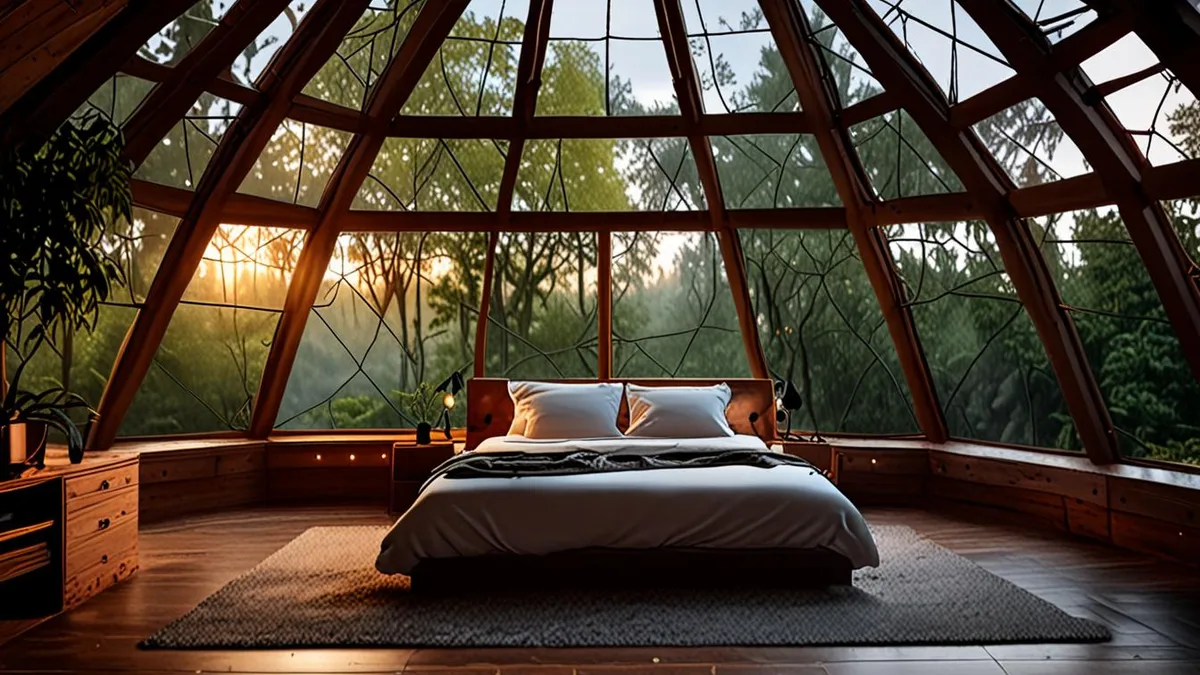
Seasonal Price Swings
Dates move prices as much as geography does. During peak season, June through August, most European glamping sites add roughly 20–40% to their nightly rates. This is when families travel and when the weather is most reliable almost everywhere, so operators know demand will carry the higher prices. Popular sites in scenic regions can be fully booked well ahead for July and August weekends, so flexibility with dates is your best bargaining tool.
Why May and September are the sweet spot
Traveling in the shoulder months of May or September can cut prices by 15–25% compared to peak summer. The weather is still pleasant across most of the continent, campsites are quieter, and you often get better service because staff are less stretched. For destinations with a short high season, like mountain areas, this window is especially rewarding. If the Tatras are on your list, our guide to glamping near Zakopane for alpine adventures shows how spring and early autumn stays cost noticeably less than midsummer ones.
Winter flips the usual logic in some regions. Heated domes in lower-altitude or less famous areas can be cheaper than a summer stay in the Alpine hotspots, since cold-weather glamping is still a niche market. If you don’t mind packing warmer clothes, checking winter availability at heated sites is one of the easiest ways to get a premium-style stay at a mid-range price. Just confirm what heating is included before you book, as some sites charge extra for firewood or sauna use in colder months.
What You Get at Each Price Level
Glamping prices vary a lot across Europe, and so does what you actually get for your money. Knowing what each price level typically includes makes it much easier to judge whether a listing is fair value or padded with extras you will never use. Here is how the three main tiers usually break down.
At the budget end, think of it as camping with a roof that someone else pitched. You get a real bed and weatherproof walls, but facilities are shared and service is minimal. It works well for road trippers and hikers who spend their days outside anyway.
Mid-range sites are where glamping starts to feel like a holiday rather than an upgrade on camping. Expect a proper private bathroom, breakfast in the morning, and interiors that were clearly designed rather than improvised. This is also the tier where location starts to matter, with many sites positioning their units to catch a sunset or a valley view.
Luxury glamping resorts behave more like boutique hotels. Staff handle the details, meals can be arranged, and the accommodation itself becomes the attraction. If you want a sense of what the top tier looks like in a value country, this look at luxury glamping in Poland for relaxed trips shows how far a budget can stretch outside the Alps.
- Shared bathrooms at budget sites usually mean a central washblock with toilets and showers a short walk from your tent, so pack a robe and flip-flops for nighttime trips.
- Basic kitchen access at budget level typically means a communal cooking area with a two-burner stove and shared cookware, not a private kitchenette.
- Self-check-in is common at budget sites, often via a lockbox or a code sent before arrival, which suits late arrivals but means no one greets you or answers questions on site.
- Mid-range breakfast is often served at a set time in a communal lodge or delivered as a basket to your unit, so check the format if you like slow mornings.
- Quality bedding and views at mid-range usually mean proper mattresses, layered linens and large windows or a deck oriented toward the landscape, which is a big part of what you are paying for.
- Hot tubs at luxury resorts are often private and wood-fired, sometimes pre-heated for your arrival, so ask whether heating is included or costs extra.
- Chef dinners and housekeeping at the top end can include daily servicing of your unit and multi-course meals on request, effectively replacing the need to leave the site.
- Concierge-style service means staff book local activities, arrange transfers and stock your fridge before arrival, which saves planning time but is priced accordingly.
Hidden Costs to Budget For
The nightly rate is rarely the whole story. Glamping sites, especially those listed on booking platforms, often add fees that only appear late in the checkout process. Budget for them from the start so the final number does not surprise you.
Platform fees and cleaning charges
Cleaning fees are the most common extra. On short stays booked through platforms, they typically run €30–€70, which can feel steep when your nightly rate is modest. The fix is simple: the longer you stay, the smaller the fee becomes as a share of the total, so a four-night trip absorbs it far better than a single night.
Watch for service charges too. Some platforms add a booking fee calculated as a percentage of your stay, which means the pricier the tent, the bigger the surcharge. A quick comparison between booking direct and going through a platform can save you a noticeable amount, though direct bookings sometimes mean less flexible cancellation terms, so read the fine print either way.
Getting there and filling your days
Remote sites are part of the appeal, but remoteness has a price. If you are not renting a car, airport transfers in rural areas can add €50–€150 to your trip. Before booking, check whether the site offers its own shuttle, as some do for a lower rate than a private taxi.
Finally, think about on-site activities. Sauna sessions, e-bike rentals and similar add-ons typically cost €15–€40 each, and at a well-run site they are genuinely tempting. Two or three of these per person can quietly add €100 to a week. Decide in advance which ones you will say yes to, and treat the rest as optional rather than automatic.
How to Pay Less Without Downgrading
Glamping does not have to be expensive, but the cheapest rates rarely announce themselves. The savings come from three levers: when you book, when you travel, and where you go. Used together, they can cut a trip’s cost substantially without settling for a smaller tent or a worse view. Here is how to put each lever to work.
- Book 3–6 months ahead for summer dates. Early-bird rates reward planners, and the best units at popular sites are also the first to go. Booking early does not just save money; it protects you from having to accept a leftover unit at full price because the good ones sold out. If you have your heart set on a specific dome or treehouse with a particular view, this is the single most effective thing you can do.
- Travel in the shoulder months of May or September. These weeks can cut prices noticeably versus peak summer, and the experience is often better too: fewer crowds, quieter mornings and more attentive hosts. Weather across most of Europe is usually still pleasant in these months, though it is worth checking conditions for your specific destination, especially in mountainous or coastal areas.
- Pick a value country. Poland, Lithuania and Portugal offer some of the lowest glamping rates in Europe, often €50–€110 per night, while Switzerland and Monaco often run 30–50% above the European average. The same budget that buys a mid-range dome in one country can buy a luxury stay in another, so the destination choice matters as much as the accommodation type.
None of these steps requires sacrificing the experience itself. You are changing the calendar and the map, not the quality of the stay. A safari tent in Portugal in late May can feel just as special as a Swiss dome in July, and your wallet will notice the difference long before you do. Combine all three levers and a trip that once felt out of reach becomes a realistic plan for the year ahead. Check current rates with operators directly, as prices shift with demand and new sites open every season.
The Bottom Line on 2025 Glamping Budgets
So, what is a fair price for glamping in Europe in 2025? The short answer: expect around €50–€90 per night for a budget tent or cabin for two, €100–€180 for a comfortable mid-range dome, safari tent or treehouse, and €200–€450+ for a full-service luxury resort. Those three bands cover most of what you will see online.
Just as important, the tent type matters less than where you go, when you book and when you travel. Country choice, season and booking lead time move prices more than the accommodation style itself. If you plan around those three factors, a realistic mid-range European glamping trip comes to roughly €700–€1,100 per week for two people. Have a favorite glamping spot or a price surprise from your own trips? Share it in the comments or pass this article along to a travel partner.