Planning beach resort holidays in Greece sounds simple until you face the sheer scale of the choice. More than 200 inhabited islands compete for your week in the sun, each with its own mix of resorts, beaches, winds and prices. Pick the wrong island for your travel style, or the wrong month for swimming, and a dream trip can turn into a windy disappointment or an overpriced squeeze.
This guide breaks the decision down into manageable pieces. We start with the best months for a beach resort holiday, then look at three island groups in detail: Crete’s big-island variety, Rhodes and the Dodecanese with their long season, and the Cyclades with their iconic views and trade-offs. From there, we match islands to travel styles, cover booking timing and how to get there, and wrap up with a simple plan you can act on. By the end, you should know exactly where and when to book.
When to Go: Seasons for Beach Resort Holidays in Greece
Timing shapes every part of a Greek beach resort holiday, from the price of your room to how warm the water feels. The sweet spots are late May to mid-June and September to early October. In these shoulder months the sea is already warm, resort rates sit well below peak levels, and beaches and pools are noticeably less crowded.
July and August bring the hottest weather and the fullest resort experience. Kids’ clubs, water sports, beach bars and entertainment programs all run at full strength, which is exactly why families with school-age children aim for these weeks. The trade-off is money: peak-season rates run roughly 40-60% higher than in June or September, so the same room can cost dramatically more.
Water temperature and the extended season
Sea temperatures sit around 22-26°C from June through September, comfortable for long swimming sessions rather than quick dips. If your trip falls late in summer, aim south: Rhodes and Crete often stay warm enough for swimming into early October, making them the natural pick for late-summer trips when other islands are cooling down.
Crete: Big-Island Variety for Every Kind of Stay
Crete is Greece’s largest island, stretching about 260 km from west to east, and that size is its greatest asset for resort holidaymakers. Instead of one long strip of hotels, you get distinct regions with genuinely different characters, all reachable from a single base.
North coast: beaches plus old-town evenings
The north coast around Chania and Rethymno suits travelers who want their beach days paired with good evenings. Both towns have atmospheric old quarters where you can walk from the sand to taverna tables under Venetian-era arcades. Resorts here range from family-oriented complexes to smaller boutique options, and you are never far from restaurants, shops and harbor walks.
South coast and getting around
Cross to the south coast and the mood changes. Beaches are quieter and more rugged, backed by mountains rather than resort developments, and the pace suits travelers who want a relaxed stay away from crowds. Facilities are simpler, so this side works best if you value scenery and calm over full-service amenities.
One practical note: the island’s 260 km length means resort-hopping by car is realistic, but distances are long. A drive from western Crete to the east can eat most of a day, so plan day trips from one base rather than treating the island like a circuit. If you enjoy this style of holiday, one base plus varied excursions, you may also like our guide to Baltic Sea coastal resorts for beach holidays, which covers a very different coastline with the same single-base logic.
Rhodes and the Dodecanese: Long Season and Sandy Bays
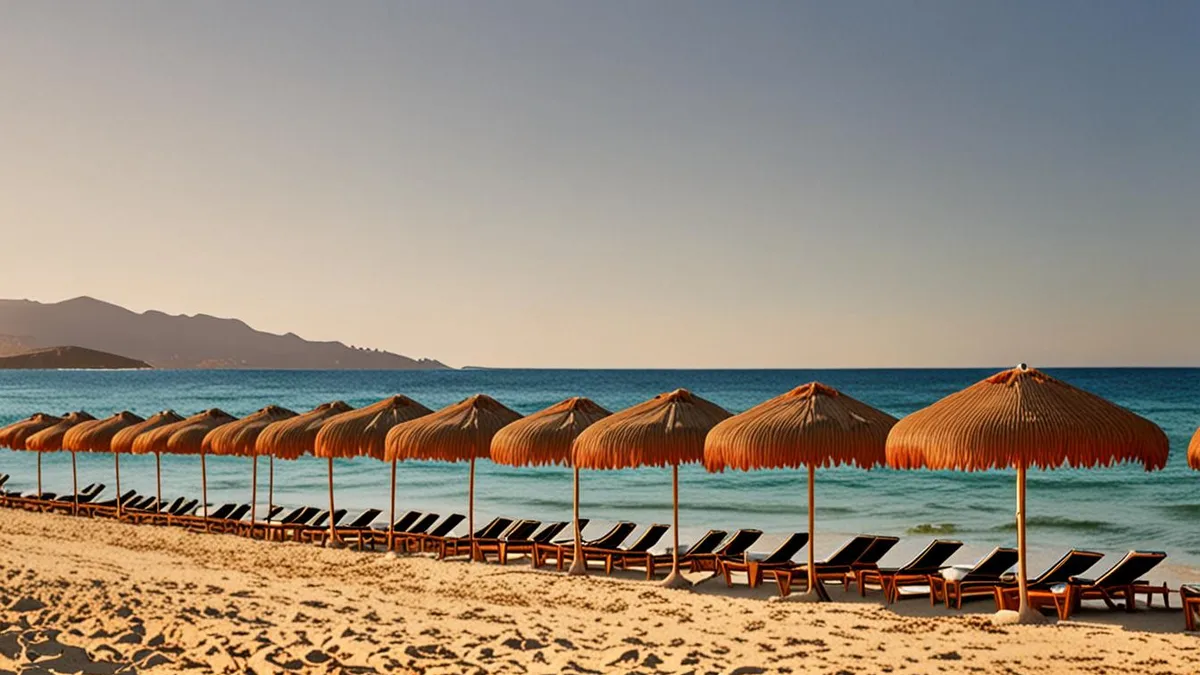
Rhodes earns its reputation as a late-season favorite, and for good reason. The island combines long sandy beaches, concentrated mainly on its east coast, with a swimmable season that often stretches into early October. For travelers planning a late-summer trip, that combination is hard to beat: warm water, wide bays and resorts that keep their pools, restaurants and water-sports facilities running well after the peak crowds have gone home.
The east coast also has a practical advantage worth knowing before you book. Its bays are naturally sheltered, which makes Rhodes a dependable pick when the Meltemi winds are whipping up rough seas on other island groups. While exposed beaches elsewhere can become uncomfortable or even off-limits on windy days, the sheltered east-coast bays usually stay calm enough for swimming, paddleboarding and family water time. That reliability matters most in July and August, when the winds are at their strongest.
Kos, also part of the Dodecanese, takes a different approach to the beach holiday. It offers flatter terrain and a compact, easygoing resort scene, well suited to a simple beach week where the biggest daily decision is which taverna to try for dinner.
- Cycling-friendly Kos: the island’s famously flat landscape has made it popular with cyclists, and many resorts rent bikes so you can pedal between the beach, town and tavernas instead of driving.
- Rhodes’ resort spread: the main east-coast resort areas sit along a stretch where you can combine a sandy beach morning with an afternoon exploring sights such as the medieval Old Town of Rhodes city, a UNESCO-listed highlight.
- Day-trip potential: from Rhodes it is a short ferry hop to neighboring islands, so you can add a change of scenery without changing hotels.
- Shoulder-season value: because both islands typically stay warm into early October, late-September stays often come with lower rates and quieter pools than the same resorts command in August.
The Cyclades: Iconic Views With Windy Trade-Offs
The Cyclades are the islands most people picture when they think of Greece: whitewashed villages, blue-domed churches and long stretches of pale sand. But this group comes with a trade-off that matters for a resort holiday, and it is wind. The Meltemi blows across the Cyclades mainly in July and August, and it is strongest on western-facing coasts, so the bay you choose can make or break a beach week.
Naxos and Paros are the practical picks for most travelers. Both have sandy, gently shelving beaches that work well with children, plus traditional island towns with tavernas, small shops and evening strolls. You get the iconic Cycladic scenery without the premium pricing of the famous names.
Mykonos and Santorini deliver the postcard views and the buzz, but they also carry the highest price tags of any Greek islands. Mykonos leans toward beach clubs and nightlife, while Santorini is more about caldera views than swimming beaches. Couples who value atmosphere over sand tend to be happiest here.
- Agios Prokopios on Naxos is a long sandy beach with shallow entry, a short ride from Naxos town, making it easy to combine beach days with town evenings.
- Paros’ east-coast bays sit away from the prevailing summer wind direction, so water stays calmer when the Meltemi is at its strongest.
- On Mykonos, southern beaches are the ones sheltered from the wind; western-facing spots can be unpleasant for sunbathing in July and August.
- Shoulder-month visits in June or September usually mean lighter winds across the Cyclades, so even windier coasts become workable for swimming.
Matching the Island to Your Travel Style
The easiest way to narrow down your Greek island choice is to start with who is traveling. A family with young children, a couple chasing views, and a group of friends who want beach bars until midnight all need different islands, and Greece has a clear best fit for each.
Families do best where the water is shallow and the resorts are built for kids. Crete’s north coast, Naxos and Kos all offer gently sloping sandy beaches and family-oriented hotels with pools, kids’ clubs and easy access to tavernas. Crete’s size also means you can base yourselves in one resort and still take varied day trips.
Couples have two very different routes. Santorini is the classic choice for caldera views and romantic evenings, while the quieter bays on Crete’s south coast offer a relaxed escape with rugged beaches and far fewer people. If your idea of a couple’s trip is more about calm than drama, quieter alternatives such as relaxed luxury resorts on the Albanian coast can also deliver a similar feel at a lower profile.
- Families with toddlers should prioritize resorts with a sandy, shallow entry beach within walking distance, which points to Kos’ flat terrain and Crete’s north-coast bays.
- Couples on a second or anniversary trip often prefer south-Crete stays where small family-run hotels sit near quiet coves rather than large resort strips.
- Nightlife seekers get the fullest scene in July and August, when Mykonos’ beach clubs and Rhodes’ resort strips run at full capacity with international DJs and late hours.
- Travelers wanting a quiet off-season feel find September on Rhodes or Crete ideal, since school holidays have ended, resorts remain open and beaches thin out noticeably.
Booking Timing and Getting There
Timing your booking matters more in Greece than in many European beach destinations, because the best-positioned resorts on popular islands sell out first. For a July or August stay, reserve your resort four to six months ahead. That window gives you real choice in room categories, sea-facing rooms and family configurations before they disappear. For shoulder-season trips in June or September, booking two to three months ahead is usually enough, and you may still find good availability closer to departure.
Flights and Ferries
Most travelers fly directly into island airports such as Heraklion on Crete, Rhodes or Mykonos, with connections through Athens or other European hubs depending on your origin. Ferries are the alternative: Piraeus port in Athens serves most island groups, and routes range from a few hours to the Cycladic islands to longer crossings toward Crete and the Dodecanese. Check current schedules and durations with your operator, since they vary by season and ferry type.
Packages Versus Separate Bookings
In July and August, it pays to compare a flight-plus-resort package against booking flights and accommodation separately. Peak-season room prices climb steeply compared with June or September, and package operators often hold contracted room allocations that can soften some of that peak-season markup. A package can also bundle extras such as transfers or meals, which adds up on longer stays. Run both numbers for your exact dates before committing; in the shoulder months, separate bookings frequently come out cheaper and give you more flexibility to mix islands or change hotels mid-trip.
Wrapping Up Your Greek Island Plan
Picking from more than 200 inhabited Greek islands comes down to matching two things: your travel style and your month. Crete, Rhodes and the Cyclades cover most bases, whether you want family-friendly shallows, caldera views for two, or lively nightlife strips. Once you know which of those you are, the choice gets much easier.
Timing matters just as much. June and September usually deliver the best combination of warm sea and lower prices, while July and August bring peak crowds and rates. If you are set on those busiest weeks, book your resort four to six months ahead to secure the best options. Found this useful, or already have a favorite Greek island? Leave a comment or share the article with a fellow traveler.