Booking a European trip often comes down to one confusing question: will a hotel or an aparthotel actually cost less and fit your stay better? The hotel vs aparthotel debate trips up even experienced travelers, because the two look similar online but work very differently once you arrive. A hotel gives you daily housekeeping, a front desk and often breakfast, while an aparthotel hands you a kitchenette, more space and a more self-service routine.
This guide breaks down the real differences, shows when a hotel is the smarter pick and when an aparthotel wins, and compares the true costs including food and extras. We also cover booking rules and timing, how to match your stay type to your destination, and the bottom line for your European trip. By the end, you should know exactly which option fits your travel style and your budget.
Hotel vs Aparthotel: The Core Differences
At first glance, hotels and aparthotels look alike: both have reception areas, both book by the night, and both often appear side by side on booking sites. The difference shows up in what happens after check-in. A standard European hotel includes daily housekeeping, a staffed front desk and usually breakfast, so your room is refreshed every morning and someone is always on hand for questions or requests.
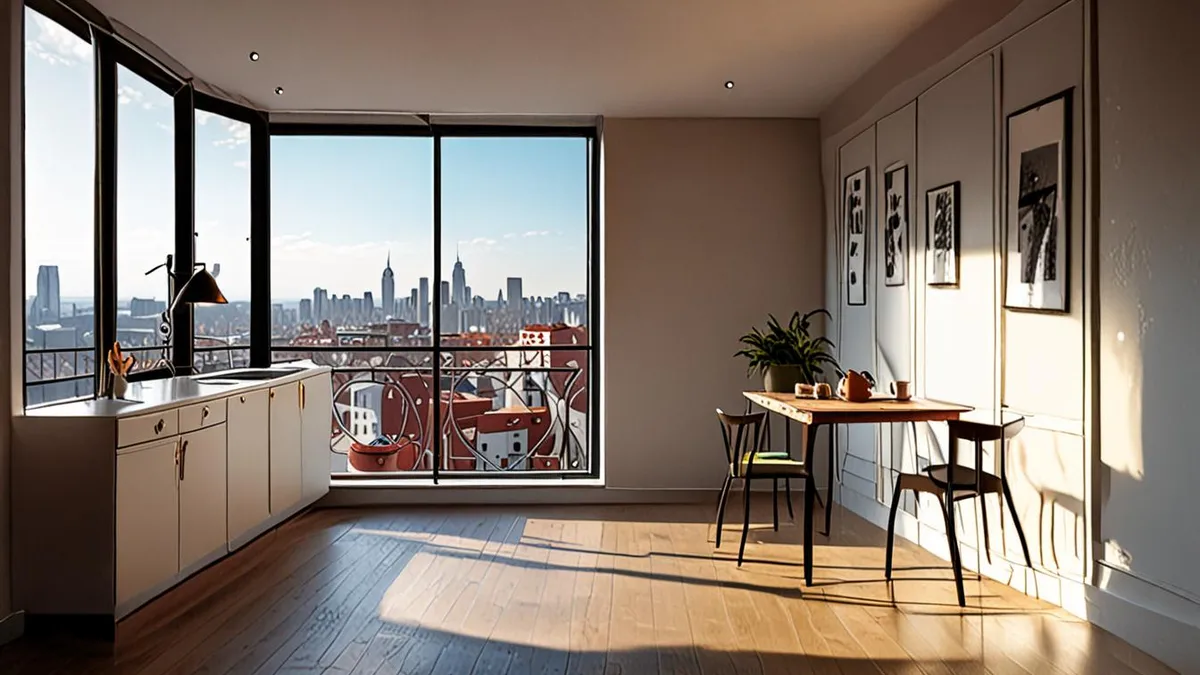
An aparthotel adds a kitchenette to that formula, typically with a stovetop, fridge, kettle and basic cookware, and shifts much of the service to self-service. You cook your own breakfast, handle your own dishes and often collect keys or check in with less staff interaction. In return, you get noticeably more room: aparthotel studios average 30-40 m², while typical city hotel rooms run 20-30 m². That extra space makes a real difference when you are spreading out maps, drying swimwear or traveling with children.
The cleaning catch
One detail surprises many first-time aparthotel guests: most clean rooms weekly rather than daily, often on a set weekday. On a two-night stay you may never notice, but on a ten-night trip you will be making your own bed most mornings and reusing towels between visits. If fresh towels and a made bed every day matter to you, factor that into the decision, or check the cleaning schedule before booking.
When a Hotel Is the Better Choice
For short city breaks of 1-3 nights, the hotel usually comes out ahead. You will barely use a kitchenette over a weekend, and daily housekeeping plus a ready-made breakfast more than make up for the kitchen savings you are not earning. There is no shopping to do, no dishes to wash and no cleaning schedule to think about, which is exactly what you want when you have only 48 hours in a new city.
Hotels also win when location and service matter more than space. A concierge who books a table, holds your luggage after checkout or points you to the right tram stop can shape a trip in ways extra square meters cannot. City-center hotels put you steps from the sights, so you can drop off bags, rest between museums and head out again without planning around transport.
Romance and amenities
Romantic getaways are natural hotel territory. A rooftop bar for an evening drink, an on-site restaurant when you do not want to search for dinner, and a room that gets refreshed while you are at dinner all add to the stay. If you are weighing options for a couples’ weekend, browsing stylish hotels for a Lisbon city break gives a good sense of what this kind of trip looks like in practice. For short, service-focused stays like these, the hotel premium is usually money well spent.
When an Aparthotel Wins
Aparthotels shine on longer trips. Once your stay stretches to 5 nights or more, rates typically run 15-30% below comparable hotels in the same area, and the savings compound the longer you stay. The weekly cleaning rhythm that feels like a compromise on a weekend becomes a non-issue when you are settling in for a fortnight, and having a kitchenette turns expensive nightly dinners into a choice rather than a necessity.
Families arguably benefit most of all. One 30-40 m² studio with a kitchenette can replace booking two separate hotel rooms, since parents and children share the space and the sofa bed or extra sleeping area. That single change roughly halves your accommodation line item, and the kitchenette adds food savings on top: travelers happy to cook can save roughly €20-40 per person per day compared with eating every meal out.
Where aparthotels pay off most
- Week-long beach and alpine holidays: a full week of self-catering breakfasts and a few cooked dinners can offset a large share of the nightly rate difference.
- Work or relocation trips: a desk, a fridge and space to unpack make a month-long stay livable in a way a compact hotel room rarely is.
- Groups of friends: sharing one large studio or a two-bedroom aparthotel unit often costs less per person than several single hotel rooms.
- Dietary needs: a kitchenette lets you handle allergies or specific diets without relying on restaurant menus every day.
The pattern is simple: the longer you stay and the more you use the kitchen, the wider the gap in the aparthotel’s favor grows.
Comparing Real Costs: Nightly Rate, Food and Extras
The nightly rate is only the starting point. To compare fairly, add up everything you would actually spend during the stay, because food, cleaning and transport can quietly swing the total by hundreds of euros.
Food is where the kitchenette pays off
Hotel breakfast in Western Europe usually runs €10-25 per person per day. Over a five-night trip for two, that alone can add a meaningful chunk to your bill. With an aparthotel kitchenette, you can largely eliminate that cost: a supermarket breakfast of coffee, bread, eggs and fruit costs a fraction of the hotel version, and you can also prepare simple dinners or pack picnic lunches for sightseeing days.
Cleaning, laundry and small extras
Most aparthotels skip daily housekeeping and schedule one cleaning session per week, usually on a fixed day, so the rate you see is generally the rate you pay — no surprise service charges. The trade-off appears on longer trips: if you stay more than a week, check whether the property has a laundry room, a washer in the unit, or a nearby laundromat. Hotels handle this invisibly through daily housekeeping, which is one reason their rates run higher.
Location is the last piece. A cheaper aparthotel 20 minutes out of the center can lose its savings on daily transport, especially for a family buying multiple metro or tram tickets every day. Before booking, price the commute for your whole stay and compare it against the pricier, more central option.
Booking Rules and Timing for Each Stay Type
Timing works differently for the two stay types, and getting it wrong can mean paying more or losing flexibility altogether. Aparthotels reward early planners because their inventory is smaller than that of large hotels, and the units that suit families and long-stay guests tend to be booked first. Hotels, on the other hand, tend to keep more flexibility for spontaneous travelers, especially in city centers where turnover is high. A few simple rules of thumb will keep your options open and help you match your booking habits to the type of property you choose.
- Book aparthotels early for summer. For June-August travel, aim to reserve 2-3 months ahead to secure the best rates and the widest choice of units. Demand from families and long-stay guests means the good studios go first.
- Expect minimum stays in high season. Many aparthotels apply 2-3 night minimum stays during the summer months, so a one-night stopover may not even be possible. Check the minimum before you build your itinerary around a property.
- Use hotels for last-minute city breaks. Hotels release single-night availability more freely, which makes them the safer bet when you decide a few days or weeks before departure.
- Read the cancellation terms carefully. Aparthotels often require longer notice than standard hotels, so a flexible-looking rate can still lock you in earlier than you expect.
One last tip: whatever you book, screenshot or save the cancellation policy at the time of booking. Policies can vary between rates on the same property, and having the exact terms on hand avoids disputes if your plans shift. It also helps to set a calendar reminder a few days before any free-cancellation deadline expires, since that buffer gives you room to change dates without penalty if your trip shifts.
Matching the Stay Type to Your Destination
The right choice depends heavily on where you are going. A stay type that feels perfect in one European destination can feel like a compromise in another, so think about your destination’s layout and how long you will actually be there before booking.
In compact old towns — think walled centers where everything sits within a short walk — a hotel near the sights usually wins for short visits. You are out all day, meals are part of the experience, and a central room lets you drop bags and rest between outings without wasting time on transport. In these places, a kitchenette would mostly sit unused while you queue for coffee and pastries instead.
Alpine and beach destinations tilt the other way. These are typically week-long trips where you actually use the extra space, and self-catering fits the rhythm: breakfast before the slopes, a barbecue or simple dinner after the beach. A kitchenette stops being a compromise and becomes part of the holiday.
City-break capitals like Paris, Rome or Berlin can work for either, depending on how long you stay and how much you plan to eat out. Use this quick checklist:
- On a short break and eating every meal out? A central hotel makes the most sense — you will never use the kitchen.
- Staying a week or more, or traveling with kids? An aparthotel’s larger studio and kitchenette start earning their keep immediately.
- Planning a mix of restaurant dinners and easy lunches? An aparthotel near a good food market gives you both worlds without stretching the budget.
Match the stay type to the destination’s rhythm and your own plans, and the decision usually makes itself.
The Bottom Line for Your European Trip
So, which one actually costs less and fits your trip? The answer comes down mostly to length and lifestyle. Hotels suit short, service-focused stays where daily housekeeping, breakfast and a front desk make a city break easy. Aparthotels suit longer, self-catering trips, where a kitchenette and extra space start paying for themselves.
In most cost comparisons, the deciding factors are simple: the 5-night mark and whether you’ll actually use the kitchenette. Match the stay type to your trip length, your destination and your dining habits, and the right choice usually makes itself. If this helped you decide, leave a comment or share the article with a fellow traveler.