You want a seaside trip in Croatia with more comfort than a tent, but you’re unsure which stretch of coast and which season actually deliver. That’s a fair worry: the difference between a shaded, sea-view glamping tent in Istria and a sun-baked dome on the exposed Dalmatian coast can make or break a vacation. This guide to coastal glamping in Croatia walks you through both questions, so you can match the right region to your trip length and the right month to your budget.
We’ll start with why the Croatian coast works so well for glamping, then compare the two main choices: family-friendly Istria and the island-hopping waters of Dalmatia. From there, you’ll find a season-by-season breakdown of sea temperatures and typical nightly rates, a practical checklist for judging listings before you book, and budgeting advice covering when to reserve. A short wrap-up pulls the decisions together at the end.
Why Coastal Glamping in Croatia Works
Coastal glamping in Croatia solves a problem that ordinary beach trips rarely fix: you get to swim in the Adriatic every morning, but you sleep in a real bed with an en-suite bathroom instead of wrestling with a sleeping bag. Most well-run sites add a small terrace or deck, often angled toward the water, so you can end the day with a glass of wine and a sea view without leaving your accommodation.
The variety of settings is the real draw. Croatia has over 1,000 islands along with a long mainland coast, which means glamping sites sit in very different landscapes: shady pine forests, quiet olive groves, and pitches tucked behind rocky coves. Two sites an hour apart can feel like entirely different trips, so it pays to decide what kind of surroundings you want before comparing prices.
Getting around without flying
Access is another strong point. Croatia’s coast is well connected by road, and car ferries link many of the larger islands to mainland ports. That makes a multi-stop itinerary realistic: you can drive between regions, hop across to an island for a few nights, and return without ever boarding a plane. For travelers arriving from neighboring countries by car, the coast effectively starts at the border.
This flexibility also means you can mix accommodation styles on one trip, combining a glamping stay with a night or two in a coastal town. Check ferry schedules and vehicle booking rules with the operator before you travel, as timetables vary through the year.
Istria: Closest Coast and Family-Friendly Sites
Istria is the closest stretch of Croatian coast to Central Europe, roughly a 2-3 hour drive from Ljubljana or Zagreb. That makes it the natural pick for a 4-7 day trip without flying: you can leave home in the morning, pitch up by the afternoon, and still have time for a first swim. No airport transfers, no luggage limits, and the car stays with you for day trips.
Where to base yourself
Focus your search on sites near Poreč, Rovinj and the Lim valley. These areas combine easy access to beaches and towns with plenty of greenery, and shade matters more than you might think here. Istrian summers get hot, so a tent or lodge under mature trees will feel far more comfortable than one in an open field. Ask the site directly about shade cover for your specific pitch, especially if you’re traveling with children who nap in the afternoon.
The landscape inland is a big part of Istria’s appeal. Rolling countryside, hilltop villages and working vineyards sit within a short drive of the coast, so you can spend the morning at a pebble cove and the afternoon wine tasting or exploring a medieval town. This suits travelers who want beaches plus inland variety rather than pure sun-and-sand.
If you’re still weighing up whether glamping is the right format for your family at all, it helps to read a comparison of glamping versus traditional camping before committing to a week-long stay. The comfort trade-offs are real, and knowing your priorities makes choosing a site much easier.
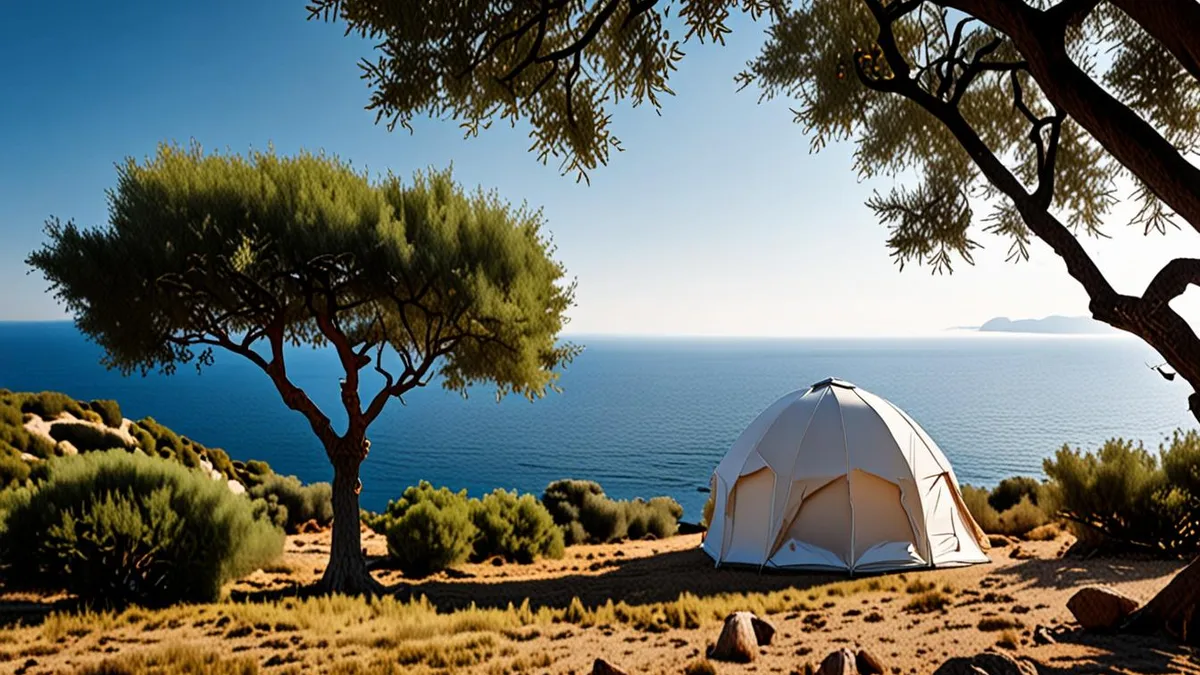
Dalmatia: Split to Dubrovnik for Sea and Islands
Dalmatia, the stretch of coast running from Split toward Dubrovnik, is the best choice if island hopping is part of the plan. Regular car and passenger ferries run from Split and Šibenik to the larger islands, so you can base yourself at a mainland glamping site and still spend days exploring Hvar, Brač or the Kornati area. A few nights on the mainland followed by a ferry hop is an easy itinerary to build without internal flights.
The terrain here is rockier than Istria and the summer sun is stronger, with the coast averaging 5-7 sunny hours per day in the peak months. That combination makes shade and cooling the deciding factors when you compare listings. Prioritize tents or domes with solid shade cover, good cross-ventilation or air conditioning, and check whether the pitch sits in exposed scrub or under trees.
Shoulder season is the sweet spot for Dalmatia. In May, early June, September and early October the sea sits at a comfortable 18-22°C, ferries and beaches are noticeably quieter, and you avoid the midsummer crowding around the most popular island ports. If your dates are flexible, shifting your trip by a few weeks changes the experience significantly.
A few practical points to check before you book:
- Ferry logistics for your car: on popular island routes in July and August, vehicle decks can fill up, so reserve your ferry crossing in advance rather than queuing on the day.
- Walking distance to the water: on rockier Dalmatian terrain, a cove that looks close on a map can involve a steep path, so ask the site how long the walk actually takes with beach gear.
- Water shoes for pebble and rock beaches: most Dalmatian swimming spots are pebble or rock rather than sand, and packing water shoes makes rocky entries far easier for kids and adults alike.
When to Go: Season by Season
Croatia’s coastal glamping calendar is simple: the warmer the water, the higher the price and the earlier you should reserve. The busiest stretch runs from mid-June to late August, when the Adriatic peaks at 22-25°C. Sites fill up fast in this window, so expect rates of €120-€300 per night and lock in your booking 3-6 months ahead, particularly if you want a sea-view tent or dome.
If you’re happy to swap a few degrees of sea warmth for quieter beaches and softer prices, target the quieter edges of the season instead: late spring and early autumn. The water holds a comfortable 18-22°C, nightly rates fall to €80-€180, and you’ll have far more choice. For a rough sense of how these prices stack up across the continent, this breakdown of what glamping costs in Europe in 2025 is a useful benchmark.
Winter is a different story. From November to March, many coastal sites close entirely or run reduced service, and the ones that stay open often lack the atmosphere that makes glamping appealing in the first place. It’s not the time for a first coastal glamping trip.
- Mid-June to late August: warmest swimming conditions at 22-25°C, but the most popular sea-view units can sell out well before summer, so a 3-6 month head start matters most here.
- Late spring and early autumn: sea at 18-22°C, rates of €80-€180, and enough availability that you can often pick a specific pitch instead of taking what’s left.
- November to March: many coastal sites close or reduce service, so always confirm a site is actually operating before planning a winter trip.
How to Spot the Best Coastal Glamping Options
Not all “coastal glamping” is created equal. Some sites sit a stone’s throw from a swimmable cove, while others are a fifteen-minute walk down a busy road from the nearest patch of sea. A little checking before you book makes the difference between a great stay and a disappointing one. Here’s how to vet a site properly before you hand over your deposit.
- Measure the distance to a swimmable cove in walking terms. Ignore vague “near the sea” claims and look for specifics: how many minutes on foot, and whether the path is a gentle trail or a steep, rocky descent. A site can technically be coastal and still be an awkward hike from anywhere you’d actually want to swim. If the listing doesn’t say, ask for the walking time to the nearest beach.
- Prioritize shade, ventilation or air conditioning for July and August. The exposed Dalmatian coast gets relentless summer sun, and a canvas tent without shade or airflow can turn uncomfortable by mid-afternoon. Look for listings that mention shaded pitches, mesh windows, fans or AC, and ask the site directly if the description is unclear.
- Read recent reviews with three things in mind. Check what guests say about noise from nearby bars or roads, how bad insects get at dusk, and whether the sea view in the photos matches the actual pitch. Some sites photograph beautifully from one angle while most units look out at pine trees or a parking area.
Ten minutes of this kind of checking is the cheapest upgrade you’ll ever make to a glamping trip. It also helps to message the site with one or two direct questions before booking; how quickly and helpfully they reply often tells you what the stay itself will be like.
Budgeting and Booking Your Croatian Coast Stay
One thing that makes coastal glamping in Croatia easier to budget for than many travelers expect is that pricing tends to be fairly predictable. Rates climb sharply for peak summer dates and ease back down outside them, and the priciest units are usually the ones with the best sea views or the most privacy. Rather than fixating on a single number, compare two or three sites for your exact dates and you’ll quickly see what a fair rate looks like for the standard of tent or dome you want.
Timing your reservation
For July and August stays, reserve as far ahead as you realistically can. The best-positioned units, those closest to the water or with the most shade, go first, and by late spring your choices narrow fast. In the shoulder months, booking is usually more relaxed, and you’ll often still have room to be picky about your exact pitch. If your dates are flexible, ask sites directly which units have the best shade and airflow before you commit.
Don’t forget the extras
When comparing sites, factor in how you’ll actually get there. An island site might look cheaper per night than a mainland one, but ferry tickets for a car and passengers add up over a multi-night stay, and some routes run less frequently outside high summer. On the mainland coast, a rental car gives you flexibility to explore beyond the site itself, but check whether parking is included in the rate or charged separately. Some sites also add cleaning fees, tourist taxes or supplements for linens and final cleaning, so read the fine print before assuming the headline rate is the full cost. Whichever route you choose, add these extras to your nightly rate before deciding which option is genuinely the better deal. A slightly pricier site with everything included can work out cheaper than a bargain that isn’t.
Wrapping Up Your Croatian Coast Trip
If you want a short, easy break with the family, Istria is your answer: the drive from Ljubljana or Zagreb takes roughly 2-3 hours, and the region mixes beaches with inland villages and vineyards. If you have a week or more and dream of island hopping, the Dalmatian coast from Split to Dubrovnik rewards the extra travel time with ferry connections and long summer days that often bring 5-7 sunny hours per day.
Timing matters just as much as where you go. Shoulder season, meaning May, early June, September and early October, gives you the best balance of sea temperature, price and availability, with the sea at roughly 18-22°C and rates of €80-€180 per night. If you must travel in July or August, book 3-6 months ahead to secure a site at €120-€300 per night. Have a favorite stretch of the Croatian coast, or a question about planning your own trip? Leave a comment below or share this article with a fellow traveler.