Villa holidays in Andalusia look like a bargain in the listing photos, then turn into a very different story at checkout. Prices swing wildly between regions and months, and most travelers only discover the real costs after booking, when the cleaning fee, deposit and per-day air conditioning charge have already been added to the bill. A villa that costs one figure on the Costa del Sol in August can cost half as much inland, or in the same coastal town in June.
This guide breaks down what villa holidays in Andalusia actually cost, region by region and season by season. We compare the classic coastal choice of the Costa del Sol, the Atlantic beaches of Cádiz, and the cooler inland options around Ronda and the white villages. Then we look at which dates give you the best value, and how to book so you don’t pay over the odds. By the end, you should be able to match your budget to the right region and the right month, and lock in a fair price early.
What Villa Holidays in Andalusia Really Cost
The first thing to understand is that the calendar matters almost as much as the location. A three-bedroom coastal villa typically runs €1,500–€3,500 per week in July and August, when demand across southern Spain is at its highest. The same property, or one very similar, often costs €700–€1,500 per week in the shoulder months of May, June, September and October. That is a difference big enough to change your entire trip budget, or to let you upgrade to a larger villa or a better-positioned one for the same money.
Budget for the extras, not just the weekly rate
The advertised weekly rate is rarely the final price. Most villa bookings come with a cleaning fee, which can be substantial on larger properties, and a refundable security deposit that is held against damage and returned after your stay. Some owners also charge for air conditioning separately, sometimes billed per day rather than included in the rate. In the height of summer, that can add a noticeable amount over a week or two.
Before you commit, ask the owner or agency for the full total: weekly rate, cleaning fee, deposit amount, and any charges for air conditioning, heating, pool maintenance or late check-in. Comparing two villas on the headline rate alone is a good way to pick the more expensive one.
Costa del Sol: The Classic Coastal Choice
The Costa del Sol is where most people picture a villa holiday in southern Spain, and for good reason. Marbella, Estepona and Nerja offer the widest villa selection of any part of Andalusia, and Málaga airport, which serves the coast, has more flight connections than any other airport in the region. That combination of choice and accessibility is exactly why so many families and groups end up here.
Short transfers, easy logistics
Most of the main resort towns sit within a 30–90 minute drive of Málaga airport, which makes transfers refreshingly painless. You can land at lunchtime and be at the pool by mid-afternoon, which matters a lot when you are traveling with children or arriving after a long flight. Compare that with island destinations, where a villa might involve a flight plus a ferry plus a long coastal drive; if you are weighing up a Mediterranean trip, our guide to choosing villas for island holidays in Greece shows how differently the logistics can work.
What the same budget buys here
The trade-off for all this convenience is price. The Costa del Sol is the most expensive part of Andalusia for villa rentals, and rates climb to their highest in July and August. Expect to pay the top of the regional range for a coastal villa here in high season, and expect that money to buy less space than it would inland. If maximizing square meters matters more than beach proximity, it is worth comparing other regions before settling on the coast.
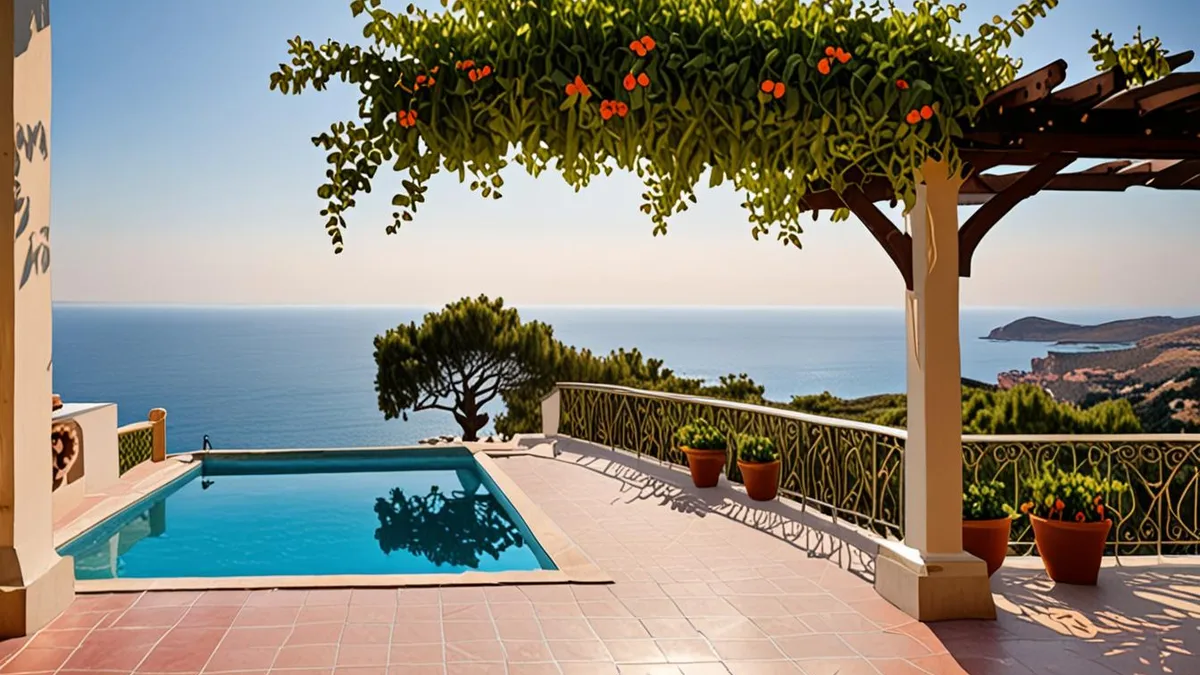
Cádiz and the Atlantic Coast
If the Costa del Sol feels too polished for your taste, the Atlantic coast of Cádiz is the natural alternative. Towns like Tarifa and Conil suit travelers who want beaches with a more local, less polished feel: working fishing towns, family-run restaurants and long stretches of sand rather than manicured resort promenades. The atmosphere is Spanish first and touristy second, even in the middle of summer.
The Atlantic trade-off: cooler water, wilder coast
One thing to know before booking: Atlantic waters are cooler than the Mediterranean, even in peak summer. Swimmers who want bath-warm sea may find the Atlantic bracing, while surfers, kitesurfers and anyone who likes a bit of wind and drama on the coastline will love it. Tarifa in particular has built a reputation around wind sports, and the beaches around Conil are wide and atmospheric, especially toward sunset.
Book earlier than you would for the Costa del Sol
The practical point that catches people out is supply. Villa stock is smaller along the Cádiz coast than on the Costa del Sol, so early booking matters more here. The best properties in Tarifa and Conil, especially those within walking distance of the beach, tend to be reserved well before the peak months arrive. If a Cádiz villa is on your shortlist, start your search earlier than you think you need to, and be ready to commit when you find a good one. Waiting until spring for an August week is a gamble that often ends with a compromise property or a long drive from the beach.
Inland Andalusia: Ronda, the Alpujarras and White Villages
Head away from the shoreline and villa holidays in Andalusia change character completely. Inland, your budget stretches much further: the same money that buys a modest coastal apartment in peak weeks can secure a spacious three-bedroom finca with a private pool, and that pricing typically holds even in July and August, when properties along the sea are at their most expensive.
Cooler nights, quieter roads
The biggest practical advantage is temperature. Inland spots like Ronda and the mountain villages of the Alpujarras run 10–15°C cooler at night than the coast during summer. That difference matters more than you might expect: you can sleep without air conditioning, enjoy dinner on the terrace in the evening, and wake up refreshed rather than sticky. Days are still hot, but the evenings make July and August trips far more comfortable — and they cut down on those per-day air conditioning charges that can quietly inflate a villa bill.
Who this region suits
Inland villas work best for travelers who care more about scenery and quiet than beach access. Think olive groves and cliff-top views around Ronda, terraced valleys and whitewashed villages in the Alpujarras, or the rolling hills of the white villages region. You will be driving to reach restaurants, shops and sights, so a car is essential, and distances between towns can be longer than they look on the map. If your idea of a perfect evening is a glass of local wine on your own terrace rather than a beachfront promenade, this is the part of Andalusia that will fit you best — at a fraction of what a comparable coastal property would cost.
Choosing the Right Season for Your Dates
Andalusia is genuinely a year-round destination in theory, but villa availability and prices swing dramatically depending on when you go. The good news is that the sweet spots are long and generous. May, June, September and October combine sea temperatures warm enough for swimming with shoulder-season rates, so you get the pool, the terrace and the beach without the crush or the peak-season bill.
July and August are a different story. These are the most expensive months on the coast, when weekly rates reach their yearly high, and beaches, restaurants and roads are at their busiest. If your dates are fixed by school holidays, book as early as you can and expect crowds wherever you stay.
Winter is where the coastal market thins out. Many coastal villa owners simply close their properties between November and March, so choice shrinks fast. Inland, however, winter stays are entirely possible — Ronda and the mountains have a quiet, atmospheric off-season appeal, though you should pack for genuinely cold nights.
- May and October are the months when you can swim in the sea most days while paying shoulder-season rates — a combination that rarely happens in other Mediterranean regions this far into spring or autumn.
- September often brings the calmest sea conditions of the year, since the summer winds have typically eased, making it a favorite month for families with younger children.
- November to March on the coast is not just about closed villas — the ones that do stay open are often aimed at long-stay wintering guests, so minimum stay requirements can be weeks rather than days.
- Inland in winter means you should confirm the villa has proper heating, not just the air conditioning that cools it in summer, as mountain nights can be genuinely cold.
How to Book Well and Avoid Paying Over the Odds
A villa holiday in Andalusia can be excellent value or quietly expensive, and the difference usually comes down to how you book rather than where you stay. A few habits will save you real money and spare you unpleasant surprises at check-in.
- Book 6–9 months ahead for July and August. Early booking secures the widest choice of properties at fair prices. Wait until spring and you will be choosing from what is left, often at inflated rates or with minimum-stay requirements that do not fit your dates. This matters most on the coast, where demand for family-sized villas is highest.
- Compare the total cost, not the headline rate. Cleaning fees, refundable damage deposits and air conditioning charged per day can add a meaningful amount to a week’s price. Two villas with the same advertised rate can differ significantly once extras are included, so ask for the full breakdown before you commit. Some owners also charge for linen or mid-week cleans, so confirm exactly what is covered.
- Check realistic driving times from Málaga airport. Most Costa del Sol villas are an easy transfer from the airport, but map estimates assume free-flowing traffic. In peak summer, especially on Saturdays when arrivals peak, add generous buffer time — and if you can, ask the owner or agency what transfer time they actually experience in season.
None of this takes long — an hour of careful comparison before paying a deposit is usually enough. Read reviews from recent guests, since they often flag issues such as thin walls, unreliable air conditioning or a longer walk to the beach than the listing suggests. The travelers who overpay are almost always the ones who booked late and read only the headline price, so give yourself the time advantage and the rest tends to fall into place.
Wrapping Up Your Andalusia Villa Plan
Villa prices in Andalusia vary enormously depending on where you stay and when you travel, and most travelers only discover the real costs after booking. The honest picture: expect to pay from around €700 per week for an inland villa in shoulder season, up to €3,500 for a three-bedroom coastal property in August. That gap is why planning matters more here than in most European destinations.
The simple rule is to match your region and month first, then book early to lock in the price. The Costa del Sol suits travelers who want convenience and short transfers, Cádiz and the Atlantic coast suit those after character, and inland areas like Ronda reward visitors who value cooler nights and lower costs. Once you know which combination fits your trip, securing your dates early is the best way to avoid paying over the odds. If this guide helped you plan your trip, leave a comment or share it with a fellow traveler.