Sardinia villa holidays look irresistible in the photos: whitewashed houses, private pools and turquoise coves just minutes away. Then you start comparing prices and areas, and the dream gets complicated. A villa in one part of the island can cost double what a similar property does elsewhere, and it is not always obvious where your budget actually goes furthest.
This guide breaks it down for you. We cover what weekly villa rates really look like in peak and shoulder season, the extra fees that catch travelers out, and which areas offer the best value. You will find the premium northeast coast, the quieter and cheaper south, and the inland countryside that many visitors never see. We also explain when to book, how long to stay and how to pick the right villa for your group, so you can match your budget to the right corner of the island.
What Sardinia Villa Holidays Really Cost
Villa prices in Sardinia swing more than most travelers expect. In high season, which runs from mid-June to early September with peak prices in late July and August, a villa with a private pool typically costs between 3,000 and 10,000+ EUR per week. The same property in May, June or September usually drops to around 1,200-4,000 EUR, which is why shoulder season has become the smart traveler’s favorite.
The extras that add up
The advertised rate is rarely the final bill. Most owners charge a final cleaning fee, and many add a surcharge for air conditioning, either per night or based on electricity use. If you are traveling outside summer, ask about pool heating, since an unheated pool can be too cool for comfortable swimming. Expect a security deposit too, often taken as a pre-authorization on your card rather than cash.
Why bigger villas can be better value per person
Small two-bedroom villas often cost proportionally more per person than large group properties. A 2-bedroom villa at 2,500 EUR per week splits awkwardly between four people, while an eight-person villa at 5,000 EUR works out cheaper per head. If you can travel with another family or a group of friends, you will usually get more space and better facilities for the same individual spend.
Costa Smeralda and the Northeast: Sardinia’s Premium Coast
The northeast corner of Sardinia is where the island’s reputation for glamour was built, and it shows in the prices. Porto Cervo and the surrounding Costa Smeralda command roughly double the island’s average villa rates. The reason is simple: this stretch of coast combines some of the Mediterranean’s most photographed beaches with marinas, designer shopping and a summer social scene that draws yacht owners and celebrities from across Europe. If you have traveled through villa markets elsewhere, the dynamics are similar to choosing between islands in the Greek islands, where location drives price more than the villa itself.
Same coastline, gentler prices
You do not have to stay in Porto Cervo to enjoy this coast. San Pantaleo, an artists’ village set among granite boulders a short drive inland, has characterful houses at noticeably softer rates. Cannigione, on the Gulf of Arzachena, offers a working-town atmosphere with easy access to the beaches of the La Maddalena archipelago. The hills around Arzachena itself are dotted with restored country properties where you get space and views while staying within 15-20 minutes of the coast.
Who this area suits
Choose the northeast if your priority is the full resort experience: marina dinners, beach clubs and short drives to famous coves like those around Porto Cervo and Capriccioli. Everything is close together here, so you spend your days on beaches rather than in the car. If your budget stretches to it, this is the most polished version of a Sardinian villa holiday you will find.
The South and Southwest: Best Value Villa Areas
Head south and the same Sardinian scenery starts costing noticeably less. The southern areas of Chia, Pula and Villasimius have white-sand beaches that rival anything on the Costa Smeralda, yet villa rates here sit well below the northeast’s, since the coast lacks the marina-and-beach-club scene that pushes prices up. Pula is a pleasant town with restaurants and services year-round, Villasimius is a proper resort town with a wide choice of beaches nearby, and Chia is known for its dunes and lagoons where flamingos sometimes feed. All three make a good base if you want beaches within a short drive but would rather spend your money on a bigger terrace or a better view than on a postcode.
For something quieter still, look to the southwest around Teulada and Sant’Antioco. This is a less developed coastline of long sandy bays and rocky headlands, with small fishing communities rather than resorts. Villa availability is thinner and the choice of large modern properties is smaller, but the trade is space and calm for glitz. Families with young children often find the shallower, calmer coves here easier to handle than the more exposed northern beaches, and parking at the sand is rarely the scramble it becomes elsewhere in peak weeks.
What to weigh up before booking the south
- Transfer times: most flights land at Olbia in the northeast, and the drive to the far south takes around 4 hours, so plan your arrival for morning to avoid a full day lost to the road.
- Car dependency: beaches around Teulada and the Sant’Antioco area are spread out, and you will want your own car for the whole stay rather than just airport transfers.
- Seasonal closures: some restaurants and services in the quietest southwest villages close outside summer, so check what will be open if you travel in May or late September.
- Wind exposure: the south can be breezy when the mistral blows, which surfers love but beach loungers should plan around.
One final point: because the south sees fewer international visitors, villa owners here often show more flexibility on arrival days and stay lengths outside the strictest summer weeks. If Saturday-to-Saturday changeovers don’t suit your flights, it can pay to ask before ruling a property out.
Inland and Countryside Stays for a Different Sardinia
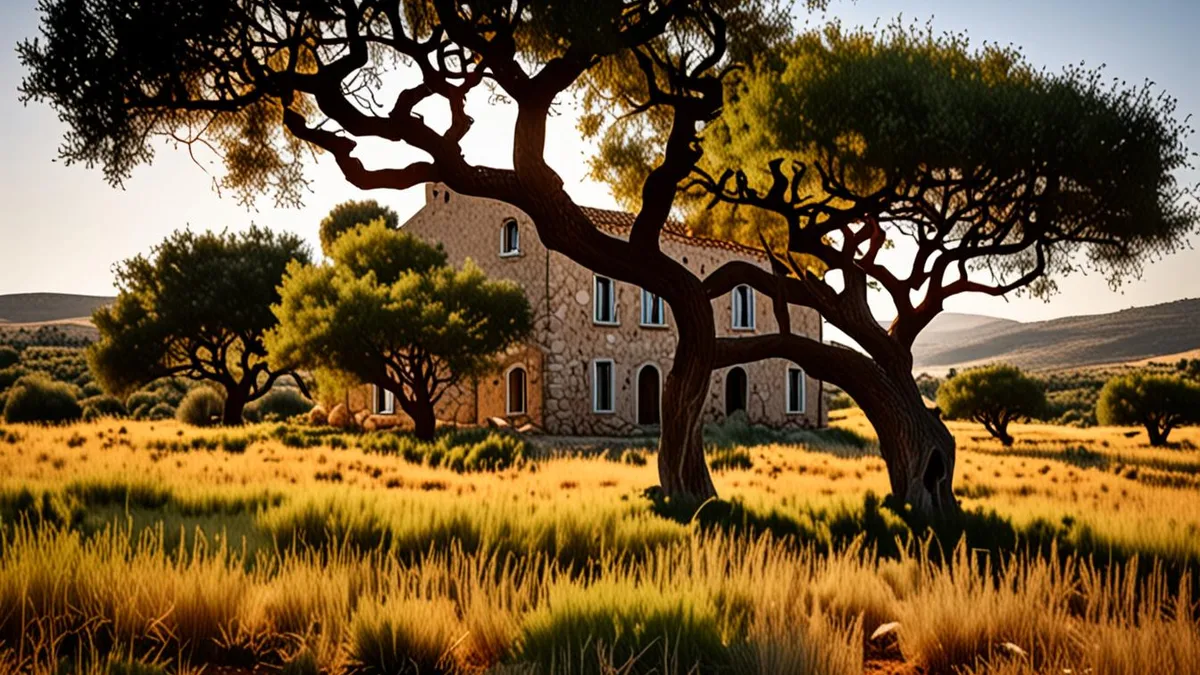
Most travelers picture Sardinia as beaches and marinas, but the island’s interior offers a completely different kind of villa holiday, often at a fraction of the coastal price. Around Tempio Pausania, in the rolling Gallura countryside, you’ll find restored stazzi, the traditional granite farmhouses of this corner of the island. Many have been converted into comfortable holiday homes with thick stone walls that keep interiors cool, plus olive groves and cork-oak woodland all around.
The Barbagia and Nuoro interior
Head further south into the Barbagia region near Nuoro and the landscape turns dramatic: limestone peaks, deep gorges and villages where shepherding traditions still shape daily life. Villa and farmhouse rentals here tend to be the cheapest on the island, and you trade beach access for mountain scenery, hiking trails and some of Sardinia’s most authentic food culture. Towns like Oliena and Orgosolo make excellent bases, though check availability carefully since the rental market here is smaller than on the coast.
Inland stays work especially well as part of a two-center trip. A common approach is a week in a coastal villa followed by three or four quieter days in the countryside, breaking up the holiday and letting you see a side of Sardinia most visitors miss. You’ll still want a hire car, as public transport in these areas is limited, and drives to the nearest coast typically take an hour or more depending on your base.
When to Book and How Long to Stay
Sardinia’s villa market rewards early planning, especially if you have your heart set on August. The island’s best properties, particularly those with private pools and sea views, attract repeat guests who rebook the same weeks year after year. The good news is that the timing rules are simple once you know them, and off-season stays are far more forgiving if you book late. Before you commit to dates, it helps to understand how the booking calendar, changeover days and shoulder-season flexibility all work together. Here’s how to approach it.
- Book 6-9 months ahead for August. This is the island’s absolute peak, and the best villas with pools are often reserved a year in advance. Booking this early gives you the widest choice of locations, sizes and budgets rather than whatever is left.
- Allow 3-4 months for May, June or September. Shoulder-season demand is lighter, so a few months’ notice is usually enough to find a good villa. Prices are also lower, so late planners can still score a genuine deal.
- Expect Saturday-to-Saturday changeovers in July and August. Most owners lock their calendars to weekly Saturday arrivals in high season, which limits your flight options. Check changeover days before booking flights to avoid a mismatch.
- Use off-season flexibility to your advantage. Outside peak summer, arrival days are more flexible and shorter stays become possible. This makes spring and autumn ideal for improvised trips.
If you can travel outside the school holidays, aim for May, early June or late September. The sea is still warm, rates sit at their lowest levels, and availability is far better than in midsummer. You’ll also share beaches, restaurants and roads with far fewer visitors, which changes the feel of even the most popular coastal towns.
For many travelers, these shoulder-season weeks deliver the best overall villa experience Sardinia offers. If your dates are fixed to August, don’t panic — just be realistic about acting early and checking changeover days before you book flights.
Choosing the Right Villa for Your Group
The villa itself matters as much as the location, and the details that make or break a summer holiday aren’t always obvious from listing photos. A property can look flawless in a gallery of wide-angle shots yet fall short once you arrive with your family and your luggage. Before you commit, it pays to question the owner or agency on a few practical points that listings often gloss over. Getting clear answers by email also gives you something in writing if anything doesn’t match the description when you check in.
- Pool opening dates. Many private pools only open from mid-May to early October, so an April or late-October trip may mean a closed or unheated pool. Ask for exact opening and closing dates in writing if the pool is central to your plans, and check whether heating costs extra.
- Car hire logistics. Rural villas are often 30-60 minutes from the nearest airport, and car hire demand spikes in summer. Reserve vehicles well ahead, especially if you need a people carrier for a larger group or child seats, and confirm on-site parking before you book.
- Outdoor living space. In July and August you’ll spend most waking hours outside, so shaded outdoor dining and multiple terraces matter more than interior square footage. Look for pergolas or covered areas where you can eat lunch comfortably even at midday, plus a barbecue if you plan to cook.
Group composition should also shape your search. Families with young children should check for pool fencing, gated steps and bedroom layout, while groups of friends may prioritize en-suite bathrooms and enough sun loungers for everyone. Whatever your setup, ask for recent photos and confirm bed configurations, since sofa beds and cramped twins are common in smaller properties and can quietly reduce how comfortable your stay feels. It’s also worth asking how far the nearest supermarket, pharmacy and beach are from the villa, because a stunning isolated property can mean a drive for every loaf of bread or carton of milk.
Planning Your Sardinia Villa Trip
Sardinia villa holidays can look intimidating on paper, but the numbers tell a simple story. Weekly rates run from around 1,200 EUR off-season to 10,000+ EUR in August, and the northeast, especially the Costa Smeralda, sits at the top of that range. Knowing this, you can decide quickly whether your budget points you toward the premium coast or somewhere more affordable.
The good news is that value exists across the island. The south delivers white-sand beaches at noticeably lower rates, while the interior offers the quietest and cheapest stays of all. Whenever you decide to travel, booking 6-9 months ahead secures the widest choice for peak summer dates. If this guide helped you plan your trip, leave a comment or share it with a fellow traveler.