Planning lodge holidays in Austria sounds simple until you start comparing prices. One website quotes €500 for a week, another asks €2,500 for what looks like a similar cabin, and neither explains why. The truth is that weekly rates swing dramatically depending on when you travel and which region you pick, so a single headline figure rarely tells the whole story.
This guide breaks down what you can realistically expect to pay per week, from budget lodges in quiet valleys to luxury retreats with private saunas. We will look at typical price ranges, how the season moves rates up or down, and why Tyrol costs more than Carinthia. You will also find out what the weekly price usually includes, how to shave a serious amount off your booking, and which lodge type fits your budget best. By the end, you will be able to estimate your total cost before you ever open a booking page.
What Lodge Holidays in Austria Cost Per Week: The Typical Price Ranges
Most travelers searching for lodge holidays in Austria will land somewhere in three broad price brackets, and knowing them upfront makes planning far easier. A budget lodge typically runs €400–€700 per week for a small unit. These are usually compact chalets or apartments in less touristy valleys, a short drive from the main resorts. Expect basic furnishings, a small kitchenette and a quieter setting, but the mountain views often cost nothing extra.
The mid-range bracket, roughly €700–€1,200 per week, is where most families and couples end up. At this level you get noticeably more space, a proper full kitchen and, in many cases, a balcony or terrace facing the Alps. Locations move closer to village centers and ski lifts, and the standard of finish steps up accordingly.
Luxury lodges: what €1,500 and above buys you
At the top end, luxury lodges reach €1,500–€3,000+ per week. These properties justify the price with spa or wellness access, panoramic hillside or mountaintop locations, and premium service such as daily bread delivery or concierge help. Private saunas, floor-to-ceiling windows and designer interiors are common here.
A useful rule of thumb: the jump from mid-range to luxury is usually about location and extras, not just size. If a panoramic view and a sauna are must-haves, budget for the higher bracket; if you plan to spend your days outdoors anyway, the mid-range often delivers everything you actually need.
How Season Changes the Price of an Austrian Lodge Week
Season is the single biggest lever on your weekly lodge price in Austria, often moving rates more than the difference between lodge categories. Peak weeks, which run from mid-December to early January and again from July to late August, typically cost 30–50% more than shoulder season for the exact same property. Christmas, New Year and the school summer holidays are when Austrian lodges command their highest rates, and availability shrinks fast.
When the same lodge costs the least
If your dates are flexible, May–June and September–October deliver the same lodges at the lowest weekly rates of the year. The weather is generally mild enough for hiking and cycling, the trails are quieter, and you get the identical kitchen, balcony and views you would pay a premium for in August. For many travelers, this is the sweet spot for value.
Winter works differently. Ski-region lodges across December–March often run 20–40% above summer prices in the same region, because guests are paying for proximity to lifts and slopes rather than just accommodation. A lodge that costs a certain sum in July can jump significantly once the ski season opens.
It also helps to think about which type of lodge suits your season. A lakeside property shines in summer while a mountain lodge near the lifts justifies its winter premium, and our guide to lakeside versus mountain lodges in Austria walks through that choice in detail. Match the lodge type to the season and you avoid paying a peak price for a property at its off-season best.
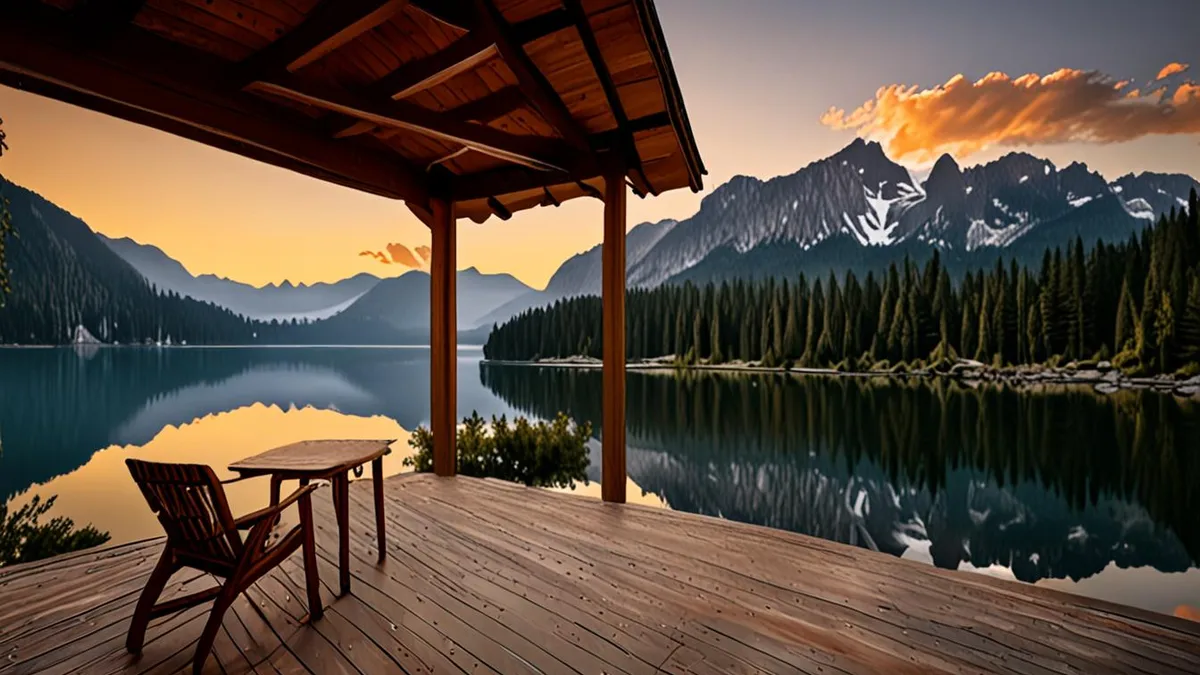
Price Differences Between Austrian Regions
Where you book matters almost as much as when. Tyrol and the Salzburg region command the highest weekly rates in Austria, driven by heavy international demand and dense ski infrastructure. Lodges here sit near major lift systems and famous resorts, and that convenience is priced in. Expect the top of every price bracket in these two regions, in both winter and summer.
Head east or south and the picture changes. Styria, Carinthia and the Lake District (the Salzkammergut) offer noticeably cheaper weeks, often 15–25% below comparable Tyrol properties. You still get mountains, lakes and well-marked trails, just with fewer tour buses and lower restaurant bills to match. If your priority is scenery rather than ski-in access, these regions stretch the same budget much further.
Peak timing also differs by region, which affects when you should book. Lakeside lodges in Carinthia hit their highest rates in July–August, while mountain lodges across the Alps peak in winter. For hikers open to comparing destinations beyond Austria, our piece on mountain lodges in Slovakia near the Tatra trails shows how neighboring countries can offer similar hiking at lower weekly rates.
- Salzburg region ski hubs: lodges near major ski areas can book out a full season ahead, so early reservation matters more here than anywhere else in the country.
- Carinthia’s lake season: swimming-season demand means a lakeside lodge can cost far more in August than in June, even though the weather is pleasant in both months.
- Styria’s wine and alpine mix: lodges in this region often sit near vineyards and gentle alpine pastures, attracting a quieter crowd and keeping weekly rates moderate year-round.
What the Weekly Price Usually Includes
Most Austrian lodges are self-catering, which is one of the main reasons the weekly rate can look so affordable compared to a hotel package. You get a full kitchen and do the cooking yourself. Budget for groceries of roughly €70–€120 per person per week, depending on how much you eat out and whether you shop at supermarkets or small village stores.
What mid-range and luxury rates cover
At the mid-range and luxury end, the weekly price usually bundles in the extras that make a lodge week comfortable. Sauna access, private parking and bed linen are commonly included, and higher-end properties often add towels, a welcome pack or access to a shared wellness area. Always read the inclusions list before booking, because two lodges at the same price point can offer noticeably different packages.
Budget lodges work differently. The advertised rate is often a base price, and useful things get charged separately. Heating in winter, firewood for the stove and final cleaning are the usual candidates, and together they can add €50–€150 to your week. Ask the host for a full cost breakdown before you confirm, so the final bill matches the price you planned around.
How to Get a Better Weekly Rate
The weekly rate you see first is rarely the best rate available. A few simple timing and group decisions can shave hundreds of euros off the exact same lodge, so it pays to be deliberate about when you book and when you travel. The good news is that none of these tactics require insider knowledge or special contacts—just a bit of planning discipline.
- Book 3–6 months ahead for high-season weeks. If your heart is set on Christmas, New Year or a July–August summer week, early booking secures the widest choice of lodges and better rates. The most popular units in sought-after valleys are often gone long before the season starts, so waiting usually means paying more for less.
- Shift to shoulder-season dates. Moving your trip to May–June or September–October can bring a substantial discount on the very same lodge. The weather is generally still pleasant for hiking and sightseeing, villages are calmer, and you get a more authentic feel for local life—something many travelers actually prefer.
- Travel in small groups and split a larger unit. A lodge that sleeps six or eight rarely costs twice what a two-person unit does. Sharing a bigger lodge with friends or family lowers the per-person weekly cost significantly, often making even a premium property surprisingly affordable.
Combine these tactics and the savings compound. A group booking a large lodge in September, reserved well ahead of time, can cost less per person than a couple squeezing into a small unit at peak rates. Before you commit, also compare what each rate actually includes—linen, heating, parking and final cleaning are handled differently from lodge to lodge, and those extras can quietly change which option is the real bargain.
Matching Your Budget to the Right Lodge Type
Knowing your weekly budget is only half the job. The other half is matching that number to the kind of lodge that actually delivers what you want, because a bargain week in the wrong place can feel worse than a splurge in the right one. Austrian lodges fall into fairly clear tiers, and each tier suits a different style of traveler.
If you have seen the dramatic alpine lodges of neighboring countries, for example in a guide to Switzerland mountain lodges with epic views, you will recognize the design-led end of the Austrian market too, though it often comes at a friendlier price. Use the tiers below as a rough map of what your money buys.
- Budget tier: simple mountain huts and valley lodges outside the resort cores. Expect basic kitchens, shared or compact living space, and a short drive or walk to shops and lifts. Ideal for hikers who spend all day outdoors anyway.
- Mid-range tier: family-sized lodges near lakes or cable cars with solid amenities. You typically get two or more bedrooms, a proper living area, a dishwasher and often a balcony, which makes a week with children far easier.
- Luxury tier: design lodges with private saunas, chef services or direct ski-in access. These properties compete on location and finish, so you pay for panoramic terraces, premium interiors and service that removes the chores from your holiday.
Whichever tier you choose, check the inclusions list carefully. A lodge one tier down that bundles heating, linen and parking can end up cheaper overall than a nominally higher-tier property with everything billed separately. It is also worth comparing the same tier across regions, because identical standards can sit at noticeably different points on the price scale depending on where in Austria you book.
Planning Your Austrian Lodge Week at a Glance
So, how much does a lodge week in Austria actually cost? The honest answer is a wide range: expect roughly €400–€700 per week for a simple budget unit, €700–€1,200 for a comfortable mid-range lodge, and €1,500–€3,000 or more for luxury lodges with spa facilities and panoramic locations. That swing is exactly why clear figures are hard to find.
The biggest levers are season and region, not the star rating. Shoulder-season weeks in May–June or September–October cost far less than peak dates, and booking 3–6 months ahead secures the best rates and widest choice in high season. Tyrol and the Salzburg region sit at the top of the price ladder, while Styria, Carinthia and the Lake District offer noticeably cheaper weeks. If you found this helpful, leave a comment or share the article with your travel companions.