Planning a Balearic holiday sounds simple until you actually have to pick an island. Mallorca and Menorca sit side by side in the Mediterranean, yet they suit very different travelers, budgets and seasons. Many readers end up stuck, unsure whether the Balearic islands resorts they see online match the kind of trip they want, whether that is a lively beach week or a quiet escape to undeveloped coves.
This guide breaks the decision down step by step. We compare the two islands by trip type, map out the best areas to stay on each, look at how their beaches and coves differ, and cover the best times to book. We also explain how flights, airports and getting around work in practice, so you can weigh convenience against cost. By the end, you should know exactly which island fits your travel style and how to lock in the right resort at the right price.
Mallorca or Menorca: Which Island Suits Your Trip
The quickest way to choose between these islands is to be honest about the trip you are planning. Mallorca is the bigger, busier and more varied of the two. It suits travelers who want a bit of everything: large beach resorts with full amenities, nightlife in Magaluf and Palma, cultural sights in old towns and monasteries, plus the dramatic mountain scenery of the Tramuntana range. If your ideal holiday mixes beach days with excursions, shopping and dinners out, Mallorca delivers.
When Menorca makes more sense
Menorca suits travelers who want a calmer pace. The island has protected its coastline well, so many of its coves remain undeveloped, reached by footpaths or dirt tracks rather than hotel strips. Its shallow, family-friendly beaches are ideal for small children, and even in high season you will find far fewer crowds than on Mallorca’s main resort strips. It is a quieter, less built-up feel that many visitors return to year after year.
Practical differences matter too. Mallorca has far more flight connections from across Europe and a much wider choice of resorts at every price level. Menorca’s airport is smaller, with fewer and often pricier routes, but the trade-off is a more relaxed atmosphere from the moment you land.
A simple rule: choose by trip type first. Couples after a beach escape, families with young children, groups chasing nightlife, or travelers wanting a quiet nature stay will each find one island clearly better suited than the other.
Best Areas to Stay in Mallorca
Mallorca’s resort map is broad enough that the area you pick shapes your whole holiday. The island is large, so base yourself near the experiences you actually want rather than hoping to drive everywhere. Traffic on the coastal roads builds up in summer, and a poorly chosen base can turn a simple beach day into a long round trip. Here are the four stand-out regions and who they suit best.
- Palma and the surrounding coast: beyond the city-and-beach combination, staying near the capital means you can walk to restaurants, galleries and the cathedral old town, and reach the airport in a short taxi ride, ideal for short breaks.
- Alcúdia and Pollença: these northern towns sit beside long, gently shelving bays where the water stays shallow well out from shore, and the evenings revolve around promenades and weekly markets rather than clubs.
- The Calvia coast: Palmanova, Santa Ponsa and neighboring strips offer the classic package-resort experience, with a dense concentration of hotels, English-language menus, kids’ entertainment and water sports all within walking distance.
- Sóller and the Tramuntana foothills: here you trade resort strips for stone villages, orange groves and hiking trails, with the vintage wooden train linking Sóller to Palma for car-free day trips.
Palma works well if you want culture and dining on your doorstep. Alcúdia and Pollença are the pick for families, thanks to shallow water and a slower pace. The Calvia coast, including Palmanova and Santa Ponsa, is where you find classic resort strips packed with amenities. Sóller and the Tramuntana foothills suit travelers who want mountain-and-coast scenery well away from the party zones.
Whichever region you choose, book early for summer stays: high season runs from June to August, and securing your preferred hotel is easier when you reserve a couple of months in advance.
If you like comparing resort regions before booking, the same approach works elsewhere in Europe; see Baltic Sea coastal resorts: where to stay for beach holidays for a useful model of matching a stretch of coast to your travel style.
Best Areas to Stay in Menorca
Menorca is smaller than Mallorca and its resorts are more scattered, so choosing your base matters even more here than on Mallorca. The island divides naturally into three zones: the sheltered south-coast calas, the wilder north coast, and the historic west around Ciutadella. Each area attracts a slightly different traveler, and because distances are short you could realistically mix two bases on a one-week stay without feeling rushed.
- Cala Galdana: nicknamed the Queen of Calas, this horseshoe bay has a sandy floor that slopes gently into sheltered water, plus a promenade of hotels and apartments directly behind the beach, so you can walk from breakfast to the sand in minutes.
- Sant Tomàs and Son Bou: these neighbors on the south coast back onto two of the island’s longest beaches, and accommodation leans toward self-catering apartment blocks rather than full-service hotels, which keeps costs down for longer stays.
- Fornells: the bay here is wide, shallow and windy in the best sense, making it Menorca’s center for sailing, windsurfing and kayaking, while the village itself retains a low-key fishing-harbor character with seafood restaurants around the waterfront.
- The Ciutadella side: basing yourself near the old town puts you close to west-facing terraces for sunset and gives the shortest drives to a string of west-coast coves that day-trippers from the east rarely reach first.
Cala Galdana is the obvious family choice, with its sheltered sandy bay earning it the nickname Queen of Calas. Sant Tomàs and Son Bou suit travelers who want long beaches and a low-key, apartment-based stay rather than a hotel with entertainment teams. On the north coast, Fornells combines watersports and sailing with a quiet fishing-village atmosphere, and it works well as a base if you plan to spend more time on the water than on the sand.
The Ciutadella side of the island is where you find the best sunset spots plus easy access to the west-coast coves, and the old town itself rewards evening strolls with narrow lanes and small plazas. Whichever base you pick, remember that Menorca’s season is shorter than Mallorca’s: many hotels open in April or May and close by October, so confirm your chosen spot is open for your dates before booking.
Beaches and Coves: What Each Island Delivers
Beach time is where the two islands really diverge, and knowing the difference will save you a lot of planning frustration. Mallorca offers big, well-served sandy beaches like Playa de Muro, where you can rent sunbeds, find restaurants within walking distance and park nearby. It also has dramatic coves such as Cala Llombards and Cala des Moro in the southeast, which deliver that postcard turquoise-water look against rocky cliffs.
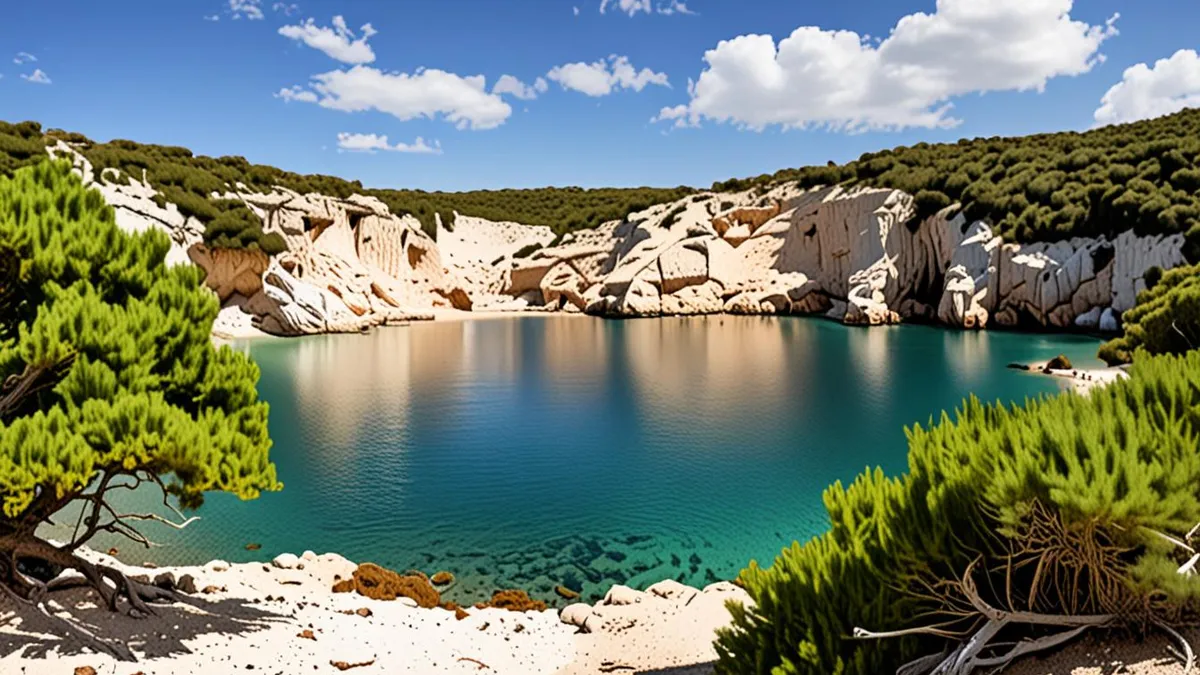
Menorca’s coastline is more varied than many first-time visitors expect. The north coast has wilder coves with reddish sand and a rugged, wind-swept character, while the south-coast calas feature fine pale sand, clear shallow water and pine trees that provide welcome shade in the afternoon.
Getting to the sand
Here is the practical trade-off. Menorca’s coves often require short walks down footpaths or careful driving along dirt tracks, so allow extra time and wear decent shoes. Mallorca’s beaches are generally easier to reach by car or bus, and many have parking, boardwalks and facilities right at the shore.
If you are traveling with small children, shallow, gently shelving water is easier to find in Menorca. Many of its south-coast calas stay calm and knee-deep far from the shore, which makes them ideal for toddlers and cautious swimmers. Mallorca has family-friendly beaches too, but you will want to choose your base carefully to get that same gentle entry.
When to Book: Seasons and Prices in the Balearics
Timing your booking matters more in the Balearics than in many Mediterranean destinations, because the best resort rooms and the best rates both disappear early. For July and August stays, book 2–4 months ahead to secure your choice of resort and better rates. Leave it later and you will often be choosing between leftover rooms at inflated prices.
Shoulder season value
The sweet spot for most travelers is May, September and October. The sea is warm, crowds are thinner, and standard double rooms in resort areas typically run roughly €90–180 per night. In Mallorca’s main resort strips, peak-season rates commonly run €180–350 per night, so a shoulder-month trip can cut your accommodation costs significantly while the weather stays genuinely beach-friendly.
Menorca operates on a shorter calendar than Mallorca. Most hotels open around April or May and wind down by October, so visiting outside that window means fewer options and some beach restaurants and facilities that may already be closed. If you want Menorca, plan within its season.
One more option worth considering: island-hopping is possible by ferry, with crossings between Mallorca and Menorca taking about 2–4 hours. Some travelers split a longer trip between both islands, booking each leg separately to match the pace of each place.
Getting There and Around: Flights, Airports and Transport
Palma de Mallorca airport handles the bulk of Balearic flights, which means the widest route network and often the cheapest fares, especially if you are flying from Europe on a budget carrier. Menorca airport has fewer, often pricier connections, so compare fares for both islands before committing, particularly in high season. If your dates are flexible, flying into one island and out of the other can sometimes save money, though you should confirm this option with your airline or booking site before you plan the rest of the trip.
Once you land, your transport needs differ sharply between the islands. Car hire is essential in Menorca for reaching the scattered coves, and strongly recommended in rural Mallorca, where many of the best villages, viewpoints and small calas sit well beyond any bus route. Book rental cars early for summer trips, as availability tightens quickly and prices climb as the season approaches. Automatic cars are in especially short supply, so reserve one as soon as you have your flights.
Size matters here too. Mallorca is about 550 km around versus about 200 km for Menorca, so exploring Mallorca properly means more driving time between sights. On Menorca, you can reach nearly any cove within a comfortable drive of your base, which makes last-minute beach decisions far easier.
- Parking at coves: Menorca’s popular calas have small dirt parking areas that fill by mid-morning in summer, so arrive early rather than circling late.
- Resort shuttles: In Mallorca’s main resort zones, many hotels run or partner with airport transfer shuttles, which can work out cheaper than taxis for families.
- Bus coverage: Buses work well in Mallorca’s main resort strips but are limited elsewhere, so check timetables before relying on them for rural or evening travel.
- Wind on the north coast: Menorca’s northern tramuntana wind can make some north-coast coves choppy on certain days, so a car lets you switch to a sheltered south-coast cala easily.
Making Your Final Choice Between the Islands
So, Mallorca or Menorca? If you want variety — big resorts, nightlife, mountain scenery and the widest choice of flights and hotels — Mallorca is your island. If you dream of quieter coves, shallow family-friendly beaches and a slower pace, Menorca will suit you better.
Whichever island you pick, consider traveling in May, September or October. These shoulder months bring warm sea, thinner crowds and double rooms at roughly €90–180 per night, a friendlier balance of price and calm than the peak summer rush. Have you chosen your island yet, or are you still torn? Leave a comment with your plans, or share this article with a travel partner who needs to decide.