Wales packs dramatic coastlines, rugged mountains and green valleys into a small country, which makes it a fantastic glamping destination. The catch is that the wrong choice can turn a dreamy break into a wet, cold disappointment. A bell tent on an exposed headland in November is a very different experience from a heated pod in the same spot in June.
This guide to glamping in Wales walks you through the decisions that matter most. We compare the four best areas, from Snowdonia’s peaks to Pembrokeshire’s beaches, and explain how Welsh seasons affect prices, crowds and comfort. You will also find advice on matching your stay type to the weather, booking at the right time, and packing for conditions that can change by the hour. By the end, you should be able to pick an area, a month and a tent style with confidence.
Best Areas for Glamping in Wales
Wales is small enough that you can drive across it in a few hours, but the regions feel completely different. Your first decision should be what kind of landscape you want outside your tent door: mountains, waterfalls, beaches or empty hills. Each of the four main glamping areas rewards a different type of trip, so it pays to match the region to your plans before you look at individual sites. A pod tucked under a mountain wall feels nothing like a safari tent on a farm above a sandy bay.
Think about how much driving you want to do, too. Sites near Cardiff and the Brecon Beacons are easy to reach from south-east England, often within two to three hours of the motorway network, which makes them a good pick for a first Welsh trip or a weekend with young children. Mid Wales and Snowdonia take longer to reach but feel far wilder once you arrive, with winding country lanes, sheep-filled hills and villages where the mobile signal fades. Here is how the four areas compare:
- Snowdonia (Eryri): expect steep, rewarding hikes straight from your site, and look for glamping near Betws-y-Coed or Beddgelert, where you can walk to cafes and shops between mountain days. Slate-quarry valleys and lakes give the scenery a dramatic edge you won’t find elsewhere in Wales.
- Brecon Beacons (Bannau Brycheiniog): the dark-sky status here means genuinely dark nights for stargazing, and waterfall country offers gentle walks when the weather turns. The national park is also compact, so you can base yourself once and reach caves, canals and ridge walks without long drives.
- Pembrokeshire coast: family-friendly farm sites put you close to sandy beaches, and stretches of the Coast Path let you plan a different clifftop walk each day. Seaside towns such as Tenby and St Davids add pubs, boat trips and castle visits for rest days.
- Mid Wales and the Elan Valley: remote sites here come with fewer crowds and often lower prices, plus reservoir walks and cycling routes that rarely feel busy. It suits travelers who want real quiet rather than a long list of attractions.
When to Go: Seasons in Wales Explained
Timing makes or breaks a glamping trip in Wales, because the difference between July and November is not subtle. Peak season runs from late May to early September, with July and August the busiest months. You get the warmest weather, the longest days and the widest choice of sites, but you also pay the highest prices and share popular areas with school-holiday crowds.
The sweet spot for most travelers is May, June and September. The weather stays mild, the trails and beaches are calmer, and prices often run 20–30% below peak rates. If your dates are flexible, these three months deliver the best value in the Welsh calendar.
Autumn and winter: what to expect
October brings beautiful autumn color to the valleys, but it also brings the first Atlantic storms, and many sites begin to close for the season. From November to March, most glamping sites shut entirely. If you find one that stays open, expect cold nights near or below freezing, and read our guide on how cold glamping gets in autumn and what to pack before committing.
Matching the Area to the Season
Once you know the seasons, the next step is pairing the right region with the right month. The mountains and the coast behave very differently in Welsh weather, and a site that is perfect in August can feel exposed and bleak in late autumn.
Mountains and coast
Snowdonia and the Brecon Beacons are at their best from May to September, when trails are drier and daylight stretches long enough for full hiking days. Outside that window, steep paths turn muddy and slippery, and cloud can sit on the summits for days. Pembrokeshire also shines from May to September, but if you want quieter beaches, aim for June or September to skip the busiest school-holiday weeks.
Mid Wales works well in the shoulder months, when its remote sites are quieter and cheaper than the famous hotspots. If you are weighing up whether a tent-style stay suits you at all in cooler months, our comparison of glamping and cabins for a nature break breaks down the comfort trade-offs.
When to be cautious
Avoid exposed coastal and mountain sites in October and November, when Atlantic weather hits hardest. Gales and heavy rain are common, and a flimsy unit on an open hillside is a poor place to wait them out. If you must travel in those months, choose a sheltered, well-insulated site or reconsider your dates.
Choosing Your Stay Type
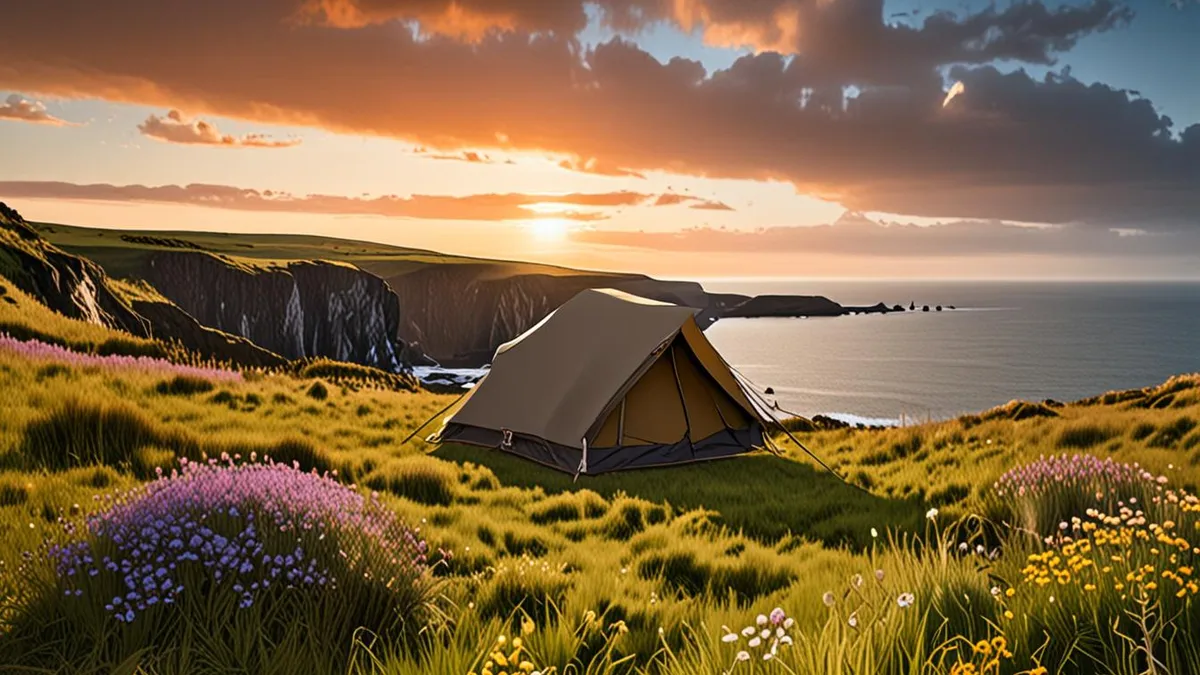
Not all glamping stays handle Welsh weather equally well. A canvas bell tent that feels magical on a calm July evening in Pembrokeshire can be a miserable place when Atlantic rain sweeps in. Matching your stay type to the season and the site’s exposure is one of the biggest decisions you’ll make.
Glamping pods are the safest all-rounder. They’re solid, insulated wooden cabins, so they stay warm in cooler months and cope with wind on exposed mountain sites in Snowdonia or the Brecon Beacons. If you’re traveling outside high summer or booking anywhere with a serious view, a pod is the choice that rarely lets you down.
Tents and larger canvas stays work beautifully in the right conditions. Bell tents are quick to set up and suit short summer trips on calm, sheltered farm sites, while yurts and safari tents give families real space to spread out on week-long stays. For a detailed breakdown of how the two most popular options compare, this guide to bell tents versus glamping pods walks through the trade-offs.
- Treehouses and luxury units: These sit at the top of the price range, typically £120–£200+ per night in peak season, but you get proper insulation, big windows over the scenery and often extras like private hot tubs or wood stoves.
- Safari tents: With separate bedrooms, a full kitchen and real beds, these suit families who want a camping atmosphere without sleeping bags or a shared washblock.
- Yurts: The round shape and central stove make them cozy on chilly shoulder-month nights, though you’ll usually need to light and tend the fire yourself.
- Shepherd’s huts: Compact and often on working farms, these are a good middle ground for couples who want pod-level weather protection with a bit more character.
How to Book Glamping in Wales
Glamping in Wales rewards early planners, especially if you have your heart set on a specific site, a particular type of unit or a peak-season week. The most popular pods, yurts and treehouses in the best locations can disappear months in advance, while shoulder-month trips are far more forgiving on both timing and price. A little strategy goes a long way, so here’s how to approach booking your Welsh glamping trip.
- Book 4–6 months ahead for July and August. These are the busiest months of the peak season, and school-holiday weeks fill first. Coastal sites in Pembrokeshire tend to be the most competitive of all, since families lock in beach-side units early. If you’re tied to specific dates in peak summer, treat booking as soon as dates open as essential rather than optional.
- Use the shoulder months for flexibility. Trips in May, June and September can often be booked just 4–8 weeks out, and you’ll usually find better availability, a wider choice of units and lower prices at the same time. If your dates are loose, this is the easiest way to get more for your money.
- Check exactly what’s included before you pay. Heating, bedding, kitchen access and bathroom facilities vary widely between sites. Some pods come with full en-suite facilities and a stocked kitchen; others mean you bring your own sleeping bag and walk to a shared washblock. The listing usually spells this out, so read it carefully before committing.
- Prioritize flexible cancellation outside summer. Welsh weather makes plans changeable, and a storm can turn a coastal week into a washout. A booking you can move or cancel without losing the full amount is worth a small premium in the shoulder months.
One last practical tip: once you’ve booked, confirm arrival and check-in details a few days before you travel. Many smaller sites are family-run, with keys left in a lockbox or owners meeting guests by arrangement rather than keeping a staffed reception. A quick message ahead of time saves real confusion after a long drive, especially if you’re arriving in the evening or in poor weather. It’s also a good moment to double-check directions, since some rural sites sit down narrow lanes where satnav can be unreliable.
What to Pack for Welsh Weather
Welsh weather doesn’t respect the calendar, and even a warm July afternoon can end with a chilly, damp evening. The right packing list is the difference between a cozy stay and a soggy one, so pack for all four seasons regardless of when you go.
Start with the non-negotiables: waterproofs and sturdy footwear belong in your bag year-round, even for a summer trip. A shower-proof jacket isn’t enough; bring a proper waterproof with a hood, and shoes with grips that handle wet grass and rocky trails. Nights stay cool even in summer in the mountains, so warm layers and thick socks matter just as much in August as they do in May.
Remote sites add their own demands. At glamping spots in Mid Wales and up in Snowdonia, you can be a long drive from any shop, and lighting around a dark field can be patchy at best. Pack as if the nearest convenience store is an hour away, because it often is.
- Torches and power banks: Bring a head torch each rather than one phone flashlight, plus a portable power bank, since remote sites in Mid Wales and Snowdonia often have limited or no charging points in the units themselves.
- Wellies: Muddy ground between the car park and your unit is near-inevitable after rain, and a pair of wellies keeps the rest of your footwear dry for actual walks.
- Indoor slippers: Pod and hut floors stay cold even with heating on, and thick slippers make early mornings and nighttime trips far more comfortable.
- Dry bags or bin liners: These keep wet walking gear separate from your clean clothes and bedding on the drive home.
Wrapping Up Your Welsh Glamping Plan
Wales has no shortage of dramatic places to sleep under canvas or in a cozy pod, but the difference between a memorable trip and a soggy, shivering one usually comes down to two choices: where you go and when. Start by picking your area first. If you want mountains and steep trails, Snowdonia (Eryri) or the Brecon Beacons (Bannau Brycheiniog) are your picks. If it is beaches and the Coast Path, head for Pembrokeshire. And if you crave real quiet, remote Mid Wales delivers it, often at lower prices too.
Timing matters just as much. May, June and September hit the sweet spot, with milder weather, thinner crowds and prices well below peak summer. If you must travel in July or August, book 4–6 months ahead and choose a weather-proof stay type like a pod rather than a bell tent. Got a favorite Welsh glamping spot or a question about planning your trip? Leave a comment or share this article with a fellow traveler.