Many first-time travelers love the idea of renting a villa in Croatia, then freeze at the booking page. How much should a week really cost? Why do some villas only accept Saturday arrivals in summer? What happens with deposits, cleaning fees and that mysterious tourist tax? These are fair questions, and the answers on the ground often differ from what listing sites suggest.
This guide walks you through the whole process, from budgeting and picking the right season to choosing between Istria, Dalmatia and the Dubrovnik coast. You’ll also learn how far ahead to book, what a typical stone villa actually offers, and how check-in and driving logistics work once you land. By the end, you’ll know exactly what to confirm before paying that deposit.
What Renting a Villa in Croatia Really Costs
Villa prices in Croatia swing more by season than by size. In peak season, late June through late August, a three to four bedroom coastal villa typically costs €2,000–€6,000 per week. The same property in May, June or September usually drops to roughly €1,200–€3,500, so shifting your dates by a few weeks can save a third of the budget or more.
The extras that add up
Advertised rates rarely tell the whole story. Air conditioning is sometimes metered separately, especially in older stone houses, so ask before you book if you plan to run it daily. Final cleaning is occasionally charged as an extra, often in the range of €100–€200, and a tourist tax is collected locally rather than included in the rental price. The tourist tax amount changes from year to year, so check the current rate with your host or local tourist office before you travel. None of these are hidden traps, but they belong in your budget.
Location matters just as much as the calendar. Inland villas and properties in Istrian hill towns run noticeably cheaper than waterfront homes on Hvar, Brač or anywhere near Dubrovnik. A ten minute drive from the coast can mean a substantially lower rate for a bigger pool and more privacy, which suits many families better than paying a premium for the water’s edge.
Choosing the Right Season for Your Villa Stay
Croatia’s villa calendar is shaped almost entirely by the sea. From late June to late August, sea temperatures reach 22–26°C, ferries run their full schedules and beaches are at their busiest. If you want buzzing waterfront towns, warm night swims and every boat connection operating, this is your window, provided you accept crowds and peak prices.
The shoulder-season sweet spot
May–June and September–early October suit travelers who want warm swimming with fewer people around. Sea temperatures sit at 19–24°C, which many swimmers find perfectly comfortable, and villa rates drop noticeably. Restaurants are easier to book, roads are calmer and the light is softer for photos.
One thing to know before you fall in love with an off-season listing: many coastal villas simply close between November and March. Off-season options are mostly inland properties or villas near cities, which work well for city breaks rather than beach holidays.
Another practical detail concerns changeovers. In July and August, villa owners usually enforce Saturday-to-Saturday bookings with minimum stays of 5–7 nights. If your flights only align midweek, you may need to build a hotel night or two around your villa week, so check changeover rules before booking anything else.
Where to Base Yourself: Coastal Regions Compared
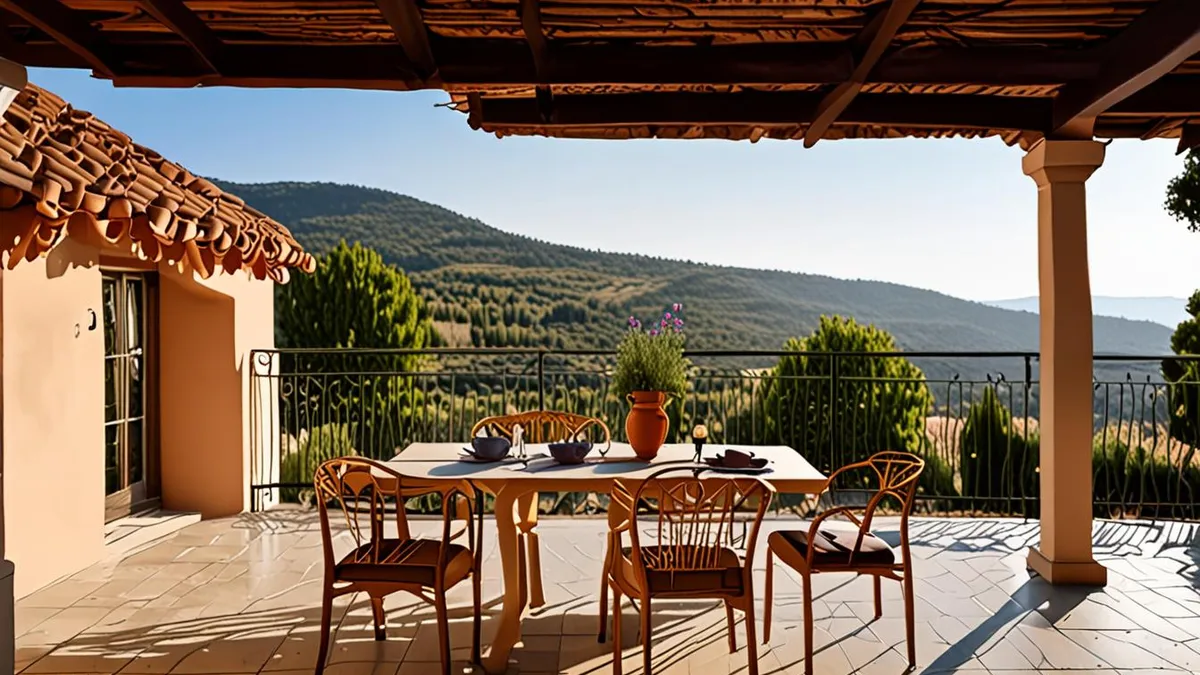
Croatia’s coastline is not one uniform market, and picking the wrong region is the most common booking mistake travelers make. Each stretch of coast has its own pace, price level and driving rhythm, so it pays to match the region to how you actually like to travel. A family with small children and a rental car will be happiest somewhere very different from a couple chasing island nightlife or a group of friends who want a dramatic terrace view above the sea. For a deeper comparison of the main areas, this guide to Croatia’s coastal villa areas breaks the choices down further.
As a quick orientation, here is how the main regions differ:
- Istria: Everything sits close together, so drives stay short and day trips rarely eat up your holiday. The interior adds truffle-country scenery around Motovun-style hill towns, and the family beaches near Rovinj and Poreč are gentle and shallow, ideal with young children.
- Dalmatia (Split to Makarska): This stretch offers the widest villa choice in the country and the easiest island-hopping, with regular boats to Brač, Hvar and Šolta that work well for day trips from a mainland base.
- Around Dubrovnik: Expect the highest prices on the coast, but also the most dramatic cliffside sea views from villa terraces. Keep in mind the city sits about 230 km from Split by road, which shapes any two-center itinerary.
- Kvarner and the northern islands: These see fewer visitors and better value, with cooler shoulder-season weather that suits hikers and travelers who prefer mild days over hot ones.
If you’re torn between regions, decide first whether your priority is short drives, island access or views. That single answer usually points clearly to one coast, and it will also narrow your villa search considerably.
Booking Timeline and How to Secure Your Dates
Croatian villas in the best coastal spots book out earlier than most travelers expect, especially the ones with sweeping sea views and a short walk to the water. The pattern is predictable: families and groups lock in their favorite properties as soon as calendars open, and by spring the pickings on the most desirable stretches of coast are slim. Planning your booking around a simple timeline makes the difference between first pick and whatever is left in October.
- For July and August, reserve 6–9 months ahead. The most desirable sea-view villas sell out first, often by the previous autumn. If you want a specific week in peak summer, treat it like booking a wedding venue and commit early.
- For May, June and September, booking 2–4 months ahead is usually enough. Shoulder-season availability is far better, and you can often still find excellent villas a couple of months out. That said, the top properties still go first, so don’t wait until the last minute if you have a specific one in mind.
- Expect a 30–50% deposit to confirm. Most owners and agencies won’t hold dates without it. The remaining balance is typically due 4–8 weeks before arrival, so note that deadline when you book.
- Read the cancellation terms carefully before paying. Peak-season villa bookings often have stricter refund windows than hotel rates, and some deposits are non-refundable once paid. If your plans could shift, ask exactly what happens if you cancel at three months, one month, or one week out.
One extra tip: put the balance-due date in your calendar the moment you book. Missing it can technically release your dates to someone else, and a quick email to the agency a week before is always appreciated. It also helps to confirm practical details at the same time, such as check-in windows and whether the agency will meet you in person on arrival. A short message now saves a scramble later.
What the Villa Itself Will Be Like
The classic Croatian villa is a converted stone house, and in Dalmatia and Istria that describes most of what you’ll rent. Expect 3–5 bedrooms, thick walls that keep interiors cool, a private pool and shaded terraces built for long dinners that stretch past sunset. Many retain original features like exposed beams and stone sinks, paired with modern bathrooms and air conditioning.
The pool situation
Pools are typically 8–12 m long and unheated, so swimming is comfortable roughly May through October. In the height of summer the water is genuinely refreshing; in May or late September it can feel brisk, especially at hillside villas. If swimming is the main point of your trip, a coastal villa in the warmer months is the safer bet than an inland property early in the season.
Kitchens, supplies and deposits
Kitchens are usually well equipped for proper cooking — decent stoves, fridges sized for a family, and enough plates and glasses for everyone at the table. The catch is location: in rural and hillside areas, supermarkets and restaurants can be a 10–20 minute drive away, so plan a big shop on arrival day rather than expecting a corner store down the lane.
Finally, budget for the security deposit. Owners commonly collect €300–€1,000 in cash or by card on arrival and refund it at checkout, assuming nothing is broken. Ask in advance how it’s taken and whether cash is required, so you’re not hunting for an ATM after a long flight.
Arrival, Check-In and Getting Around
Arrival day goes much more smoothly when you know the rhythm. Standard check-in runs 15:00–17:00 and check-out is 10:00–11:00, which matters if you have a long drive ahead or a late-afternoon flight. If you’re landing after 20:00, ask about late arrival fees when you book — some hosts charge extra for meeting you at night, and a few smaller agencies simply can’t arrange it at all.
Unlike some Mediterranean destinations where you might collect a key from a lockbox, Croatian rentals usually work differently: hosts or local agencies meet you in person, walk you through the house, and hand over the keys face to face. That’s great for local tips, but it means your arrival time needs to be accurate. If a flight or ferry delay is coming, message ahead — a host waiting at the gate for two hours is not a happy host. If you’re weighing a Croatian island stay against similar setups elsewhere, our guide to choosing a villa for an island holiday in Greece covers many of the same logistics.
- A hire car is essential for most rural and hillside villas. Distances to beaches, shops and restaurants add up quickly on winding roads, and taxis in village areas can be scarce. Book the car at the same time as the villa in peak summer.
- Island villas require ferry or catamaran planning. Car ferries fill up in July and August, so reserve a vehicle slot in advance rather than hoping for space on the day.
- Know your driving times. Split to Dubrovnik is about 230 km, roughly 3.5–4.5 hours including the Neum border crossing stretch — factor that into any transfer or day-trip plans.
- Confirm the meeting point in writing. Rural villas can be hard to find, and street addresses are often vague. Ask for GPS coordinates or a landmark description before you set off.
Wrapping Up Your Croatian Villa Plan
Renting a villa in Croatia is far more predictable once you know the ground rules. Budget roughly €1,200–€6,000 per week depending on the season and region, and if you want a peak-summer sea-view villa, book six to nine months out. Shoulder-season stays in May, June or September are easier to secure and easier on the wallet.
Choose your base based on what matters most to you: Istria for short drives and family beaches, Dalmatia for the widest villa choice and island-hopping, or the Dubrovnik coast for dramatic views at the highest prices. Before paying the balance, confirm the changeover days, the deposit terms and your car or ferry logistics. If anything is still unclear, leave a comment below or share this article with someone planning the same trip.