Picking where to stay in Copenhagen looks simple on a map. The neighborhoods sit close together, the distances seem short, and every district appears to offer the same mix of hotels and apartments. In practice, they feel very different once you arrive. Prices, noise levels, transport links and the general mood change from one block to the next, and the base you choose can shape your entire trip.
This guide compares Copenhagen’s main neighborhoods so you can match one to your travel style. We look at the walkable historic center of Indre By, the food and nightlife scene in Vesterbro and the Meatpacking District, the creative street life of Nørrebro, the calm canal-side setting of Christianshavn and Islands Brygge, and the budget-friendly, design-led areas of Refshaleøen and Amager. We also cover when to book and how to judge the real cost of a cheaper room outside the center, then wrap up with a quick recap to help you choose your base.
Indre By: Best for First-Time Visitors Who Want Everything Walkable
Indre By is Copenhagen’s historic center, and it earns the “best for first-timers” label through sheer convenience. Tivoli Gardens, Nyhavn and the shopping street Strøget all sit within 1-2 km of each other, so you can walk between the city’s biggest sights without ever checking a timetable. Even the harbor promenade and most museums fall within an easy stroll, which means most sightseeing here needs no transport at all.
What you pay for the location
That convenience comes at a price. Indre By has the highest hotel rates in the city, and in summer you should expect mid-range doubles around DKK 1,500-2,000 per night. You are paying for the address rather than extra space, and rooms in this district tend to be compact by nature. If your stay is short, that trade can still make sense.
Who it suits best
Indre By works best for short stays of 2-3 nights, where location clearly outweighs cost. If you only have a weekend, waking up steps from Nyhavn and walking home from dinner saves hours you would otherwise spend in transit. For longer trips, the premium starts to feel harder to justify.
One practical tip: the streets immediately around Strøget can feel noisy at night, especially on weekends when bars and crowds spill late into the evening. Look for rooms on side streets a block or two away from the main shopping drag. You keep the walkable location but gain a quieter night’s sleep, which matters more than most travelers expect.
Vesterbro and the Meatpacking District: Best for Food and Nightlife
Vesterbro sits just west of the historic center, a 10-15 minute walk from Copenhagen Central Station and the heart of the old town. That proximity is the neighborhood’s quiet advantage: you get central access without central prices or central crowds. The streets here feel more residential, with cafés, bakeries and small bars serving locals rather than tour groups.
The Meatpacking District after dark
The main draw for many travelers is the Meatpacking District, where a handful of converted slaughterhouse halls now concentrate restaurants, bars and galleries in one compact area. On a summer evening, the courtyards between the halls fill up with people moving from dinner to drinks to late-night galleries. If your idea of a good trip involves planning evenings out rather than early starts, this is the part of Copenhagen built for you.
Prices and who should book here
Rates in Vesterbro typically sit a notch below those in Indre By, so you often save a meaningful amount while staying within easy walking distance of the center. Exact prices shift with the season, so compare a few dates before booking. The walk back from the old town at night is short and straightforward, which makes the neighborhood practical as well as lively.
Vesterbro is a good pick for couples and groups of friends who want energy and good food on their doorstep. It is less ideal if you plan dawn departures for day trips, since the late-night buzz around the Meatpacking District can carry into the streets. Check that your room faces a quieter side street if you are a light sleeper, and you get the best of both worlds here.
Nørrebro: Best for a Local, Creative Neighborhood Feel
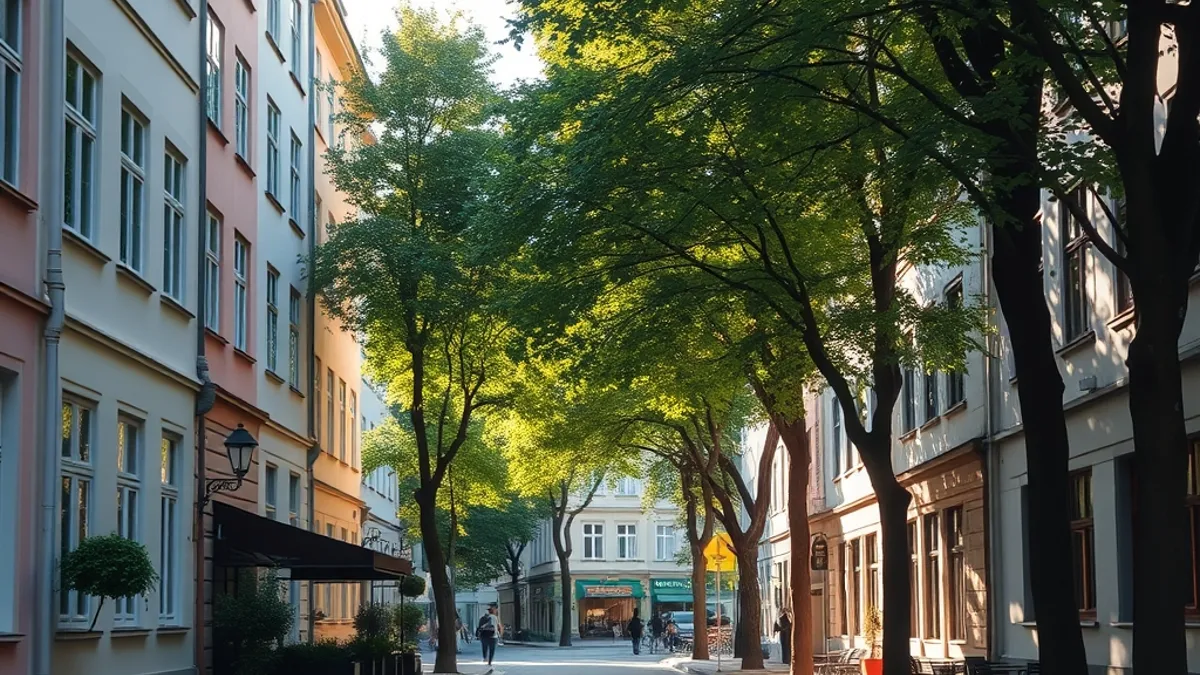
Nørrebro sits just outside the historic center, close enough to keep every major sight within easy reach but far enough that the neighborhood has grown an identity all its own. This is where Copenhagen feels most local: you will hear several languages on the street, pass independent shops rather than chains, and eat at restaurants that residents actually queue for. A quick ride on the metro or bus connects you to the center, so you lose very little convenience in exchange for a much more lived-in atmosphere.
The streets that define the area
Two spots capture the area’s character. Jægersborggade is a short street packed with ceramics studios, coffee roasters and small galleries, and it has become the neighborhood’s showcase for independent makers. A short walk away, Superkilen park adds a burst of color with its sloped red and green surfaces and its mix of street life, skaters and families. Between them, you find vintage stores, record shops and some of the city’s most diverse eateries, from Middle Eastern bakeries to modern Nordic cafés.
Why longer stays work here
Nørrebro rewards travelers who plan to settle in rather than sightsee flat out. Cafés to work from, grocery options on every corner and a genuine neighborhood rhythm make it ideal for stays of 4 nights or more, when you want to live like a local instead of moving hotel to hotel. If you enjoy comparing how different cities handle neighborhood life, the same logic applies in Vienna’s best neighborhoods for first-time visitors, where the outer districts offer a similar trade of character for convenience.
Prices strengthen the case. Rates in Nørrebro often run noticeably below the city center for similar quality, and that difference adds up quickly over the course of a week. You trade a short metro or bus ride for the saving, and for most travelers that is an easy exchange: mornings with proper coffee and quiet streets, afternoons and evenings just minutes from the sights.
Christianshavn and Islands Brygge: Best for Canal Views and Calm
If you picture your Copenhagen mornings with water outside the window rather than traffic, Christianshavn and Islands Brygge are worth a serious look. Both sit across the harbor from the historic center, and the ride in by bike or metro typically takes 20-30 minutes. The streets here are lined with old warehouses, sailboats and houseboats, and the whole area feels noticeably calmer than the center.
The harbor bath is the summer draw
From June to August, Islands Brygge’s harbor bath becomes the neighborhood’s social heart. Locals swim in the clean harbor water, sunbathe on the wooden decks and picnic along the quays. If you are visiting in summer, a room within walking distance means you can join the evening swim crowd instead of watching from afar.
This part of the city suits travelers who value space and quiet over being steps from the sights. You trade convenience for scenery: expect a commute to Tivoli or Nyhavn, but come home to peaceful, residential streets. One practical warning: there are fewer hotels here than in other districts, and the small boutique options tend to book out early in high season. If a canal-side base appeals to you, reserve well ahead rather than hoping for last-minute availability.
Refshaleøen and Amager: Best for Budget-Conscious and Design-Led Stays
Refshaleøen and the wider Amager area grew up around shipyards and industry, and for years much of this land sat empty. Today the former industrial zones have been taken over by design hostels, street-food halls, galleries and creative studios. It is the most modern, forward-looking corner of Copenhagen’s accommodation scene, and also the most affordable.
The trade-off is distance. These areas sit on the far side of the water from the old town, so you will need a bike or the metro to reach the main sights. That said, Copenhagen’s transport network is fast and reliable, and cycling here is genuinely pleasant rather than a chore. In summer, hostel beds and small rooms often cost 30-50% less than comparable central hotels, which adds up quickly over several nights.
This is the right base if you are happy to commute in exchange for lower prices and a modern scene. It works especially well for:
- Design lovers: the hostels and hotels here are often architect-converted industrial buildings, with interiors you will not find in the center.
- Food explorers: the street-food halls give you dozens of affordable dinner options within a short walk of your bed, no reservation needed.
- Bike renters: the flat, harbor-side cycle routes into the center are among the most pleasant commutes you will find in any European capital.
One practical tip: check how late the metro and buses run near your chosen stay if you plan long evenings out, and confirm current room rates before booking, as prices here have been creeping up as the area gains popularity.
When to Book and How to Pay the Right Price in Copenhagen
Copenhagen hotel prices swing more with the season than many travelers expect, and the difference between booking well and booking late can easily cover a nice dinner for two. The good news is that the rules are simple, and none of them require hours of research. Work through the four points below before you commit to a room, and you will rarely overpay.
- Know the high season: rates peak from June to August, when the same room can cost noticeably more than in winter. If your dates are flexible, shifting a city break to late spring or early autumn often stretches your budget further without changing what you can see and do.
- Time your booking: for summer trips, book 2-3 months ahead to get real choice at sensible prices. From November to March, 3-4 weeks ahead is usually enough, though events and conferences can tighten availability at short notice.
- Budget realistically: a mid-range double costs roughly DKK 1,200-2,000 per night in high season, and noticeably less in winter. Decide your ceiling before browsing, because attractive photos make overpriced rooms look reasonable.
- Compare total cost, not room price: add transport to your calculation. A cheaper room across the harbor may not save money on a short stay once you add daily metro fares or bike rentals, especially if you plan to return to the hotel midday.
One last tip: check whether your preferred hotel charges for breakfast, luggage storage after checkout or bike hire, since these extras vary widely and can shift which neighborhood actually comes out cheapest. A family paying for four breakfasts daily may be better off in a slightly pricier room with breakfast included. A few minutes comparing the full picture across two or three districts is usually the difference between an overpriced room and a well-chosen base.
Choosing Your Base: A Quick Recap
On a map, Copenhagen’s neighborhoods can all look interchangeable, but each one shapes your trip in a different way. Indre By puts the sights within walking distance, Vesterbro wins for food and nightlife, and Nørrebro delivers a local, creative feel. Christianshavn and Islands Brygge offer calm canal-side stays, while Refshaleøen and Amager trade a short commute for lower prices.
The right choice depends on how you travel: a short sightseeing trip suits the center, a longer stay rewards a quieter or more local base. Timing matters just as much — booking 2-3 months ahead for summer or 3-4 weeks ahead in low season can make a bigger difference than the neighborhood itself. If this guide helped you plan your stay, leave a comment or share it with a fellow traveler.