Before you book a spa escape, two questions come up again and again: what does the price actually cover, and how much should you set aside per night? Wellness resorts in Spain vary enormously, from simple thermal hotels in the mountains to doctor-led medical spas on the coast, and the difference between them is not always obvious on a booking page.
This guide walks through the details that matter. We break down what a typical stay includes, what you can expect to pay per night in low and high season, and which regions suit different goals. You will also find advice on the best months to travel and how far in advance to book, how relaxation stays differ from detox or medical programs, and the extra costs that often catch travelers off guard. By the end, you should be able to match a resort type, a region and a budget to the trip you actually want.
What Wellness Resorts in Spain Typically Include
Most wellness resorts in Spain build their packages around a simple core: a room plus either breakfast or full board. Full board is the more common basis at spa-focused properties, since guests often eat most meals on site, and many resorts tailor menus to light or healthy eating even on standard stays. Half-board arrangements, with breakfast and dinner, are also frequent outside the strictest program-based retreats.
The second pillar of almost every stay is unlimited use of the wet and fitness facilities. Once you have checked in, you can typically move between the thermal circuit and the gym as often as you like, without paying per visit. Expect the following to be part of the standard package at most properties:
- Thermal pools and hydrotherapy areas — heated indoor pools, often with jets, bubble seats and cold-plunge basins, open throughout the day.
- Saunas and hammams — Finnish saunas, steam rooms and hammams, usually grouped in a “circuit” with rest or relaxation rooms between sessions.
- Fitness areas — gyms with cardio and weights equipment, sometimes supplemented by scheduled group classes included in the rate.
- Relaxation zones — quiet loungers, heated lounges or garden areas reserved for spa guests, which matter more than you might think on a multi-day stay.
On program-based stays, such as detox or medical packages, a welcome consultation or basic health check is usually part of the deal. A doctor or therapist reviews your goals and medical history before your treatment plan is set. What is generally not included: individual spa treatments, personal training sessions and excursions. These are billed separately, so check the price list before you arrive rather than after.
How Much Wellness Resorts in Spain Cost per Night
Nightly rates for wellness resorts in Spain follow a predictable seasonal pattern. In low season, a double room with board at a mid-range spa hotel typically costs €150-250 per night. That basis usually includes breakfast or full board plus access to the pools, sauna and fitness areas, so the headline price covers more than a plain hotel stay would.
In high season, the picture changes sharply. From June to September, and especially on the islands and the coast, expect €300-600+ per night for comparable full-board stays. Demand from both wellness travelers and regular holidaymakers pushes rates up, and the most sought-after resorts on Mallorca, Tenerife or the Costa del Sol sit at the top of that range. Book early if you have fixed summer dates.
Program-based retreats work differently
Structured retreats — detox weeks, weight-loss programs, medical or thalasso packages — are often priced per week rather than per night. A multi-day program bundles accommodation, meals, consultations and a schedule of treatments into one package price, commonly built around 5-7 nights. When you compare quotes, convert the weekly price into a nightly figure and check exactly which treatments are inside the package, because that is where the real value lies.
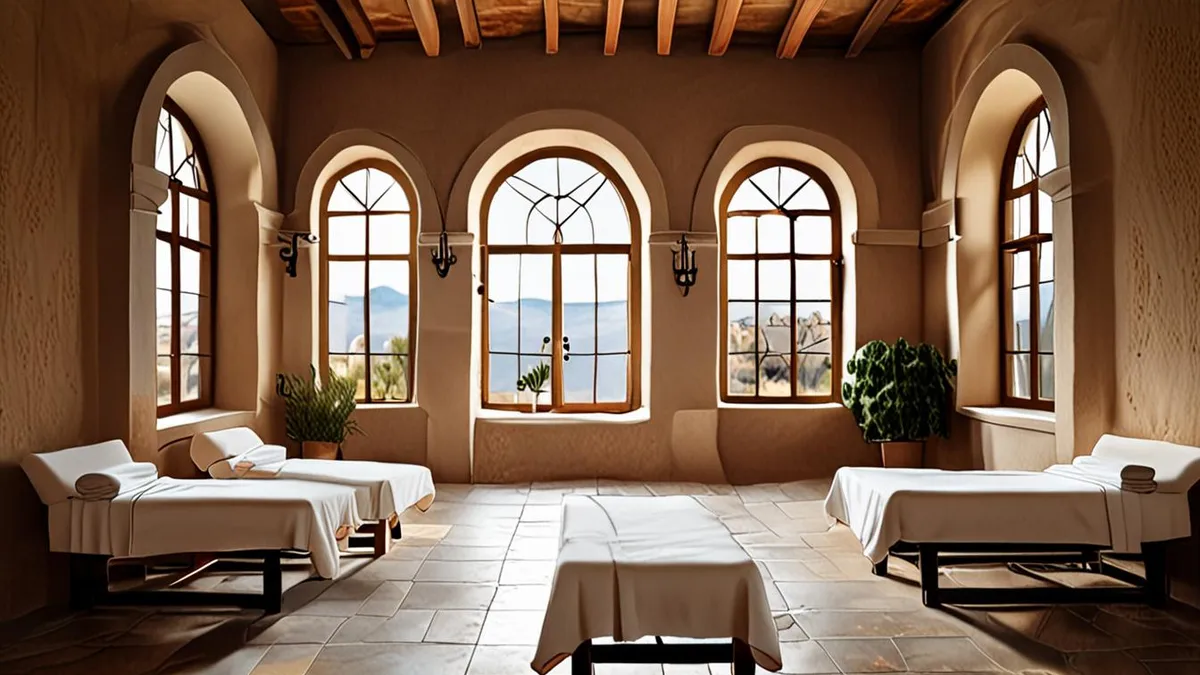
Where to Go: Spain’s Main Wellness Regions
Spain’s wellness resorts cluster in a few regions, each with a distinct character. Choosing the right one matters as much as choosing the right property, because the setting shapes what your days outside the treatment room look like.
Andalusia and the Canary Islands
Andalusia offers warmth at almost any time of year, which makes it a reliable choice for a winter or early-spring escape. The Costa del Sol in particular has a strong concentration of thalasso centers — spas built around seawater treatments — often attached to beachfront resorts where you can combine the thermal circuit with walks along the shore.
The Canary Islands are the classic pick for winter sun. Volcanic landscapes give several spa properties a dramatic natural setting, and the mild year-round climate means outdoor pools and terraces stay usable in months when mainland Europe feels gray. Flight times from northern Europe are longer than to the mainland, so factor travel days into a shorter stay.
Catalonia and the Balearics
Catalonia and the Balearic Islands suit travelers who want a coastal retreat without giving up easy access. Resorts here sit within reach of Barcelona and Palma and their airports, which keeps transfer times short and makes long weekends realistic. If you like the idea of pairing spa days with city sightseeing or beach time, this part of Spain delivers both — a similar balance of coast and convenience to what you find browsing Baltic Sea coastal resorts for a beach holiday, though with far more reliable warmth.
Best Seasons and Booking Lead Times
Timing makes a bigger difference to your wellness budget in Spain than almost anything else. June through September is high season, when rates hit their peak and resorts run their full program of facilities, classes and activities. You get everything operating, from outdoor yoga sessions to poolside service, but you also share the pools, saunas and relaxation rooms with the largest crowds of the year. If you thrive on atmosphere and don’t mind noise, this can actually be part of the appeal.
May and October are the sweet spot for many travelers. Prices drop noticeably, the resort feels calmer, and the weather across most of Spain stays mild enough for outdoor pools, terraces and coastal walks. In Andalusia and the Canary Islands, these months can feel almost like summer without the summer crowds, which makes them ideal for thalasso circuits and long lunches on the terrace.
Booking lead time matters just as much. Aim to reserve around 2-3 months ahead to secure better rates, especially for July and August, when the most popular coastal and island resorts sell out early. Plan ahead if you want a specific room category or treatment schedule, since the best-value rooms and prime spa slots go first.
- Shoulder-season stays often come with more flexible check-in dates, since resorts are less strict about minimum stays when occupancy is low.
- Weekday arrivals in May or October can be quieter still, as weekend guests from Madrid and Barcelona clear out by Monday morning.
- If your heart is set on a specific detox or medical program with limited spots per week, book even earlier than the general summer rule, since these run with small groups.
- Check whether your chosen resort closes outdoor pools or certain facilities in the cooler months, as some coastal properties scale back between November and April.
Choosing Between Stay Types and Programs
Not all wellness stays in Spain work the same way, and picking the wrong type is the most common way travelers end up overpaying or feeling shortchanged. The simplest option is a relaxation stay: you book a room with breakfast or full board, and your rate includes unlimited use of the thermal pools, saunas, hammam and fitness area. Dining stays flexible, treatments are optional extras, and you shape each day as you like.
Program-based stays are more structured. Detox and weight-loss retreats run as multi-day packages that bundle structured meals, daily treatments and coaching sessions into one price. You follow a set schedule from morning to evening, which is exactly what some guests want and too rigid for others. Because these retreats price per program rather than per night, compare what is actually included before you assume a longer package is better value.
At the top end sit medical spas and thalasso centers, where a doctor designs your plan and monitors your progress. These deliver the most measurable results and usually carry the highest price tag of the three categories.
- Relaxation stays suit first-timers and couples who want spa access without committing to a fixed daily schedule or restricted menu.
- Detox programs often start on specific days of the week, so your arrival date may be dictated by the retreat’s calendar rather than your flight.
- Weight-loss programs commonly include a body composition analysis at the start and end, so you leave with data as well as habits.
- Medical and thalasso spas are a good fit for guests recovering from injury or managing conditions like circulation or joint issues, since plans are built around a diagnosis.
- Ask whether program meals can be adapted for allergies or intolerances before you book, as some structured menus are harder to customize than regular half-board dining.
Extra Costs to Budget For
The nightly rate covers less than many first-time visitors expect, so it pays to budget beyond the room. The biggest add-on is usually treatments themselves. A standard 50-60 minute spa session, whether a massage, facial or body wrap, typically runs around €60-120 depending on the resort and the region. A week with a treatment every other day can easily add several hundred euros to your bill.
Transfers are the second cost travelers forget, particularly on the islands. In the Canary Islands and the Balearics, some resorts sit 30-60 minutes from the airport, and a taxi for that distance adds up quickly, especially if you book on arrival rather than in advance.
Finally, look closely at what your board actually includes. Half-board and full-board rates usually cover water and basic drinks, but premium wines, cocktails and fresh juices often sit outside the package, and à-la-carte restaurant upgrades are billed on top.
- Ask whether your package includes a welcome treatment or consultation credit, since some resorts bundle one session in and you can top up from there.
- Pre-booking a treatment package before arrival is often cheaper than adding sessions once you are on site and browsing the menu.
- Shared or shuttle transfers arranged through the resort typically cost less than a private taxi, though they may involve stops at other hotels.
- Rental cars make sense for mainland regions like Andalusia, where day trips to white villages or coastal towns are part of the appeal, but are less useful at island resorts where you plan to stay on site.
- If you drink mostly sparkling water, herbal tea and coffee, the included board will stretch far; if you prefer fresh-pressed juices or wine with dinner, add a drinks allowance to your budget.
Planning Your Spanish Wellness Stay
A wellness resort stay in Spain usually covers the essentials you would expect: accommodation with breakfast or full board, plus free access to the thermal pools, saunas and fitness areas. Treatments such as massages, personal training and excursions are typically billed as extras, so build them into your budget from the start rather than treating them as surprises.
On price, expect roughly €150-250 per night in low season and €300-600+ in high season, with the islands and the coast at the upper end. If flexibility is an option, the shoulder months of May and October bring milder weather, fewer guests and better rates, and booking 2-3 months ahead helps for summer dates. Have you stayed at a wellness resort in Spain, or are you planning your first trip? Share your experience or questions in the comments below.