Search for a villa in Croatia and you’ll see prices ranging from €90 a night to well over €900. Both can be perfectly normal, which is exactly why so many travelers get confused. What you pay depends mainly on the season, the region and the standard of the property, not on some hidden trick. This guide breaks down what villas cost in Croatia in 2025, so you can judge whether a listing is a bargain or overpriced before you book.
We’ll walk through the realistic price ranges, how summer rates compare with shoulder months, and why a villa near Dubrovnik costs far more than a similar one in Istria. You’ll also see what you actually get at each price level, how to shave money off your total, and how Croatia stacks up against Greece, Spain and Italy. By the end, you’ll know exactly what your budget should buy.
What Villas Cost in Croatia in 2025: The Price Ranges
The first thing to understand is that Croatian villa prices span an enormous range, and every tier is legitimate. In low season, budget villas in quieter coastal spots start around €90-150 per night. These are usually smaller properties a little way inland or in less famous towns, and they suit travelers who care more about space and quiet than a seafront position.
The mid-range sweet spot
Most people booking a summer holiday land here: mid-range three-bedroom villas with pools typically cost €200-400 per night in summer. At this level you generally get a private pool, decent views and enough bedrooms for a family or two couples. It’s the bracket where Croatia’s value really shows.
At the top end, luxury seafront villas on Hvar, Brac or near Dubrovnik reach €700-1,500+ per night in peak weeks. These properties come with premium interiors, standout locations and sometimes staffed service, and they compete directly with five-star hotels.
Why per-villa pricing matters
Prices are usually quoted per villa per night, not per person. That changes the math completely for groups. A €400-per-night villa split between eight people works out at €50 each, which is difficult for most hotels to match. Always read the quote as a total for the property, then divide it by your group size to see the real per-head cost.
How the Season Changes Villa Prices
Timing is the single biggest lever on villa prices in Croatia, bigger even than location in many cases. Peak season runs mid-June to late August, when rates hit their annual maximum. If you want a seafront villa with a pool in July, you’ll pay the top of the range, and the best properties are often booked many months ahead.
Shoulder months: same weather, lower rates
May, early June and September are the shoulder months, with prices typically 30-40% below peak. The sea is warm enough for swimming by late May on most of the coast, the crowds are thinner and restaurants are easier to book. For many travelers, early June or mid-September delivers nearly the same experience for a noticeably smaller bill.
Winter and changeover rules
From October to April you’ll find the lowest rates of the year, but there’s a catch: many seafront villas simply close for winter. Owners often use the quiet months for maintenance or live in the property themselves, so availability shrinks even as prices drop. If a winter trip matters to you, check early which villas stay open.
Changeover rules also shift with the calendar. Weekly Saturday changeovers are standard in July and August, which means you’ll rarely be able to start or end a stay midweek at that time. Off-season, shorter stays of three or four nights are much easier to arrange, which is handy for long weekends and shoulder-season breaks.
Where in Croatia You Stay Changes the Price
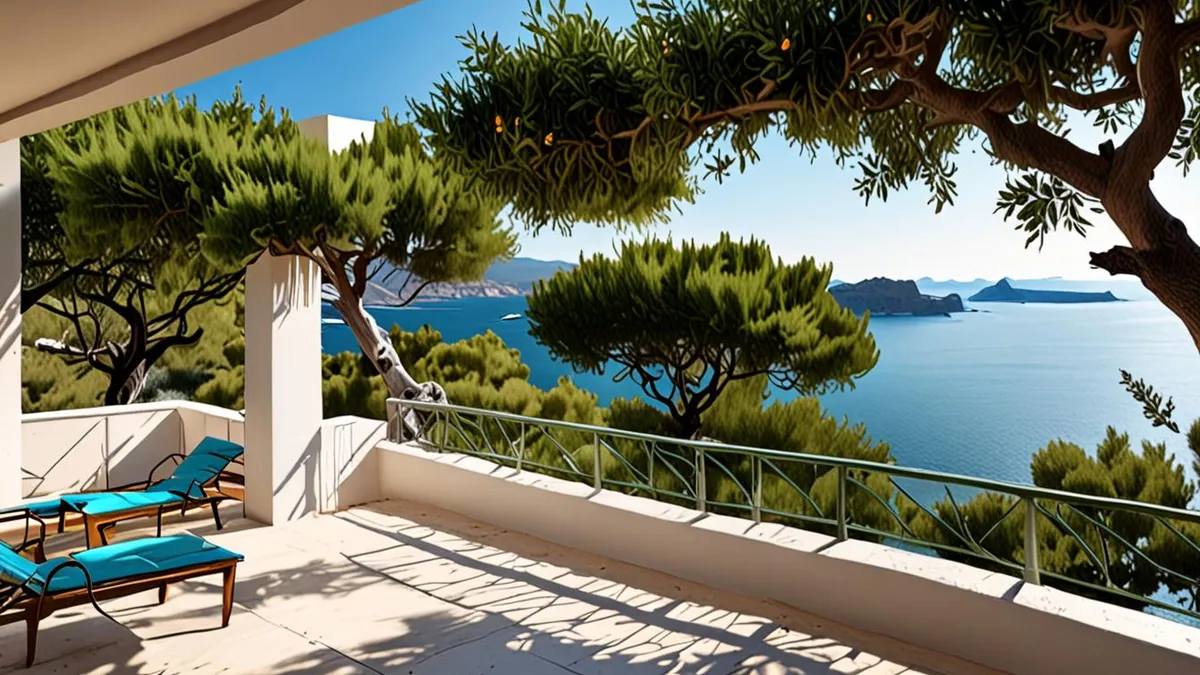
Two villas with identical pools and bedrooms can differ by hundreds of euros a night purely because of where they sit. Dubrovnik and Hvar command roughly 30-50% higher rates than Istria or northern Dalmatia, thanks to their fame, limited supply and cruise-ship-driven demand. If your budget is fixed, the region you pick may matter more than the villa itself. A modest three-bedroom place near Dubrovnik can cost the same as a far more impressive property further north.
Istria, particularly the area around Rovinj and Porec, offers better value for the same villa standard. You get the same stone architecture, good food scene and pebble beaches, usually at a noticeably lower nightly rate. Brac and the Makarska Riviera sit in the middle of the price spectrum: pricier than Istria, cheaper than Dubrovnik, with genuinely beautiful beaches. They suit travelers who want island life without Hvar-level rates.
Regional price quirks worth knowing
- Small islands cost less to sleep in, more to reach. Islands without big airports often have lower villa rates, but factor in ferry tickets, car transport and longer transfer times before comparing totals.
- Proximity to a name-brand town adds a premium. A villa a ten-minute drive outside Rovinj or Hvar town can cost meaningfully less than one within walking distance, for much the same standard.
- Northern Dalmatia is the quiet value corner. Areas around Zadar and Sibenik see far less international demand than the south, so equivalent villas rent for less, especially outside August.
Whichever region you choose, remember that the same villa can swing sharply in price between peak season and the shoulder months, so compare like-for-like weeks before ruling an area out. If you’re still weighing regions against each other, our guide to Croatia’s coastal villa areas compares the main options in detail.
What You Get at Each Price Level
Villa prices in Croatia tell you a lot before you even book, because the rate usually maps directly to what you get. A rough rule of thumb: the closer to the water and the bigger the pool, the higher the nightly figure. Here is how the tiers typically break down.
- Under €150 per night: usually smaller, two-bedroom places in village settings a bit inland, often 15-30 minutes’ drive from the coast. Expect a shared pool or none at all, and basic but functional kitchens and terraces.
- The mid-range tier: the sweet spot for most families, covered in detail in the price ranges section above. At this level you typically get a private pool, sea or hillside views, three to four bedrooms, and a location walkable to a beach or a small town with restaurants and a mini-market.
- €700+ per night: true seafront positions, infinity pools, premium interiors with designer fittings, and options like daily housekeeping, private chefs or airport transfers arranged by the owner or agency.
Before you compare two villas on price alone, check exactly what is included. Cleaning fees, linen changes and pool heating are the most common extras, and together they can add €100-300 per stay. Pool heating matters more than you might think outside peak summer, when the sea and evenings are cooler and an unheated pool can sit unused for days.
It also pays to look at how the extras stack up against the base rate. A villa that looks €50 a night cheaper can end up costing more once mandatory cleaning, linen and utility fees are counted, so always read the fine print on the listing before committing. Ask the owner or agency directly what is included, whether towels and pool towels are provided, and whether air conditioning runs on a meter. A few questions up front will tell you whether the headline price reflects what you will actually pay at checkout.
How to Get a Better Price on a Croatian Villa
The single biggest saving is timing your booking. For peak weeks in July and August, the most attractive villas are typically reserved 6-9 months ahead, and owners of those properties rarely need to discount late. Booking early locks in both the better rate and the wider choice, especially if you need specific features like a fenced pool for toddlers, a short walk to the beach or parking for two cars. Leave it until spring and you are choosing from what is left, not from what is best.
If your dates are flexible, shifting a July trip to early June or mid-September can make a serious dent in the total, since shoulder-season rates sit well below peak. The Adriatic is still warm enough for swimming in either month, and beaches, ferries and restaurant terraces are noticeably calmer. You also dodge the strict weekly Saturday changeovers that dominate high summer, which makes shorter or midweek stays far easier to arrange.
Do the per-person math
Villas are quoted per property, not per person, which is where groups win big. Split a mid-range three-bedroom villa with a pool between six to eight people and each couple or family pays far less than they would for comparable hotel rooms, with a kitchen, living space and private pool thrown in. Four couples sharing one villa routinely beats booking four separate rooms, both on cost and on atmosphere.
Finally, compare the total weekly price rather than the nightly headline. Many owners impose minimum-stay rules that vary by season, so a tempting low nightly rate may only apply to a seven-night booking, while your five-night request gets a different figure or a flat weekly charge. Ask for the all-in total including cleaning, linen and any extras before you judge value. The same logic applies elsewhere in the Mediterranean, as this guide to Spain villa holidays: costs and what to expect shows.
Are Croatian Villas Good Value Compared With Nearby Countries
Croatia holds its own on price against the Mediterranean’s big names. For equivalent seafront villas in peak season, Croatia typically undercuts both Greece and Spain, sometimes by a meaningful margin for similar bedroom counts and pool standards. That gap widens further if you are willing to look beyond Dubrovnik and Hvar.
How the neighbors compare
Istria is the clearest value story. The peninsula offers a villa standard very close to what you would find on the Italian Adriatic coast, with similar food, Venetian-era towns and rolling countryside, but at noticeably lower rates. If Italy is on your shortlist purely for the coastline, crossing the border into Istria stretches the same budget considerably further.
Slovenia is a different proposition altogether. Its lake villas around places like Lake Bled suit nature-focused trips with hiking and alpine scenery, but they lack the beach-and-island appeal that draws most villa renters to the Croatian coast. If your priority is swimming off a terrace and hopping between islands, Slovenia will not substitute.
Ultimately, value depends on what you prioritize. If island atmosphere and beach access top your list, Croatia’s Dalmatian islands deliver both at rates below comparable Greek islands, a point explored in more depth in this guide to Greece villas for island holidays and how to choose one. If the lowest nightly cost matters most, Istria and northern Dalmatia are hard to beat. Match the region to your priorities and the value tends to take care of itself.
Wrapping Up Croatian Villa Prices for 2025
So, is €150 or €900 per night normal for a Croatian villa? Honestly, both can be. What you’ll pay depends almost entirely on two things: when you travel and where you stay. A simple village house away from the coast sits at one end of the scale, while a designer seafront property with an infinity pool sits at the other, and the gap between them is wide.
Season matters just as much as location. The same villa can cost dramatically more in midsummer than in spring or autumn, so comparing two rentals without checking their dates tells you very little. Before you book, decide whether you want peak-season buzz or quieter months with softer rates, then filter your search accordingly.
One more tip: always read what’s included in the quoted rate. Cleaning fees, linen and pool heating are sometimes charged separately, and those extras can shift a seemingly affordable villa into a different budget bracket. Compare total stay costs, not just the nightly headline.