Booking a glamping site with electric hook-up sounds simple until you start reading the listings. Many mention power vaguely — a single line about “facilities on site” or a photo of a lamp — leaving you unsure whether your tent, pod or yurt will actually have a usable socket. Turning up to find a dead battery pack and no way to charge your phone is a frustrating way to start a trip.
This guide walks you through the whole process. We explain what electric hook-up actually means at a glamping site, how to check that a listing genuinely offers it, and how the supply differs between bell tents, pods, cabins, yurts and treehouses. You’ll also find typical costs and booking windows, the gear worth packing, safety basics for a powered stay, and the trips where hook-up matters most. By the end, you’ll know exactly which questions to ask a host before you pay.
What Electric Hook-Up Actually Means at a Glamping Site
When a glamping listing mentions power, it rarely means what a hotel means. At most sites, electric hook-up refers to a 6-16 amp connection, usually fed from a shared pitch post rather than full mains wiring inside your unit. That’s enough for charging devices and running a few small appliances, but it’s a different beast from the wall sockets in a holiday apartment.
The three setups you’ll actually find
Sites handle power in a few common ways. Some tents have a single socket in the porch or an adjoining communal area. Glamping pods and cabins more often have a socket built into the pod wall or proper internal sockets. On tent pitches, you may share a pitch post with 2-4 neighboring units, which matters if everyone wants to charge at once.
The ampage is the number that really determines what you can run. A 6-10 amp supply comfortably handles LED lights, phone chargers and a small fan or a low-wattage heater. What it won’t do is run a kettle and a heater at the same time — the breaker will trip, and on a shared post you’ll take your neighbors’ power down with you. Ask the host for the ampage before you plan which appliances to bring, and stagger anything with a heating element.
How to Check a Listing Really Offers Electric Hook-Up
Listing photos can be misleading. A well-lit tent at dusk might be lit by battery lanterns, and a site that advertises “full facilities” may only mean power is available at the shower block. The reliable approach is to check the actual unit description for the words “electric hook-up”, “EHU”, “powered pitch” or “mains power”. If those terms appear in the amenities list but not in the description of the specific tent or pod you’re booking, treat it as unconfirmed.
Before paying, message the host with two direct questions: is the socket inside your unit or on a shared post, and how many amps does it provide? A host who answers both clearly is also a good sign for the rest of your stay. This matters for any unit type — if you’re still weighing tents against solid-walled options, our comparison of glamping versus cabins for a nature break covers how the two differ in comfort and facilities.
Reviews are your second line of defense. Recent guests will tell you things hosts don’t, so scan the newest feedback with power in mind:
- Power cuts and tripped breakers: repeated mentions suggest the site’s supply is overloaded, especially on shared pitch posts where several units draw from one circuit.
- Sockets out of order: a review noting a broken or unpowered socket shows whether the site fixes problems quickly or leaves guests stranded.
- Season-specific comments: a guest who stayed in cooler weather can tell you whether the supply actually ran a heater, which is far more useful than a summer review that only mentions phone charging.
Matching the Power Supply to Your Unit Type
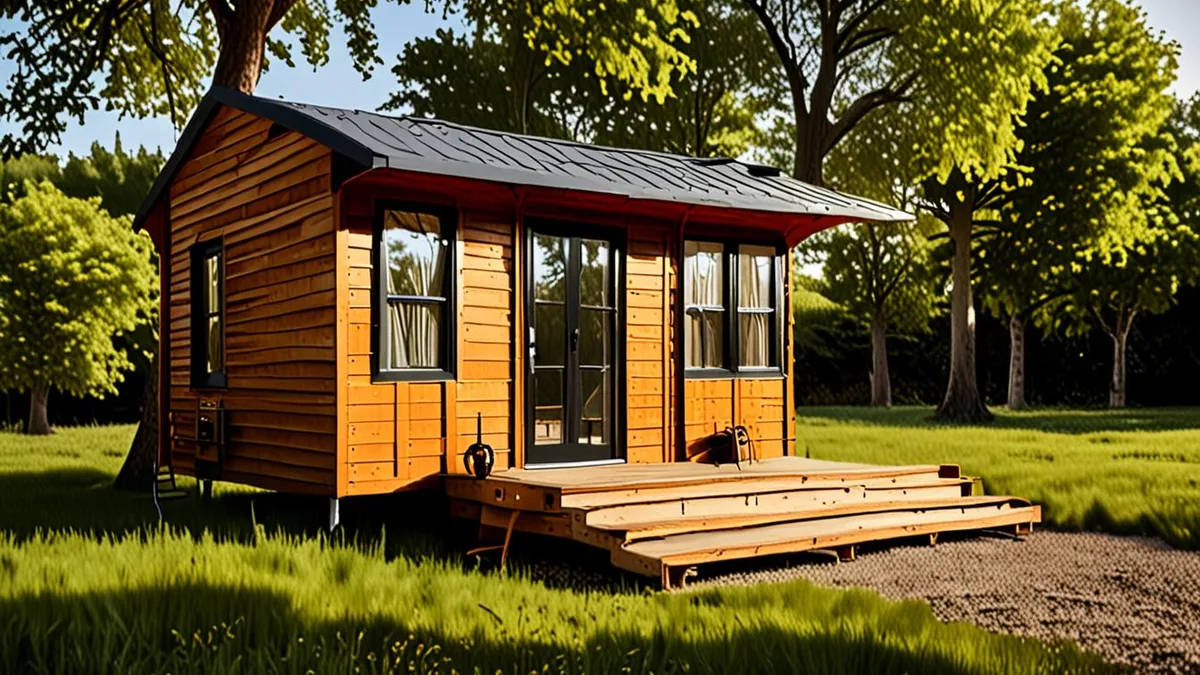
Not every glamping unit gets the same access to power, and the differences line up neatly with how the units are built. Soft-sided structures and elevated builds are the ones to scrutinize, while solid-walled units are usually the safest bet.
Tents: charging yes, heating usually no
Bell tents and safari tents typically get a single porch socket. That’s ideal for charging phones and cameras and running LED lighting, but it’s rarely enough to run a heater safely — the supply and the socket placement both work against it. If warmth matters on your trip, plan on good bedding and layers rather than electric heat in a tent, and treat any porch socket as a convenience rather than a heating solution.
Pods, cabins, yurts and treehouses
When it comes to solid-walled stays, pods and cabins are the strongest bet for a proper internal socket, which makes a small heater a realistic option and gives the whole stay a feel closer to a small cabin rental. Yurts and treehouses are the wildcard: some have no hook-up at all and rely on solar lights instead, which is atmospheric but means no charging and no powered heating. If you’re torn between the two, our guide to choosing between a yurt and a treehouse goes deeper on how these stays compare. Whichever you pick, verify the power situation with the host before booking rather than assuming — the words “off-grid retreat” in a listing are often a clue that there’s no hook-up at all.
What Electric Hook-Up Costs and When to Book
Powered glamping units rarely come free. Most sites charge a premium of around €5-15 per night for a unit or pitch with electric hook-up compared with an unpowered equivalent of the same size and style. That might not sound like much on its own, but over a week-long stay it can add up to the cost of an extra night, so it is worth deciding whether you will genuinely use the power or just like the idea of it.
Supply is also more limited than demand, especially in high summer. Powered units are consistently the first to sell out on any given site, because most travelers would rather have the socket and not need it than shiver without one. If your trip falls in July or August, or overlaps a school holiday week or public holiday, plan to book your powered unit 2-4 months ahead. Leaving it later usually means choosing between paying for an upgrade you did not want or going without power entirely. Our guide on how to book glamping in peak season covers the timing in more detail.
The sweet spot for price and choice
If your dates are flexible, aim for the shoulder months. May-June and September typically offer the widest selection of powered units at the lowest prices of the year: the weather is still pleasant in most regions, sites are not yet full, and hosts are more willing to hold a powered pitch for you. You get the same socket, the same heater-friendly nights and often a quieter site, simply by shifting your dates a few weeks either side of peak season.
Practical Gear and Safety for a Powered Glamping Stay
Arriving with the right gear is the difference between a powered pitch that works and one that frustrates you. Even if the site provides a socket, the cable between that socket and your gear is usually your responsibility, and a short indoor extension lead will not reach a pitch post several meters from your tent door.
The single most useful purchase is a proper hook-up cable. Aim for one that is at least 25 m long and rated for outdoor use, so it can run from a post at the edge of the pitch to your unit without stretching across someone else’s space. If you are traveling in mainland Europe, pack a continental adapter too, since socket types vary between countries and a UK-style plug will not fit a French or German outlet.
What to pack for a powered stay
- A 500-750 W low-wattage travel heater: standard 6-10 amp hook-ups trip easily, and a small heater sized for that supply keeps a tent warm without cutting the power to the whole row of pitches.
- A short four-way extension block: one is handy for splitting a single porch socket between chargers, but use only one, plugged directly into the hook-up point.
- A cable tidy or hook: lifting the cable off the ground keeps it out of puddles and away from feet on dark walkways between the shower block and your tent.
- A small torch or headlamp: pitch posts and outdoor sockets are hard to find on arrival after dark, and fumbling for a socket is much easier with hands free.
On site, keep cables dry and routed away from walkways, and never daisy-chain extension leads into one another. Stacked leads are the fastest way to overload a shared pitch post and plunge your neighbors into darkness along with you.
When a Glamping Site With Electric Hook-Up Matters Most
Electric hook-up is nice to have on a warm summer night, but on some trips it edges closer to essential. The clearest example is the shoulder season. In spring and autumn, daytime hiking can be glorious while nights drop to 5-10 °C, which is cold enough to make a thin tent wall feel personal. A small electric heater running off the hook-up takes the edge off those evenings and makes getting dressed in the morning far less heroic.
Colder regions, bigger difference
Location matters as much as season. Shoulder-season sites in cooler regions, such as the Alps or the Scottish Highlands, lean on powered heating far more than summer Mediterranean sites, where the socket mainly serves phone chargers and a fan. If you are glamping in Scotland in May or the Alps in late September, treat hook-up as a near-must when filtering your search, and confirm the heater situation with the host before you pay.
Families with young children
Parents of toddlers have their own reasons to prioritize power. A socket means a bottle warmer at 5 a.m., a soft night light that stays on until morning, and a reliable charge for the baby monitor that would otherwise die halfway through the first night. Add phone and tablet charging for the adults, and a powered unit often pays for its small nightly premium within a single stay. For these trips, book the powered option early and treat the unpowered version as the backup, not the other way around.
Choosing Your Powered Glamping Stay With Confidence
Vague wording in glamping listings leaves many travelers guessing about power, so take the uncertainty out of the equation before you pay. Confirm the hook-up type, the ampage and the socket location directly with the host. A short, two-line message asking “is the socket inside the unit or on a shared post, and how many amps?” resolves most doubts in one exchange.
Once you know what you are getting, budget for the premium a powered unit carries over an unpowered one, and if you are traveling in peak season, reserve early, since powered units tend to be the first to sell out. Then pack the right gear: a suitable outdoor-rated cable and low-wattage appliances that match the supply rather than tripping it. If this guide helped you sort out your next powered stay, leave a comment or share it with a fellow traveler.